






An Ambitious New Target
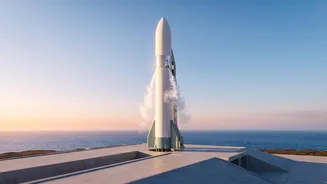
On August 20, 2026, President Donald Trump signed a new National Space Transportation Policy, a memorandum with a clear and ambitious goal: enable the United States to support more than 1,000 rocket launches and re-entries annually by 2030. This represents
a monumental leap from the 178 orbital launches recorded in 2025 and an 800% increase since 2015. The policy aims to transform spaceflight from an occasional spectacle into a routine part of America's economic and national security infrastructure, envisioning a cadence of nearly three launches per day. The directive replaces the previous national space transportation policy, which was established in 2013.
Cutting Through the Red Tape
At the heart of the new policy is a push to slash the regulatory hurdles that commercial rocket operators face. Currently, securing a launch license from the Federal Aviation Administration (FAA) can be a protracted affair. While the FAA has a 180-day window to review a completed application, the preparation and overlapping federal environmental reviews can stretch the process to as long as three years for a new vehicle or operator. The new memo directs federal agencies to expedite permitting and, most significantly, environmental reviews. This follows earlier moves by the administration, including a July 2026 FAA proposal to waive requirements under 13 different federal environmental statutes, such as the National Environmental Policy Act (NEPA) and the Endangered Species Act, for certain commercial space licenses.
Infrastructure and Industry Impact
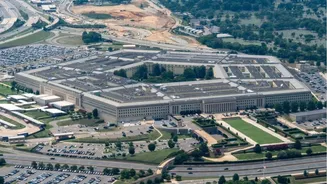
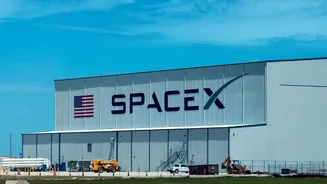
Achieving such a high launch tempo requires more than just faster paperwork; it requires a major expansion of physical infrastructure. The policy directs the Department of Defense and NASA to identify federal lands for new commercial launch and re-entry sites. It also calls for the co-development of this infrastructure through public-private partnerships, allowing the very companies that will use the sites to invest in their creation. For commercial giants like SpaceX, which already dominates the U.S. launch market, this policy could be a significant boon, clearing the way for the company's ambitious plans to increase its launch cadence even further. The memo also instructs transportation and communication agencies to integrate space traffic into air traffic control systems and ensure enough radio frequency spectrum is available for the surge in operations.
The Debate: Innovation vs. Regulation
Proponents of the policy, including Transportation Secretary Sean P. Duffy, argue that getting "government red tape out of the way" is essential for the U.S. to maintain its competitive edge against global rivals like China and re-establish its dominance in space. They contend that the current, cumbersome process stifles innovation, increases costs, and can drive space companies to launch from other nations. However, the push to gut environmental reviews has sparked alarm among conservation groups. Critics worry that waiving laws like the Clean Water Act and the Endangered Species Act could cause irreparable harm to sensitive coastal ecosystems where launch sites are typically located. While the administration insists that rules essential for public health and safety will remain, the debate highlights the central tension in modern space policy: how to move fast and break things without breaking what can't be fixed.