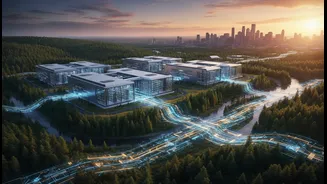








The Unprecedented Energy Demands of AI
The artificial intelligence revolution runs on electricity—vast amounts of it. Training and running advanced AI models are incredibly energy-intensive processes. A single AI-related task can consume up to 1,000 times more electricity than a simple web
search. This isn't a problem that can be solved by simply plugging more servers into the wall. According to Gartner, global data center electricity consumption is projected to grow 26% in 2026 alone, with AI-optimized servers being the primary driver. By 2027, these AI servers are expected to consume more power than all conventional data center hardware combined. This surge is creating a bottleneck; the tech industry's growth is no longer limited by computing power, but by access to electrical power.
Why the Public Grid Is Not Enough
Existing power grids were not designed to handle the concentrated, massive energy loads required by modern AI data centers. A single hyperscale AI campus can now demand over 750 megawatts of power, rivaling the consumption of a small city. This level of demand can destabilize regional grids, and utility companies often cannot build new capacity fast enough to keep pace. For tech giants like Meta, waiting for the grid to catch up is not a viable option. The race for AI dominance is happening now, and a lack of secure, reliable power directly translates to a loss of competitive advantage. This has forced a strategic pivot across the industry, turning the search for available megawatts into the top priority for expansion.
Meta's Solution: Building Its Own Power
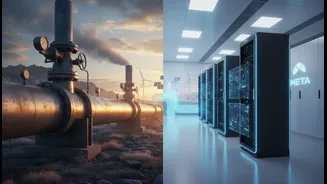
Faced with this energy bottleneck, Meta is taking a radical step: it's directly funding the power generation infrastructure needed for its massive AI data centers. In Louisiana, the company is financing the construction of ten natural gas power plants to support its Hyperion AI campus. This single project will deliver 7.5 gigawatts of capacity, enough to power over 5 million homes, and represents a more than 30% increase to the state's entire grid capacity. Similarly, for its new C$13 billion data center in Alberta, Canada, Meta is funding a dedicated natural gas-fired power plant to meet the facility's 1-gigawatt demand, a necessity since the local grid cannot support it. This move effectively turns Meta into a quasi-utility, making power generation a core competency rather than a procurement issue.
A Diversified and Future-Facing Energy Portfolio
While natural gas provides the immediate, reliable baseload power Meta needs, the company is also investing heavily in a broader, more sustainable energy future. The agreements in Louisiana and Alberta include commitments to also fund renewable energy sources. More significantly, Meta is making huge strides in nuclear energy, securing deals with companies like Vistra, TerraPower, and Oklo that will support up to 6.6 gigawatts of new and existing nuclear power by 2035. These partnerships aim to power facilities like its Prometheus AI supercluster in Ohio. The company is even exploring futuristic solutions, partnering with Overview Energy to potentially bring space-based solar power to the grid and with Noon Energy on ultra-long-duration battery storage. This diversified strategy is designed to ensure a steady, reliable, and increasingly low-carbon energy supply for decades to come.