





The Aspirational Pantry Trap
Many of us are guilty of 'aspirational shopping'—buying ingredients for a phantom version of ourselves who bakes artisanal bread or masters complex regional cuisines on a Tuesday night. We see an exotic spice or a rare lentil and imagine the possibilities,
only for it to gather dust. This isn't just a personal failing; it's a recognised psychological pattern. We often overestimate the variety we truly desire, falling back on familiar routines for comfort and convenience. This gap between the fantasy and reality of our eating habits is a primary driver of household food waste. Studies show that a significant portion of food waste comes from households, often stemming from over-purchasing and forgotten items. A pantry filled with ingredients you don’t know how to use becomes a source of guilt and decision fatigue, making cooking feel more like a chore than a joy.
Conduct a Ruthless Pantry Audit
The first step towards a functional pantry is an honest audit. Pull everything out. Be ruthless. If a spice has been there for over a year, it has likely lost its potency. If you have three half-empty bags of the same flour, combine them. Create three piles: Keep, Donate, and Toss. 'Keep' is for items you use regularly. 'Donate' is for non-perishable, unexpired food you bought with good intentions but will never use. 'Toss' is for anything expired or stale. This process isn't just about cleaning; it's about learning. Notice what you’re throwing away. Is it that bag of expensive black rice? The saffron you used once? This is data. It’s evidence of your actual cooking habits, and it is the key to building a smarter pantry moving forward.
Build Your Personal Core Inventory
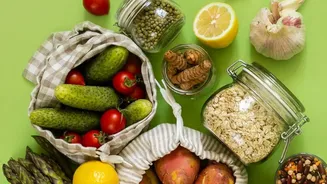
A well-stocked pantry is not about having everything; it's about having your everything. Based on your audit, identify the 20-30 core ingredients that form the backbone of your cooking. For many Indian households, this list is surprisingly consistent. It will likely include staples like toor dal, moong dal, basmati rice, and whole wheat atta. Your core oils might be ghee and mustard oil or a neutral vegetable oil. Essential spices often boil down to mustard seeds, cumin seeds, turmeric, red chilli powder, and coriander powder. Ready-made ginger-garlic paste is another practical staple for saving time. This is your personalised foundation. These are the items you should always have on hand, the workhorses of your kitchen that allow you to whip up a meal without a last-minute grocery run. Once you have this list, you can shop with purpose.
Zone Your Pantry for Success
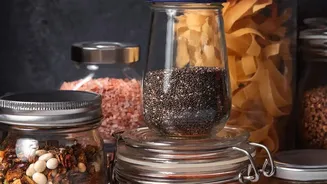
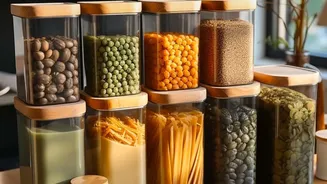
Organisation is crucial for maintaining your newly curated pantry. Chefs don't just have clean pantries; they have systems. One popular method is 'zoning,' where you create mini-departments for different categories. Group all your dals and legumes in one area, your grains in another, and your oils and vinegars together. Create a dedicated zone for baking supplies, and another for weeknight dinner helpers like canned tomatoes and coconut milk. This not only makes ingredients easy to find but also shows you at a glance what you're running low on. Another professional tip is to practice 'FIFO'—First In, First Out. When you buy a new bag of rice, place it behind the one you're currently using. This simple rotation ensures you use up older items first, drastically cutting down on waste from expired goods.
Explore with a 'Plus-One' Rule
A functional pantry doesn't mean a boring one. The goal isn't to stop exploring new flavours, but to do so intentionally. Adopt a 'plus-one' rule: on each grocery trip, allow yourself to buy one new or interesting ingredient that you've been wanting to try. Just one. This prevents you from overwhelming your pantry with a dozen aspirational items at once. When you bring it home, make a specific plan to use it that week. This simple rule satisfies the natural desire for variety without cluttering your cupboards or your mind. It transforms experimentation from a source of future waste into a manageable and exciting part of your cooking routine, encouraging you to integrate new tastes with the core ingredients you already know and love.