






The Challenge of Idle Gold
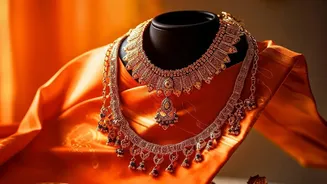
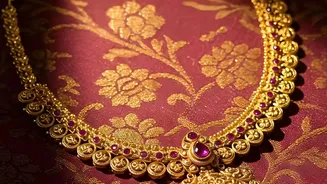
India has a deep cultural and financial connection to gold. It is a symbol of wealth, a staple of weddings and festivals, and a trusted store of value for millions. Estimates suggest that Indian households and temples hold somewhere between 25,000 and 30,000
tonnes of gold, much of it sitting idle in lockers and safes. While this represents immense private wealth, it is largely unproductive from a national economic perspective. To meet the fresh demand from consumers and the jewellery industry, India relies heavily on imports. In the 2026 financial year, the country’s gold import bill soared to nearly $72 billion. This puts significant pressure on the country's foreign exchange reserves and contributes to the current account deficit. The core challenge for policymakers has been to find a way to tap into the vast domestic reserves and reduce this dependency on foreign gold.
The Original Gold Monetisation Scheme
In 2015, the government launched the Gold Monetisation Scheme (GMS) with a clear objective: to encourage people to deposit their physical gold with banks and earn interest on it. The idea was to treat gold like any other financial asset. A person could deposit their old jewellery, bars, or coins, and after testing and refining, the equivalent value in pure gold would be credited to a special bank account. In theory, this would allow idle gold to enter the formal financial system, where it could be loaned to jewellers, reducing the need for imports. However, the scheme never gained significant traction. In over a decade, it has only managed to mobilise around 39 tonnes of gold—a tiny fraction of the country's total holdings.
Why the Bank-Led Model Stalled
The scheme's limited success is largely attributed to its bank-led structure. For generations, the family jeweller has been the primary point of contact for all things gold, not a bank branch. Many households were hesitant to part with sentimental family jewellery and hand it over to a bank for melting. The process was often seen as cumbersome, involving purity tests, complicated documentation, and visits to specific collection centres. Perhaps the biggest obstacle was a lack of trust and the fear of scrutiny from tax authorities once their privately held gold entered the formal financial system. The emotional connection to physical gold, combined with these practical and psychological barriers, meant most people preferred to keep their assets in their own possession.
The New Proposal: Enter the Jeweller
To address these shortcomings, the government is now seriously considering a revamped GMS that brings local jewellers into the fold. Under the proposal, put forward by industry bodies like the India Bullion and Jewellers Association (IBJA), jewellers would act as collection partners or agents. Instead of going to a bank, a customer could take their gold to their trusted local jeweller. The jeweller would handle the initial collection and verification before sending the gold to a refiner. For their services, they would earn a commission, proposed to be in the range of 0.75% to 1% of the value of the gold they collect. This shift acknowledges the central role jewellers play in India's gold ecosystem and leverages their existing customer relationships.
Potential Benefits and Hurdles
If implemented, this new model could offer a win-win situation. Consumers would have a more convenient and familiar channel to earn interest on an otherwise dormant asset. Jewellers would gain a new stream of revenue and strengthen customer relationships. For the nation, mobilising even a small percentage of household gold could significantly reduce the import bill and provide a domestic source of bullion for the jewellery industry. However, significant hurdles remain. The fundamental issue of trust—particularly concerns about potential tax inquiries—will not disappear overnight. The success of a revamped GMS will depend not just on operational convenience but on building confidence among the public that participating in the scheme is both safe and beneficial.