







1. Welcoming Bappa Home Together
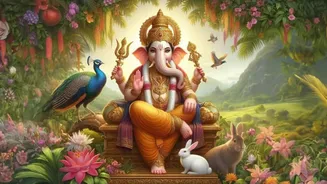
The festival begins with the collective decision of bringing the Ganesha idol home. Families often visit artisans together to select their 'Bappa'. This shared journey, filled with anticipation and excitement, marks the first step of the celebration.
The ceremonial entrance, where a family member performs a small ritual at the doorway, is a moment of unified welcome, setting a tone of shared devotion for the days to come.
2. Decorating the Mandap as a Team
Once the idol is home, the entire family comes together to create a beautiful space for it. This 'mandap' or small stage is decorated with flowers, lights, and colourful fabrics. This activity becomes a creative outlet where everyone, from elders to children, contributes. Kids might make paper garlands while adults handle the floral arrangements, transforming a corner of the house into a sacred, beautiful space through teamwork.
3. Making Modaks and Festive Foods
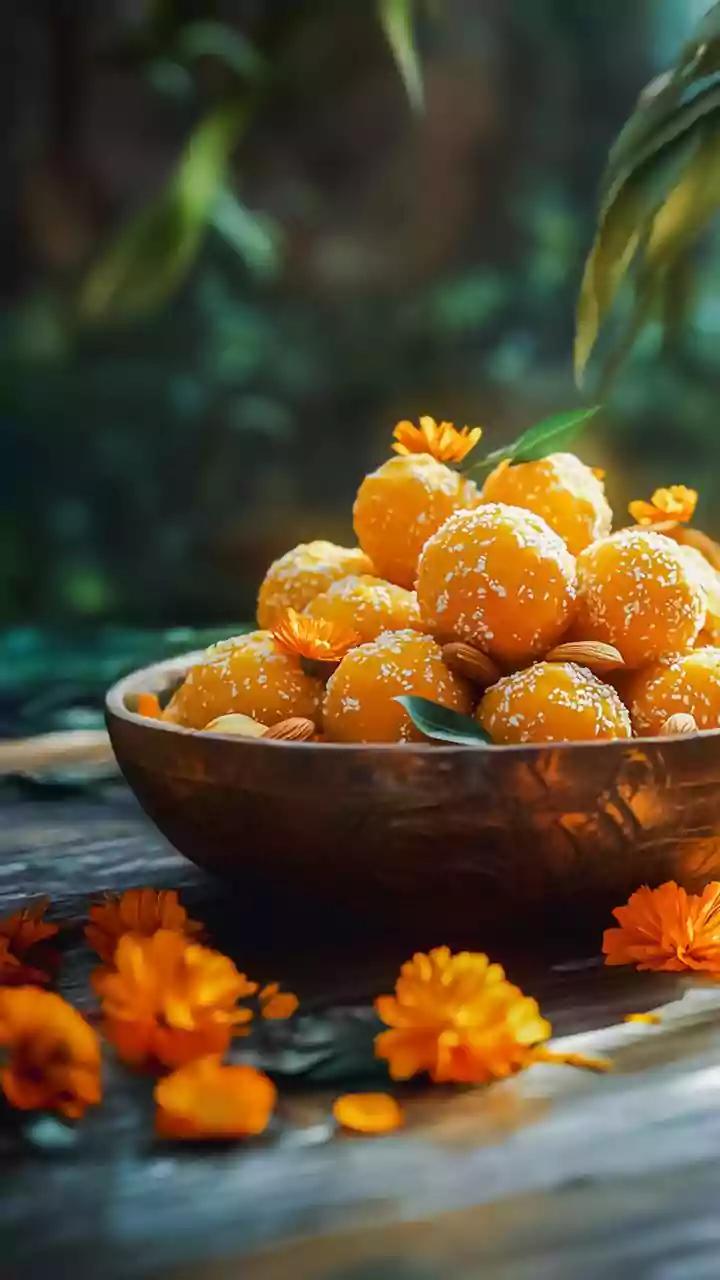
The kitchen truly becomes the heart of the home during Ganesh Chaturthi. Making modaks, Ganesha's favourite sweet, is a cherished family activity. Grandmothers pass down recipes to younger generations, and little hands learn to shape the delicate dumplings. The process of cooking together—preparing the sweet coconut-jaggery filling and steaming the rice-flour shells—fills the home with festive aromas and strengthens bonds through shared work and laughter.
4. The First Pran Pratishtha and Aarti
The 'Pran Pratishtha' is the ritual that invokes the divine presence into the idol. This is a deeply significant moment when the family gathers for the very first prayer. Conducting the first aarti, or waving of lamps, together creates a powerful sense of unity and shared purpose. The synchronized singing and ringing of bells establish a daily rhythm of devotion that the family will follow throughout the festival.
5. Daily Morning and Evening Prayers
For the duration of the festival, which can last from a day and a half to ten days, families commit to gathering for morning and evening aartis. This consistent routine provides a peaceful pause from daily life, allowing everyone to connect with each other and their faith. It becomes a non-negotiable time for togetherness, where stories are shared and children learn the hymns and rituals from their elders.
6. Hosting Relatives and Friends
Ganesh Chaturthi is a time of open doors and warm hospitality. Families invite relatives, friends, and neighbours for 'darshan' (viewing the idol) and to share 'prasad' (blessed food offerings). These visits are not just social calls; they are a way to share blessings and strengthen community ties. The house buzzes with conversation and festive cheer, reinforcing the idea of the festival as a communal celebration.
7. Storytelling for the Next Generation
The festival provides a natural opportunity for elders to pass down cultural knowledge. Grandparents and parents often gather the children to share stories about Lord Ganesha—his birth, his wisdom, and his playful exploits. This oral tradition is crucial for keeping the cultural and religious significance of the festival alive. It connects the younger generation to their heritage in an engaging and memorable way.
8. Dressing in Traditional Attire
The simple act of dressing up in traditional clothes adds to the collective festive spirit. When the entire family coordinates in their finest ethnic wear, it creates a visual sense of unity and celebration. It’s a way of showing respect for the occasion and each other, making family portraits from this time particularly special and reinforcing a shared cultural identity.
9. Singing Bhajans Together
Beyond the formal aarti, many families spend evenings singing bhajans or devotional songs. This doesn't require professional skill; it’s about the collective voice of devotion. Music has a unique way of uniting people emotionally. These sessions, filled with melody and rhythm, create a joyful and spiritually charged atmosphere that everyone contributes to and enjoys together.
10. The Bittersweet Visarjan Procession
The festival culminates in 'visarjan', the immersion of the idol in a body of water. This final procession is a deeply emotional and collective experience. The family journeys together, singing and chanting, to bid farewell to their beloved deity with the promise of welcoming him back next year. This shared act of letting go, though bittersweet, symbolizes the cycle of life and brings a poignant closure to the festivities, reinforcing family support and unity.