





The climate crisis is often called a shared global challenge, but a new report from Oxfam paints a starkly different picture. It reveals a deep and widening chasm between who is causing the crisis and who is paying the ultimate price.
The Carbon Super-Emitters
According to Oxfam's
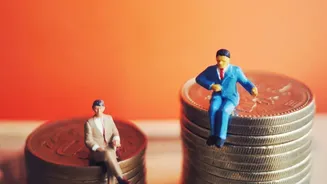
'Climate Equality' and 'Disaster Divide' reports, the world's wealthiest are disproportionately fuelling climate breakdown. The emissions from the richest 1% of humanity are equivalent to the emissions of the poorest two-thirds of the global population, roughly five billion people. In fact, since the 1990s, the richest 1% have used up twice as much carbon as the entire bottom half of humanity. It would take someone in the bottom 99% around 1,500 years to produce as much carbon as the richest billionaires do in a single year. This isn't just a marginal difference; it's an entirely different scale of impact.
Lifestyles of the Rich and Polluting
This massive carbon footprint stems from the consumption habits and investments of the 'polluter elite'. This includes the use of private jets, superyachts, and multiple mansions, all of which have an enormous energy toll. For instance, private jet travel, used almost exclusively by the ultra-wealthy, is a potent symbol of this inequality. Beyond personal consumption, the investments of the super-rich are a major driver of emissions. Their capital continues to finance fossil fuel industries and other polluting sectors, locking in a high-carbon global economy from which they profit.
Paying the Price for Others' Emissions
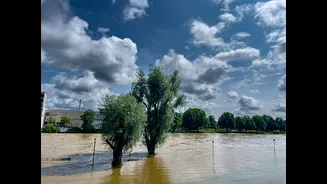
The devastating irony is that the people least responsible for the climate crisis are bearing its most severe consequences. Over 91% of deaths caused by climate-related disasters in the last 50 years have occurred in developing countries. Communities in the Global South, marginalised groups, and women are on the sharp end of the floods, droughts, and heatwaves intensified by rising emissions. Oxfam's analysis found that deaths from floods are seven times higher in more unequal countries compared to more equal ones. While the wealthy can afford to protect themselves with private insurance, safer homes, and even by relocating, the poor are left with destroyed livelihoods and dwindling resources to recover.
Profiting from Disaster
A more recent and disturbing finding from Oxfam highlights that the super_rich are not only causing the crisis but are also profiting from its aftermath. There is a booming 'adaptation economy', where services for disaster preparedness, recovery, and reconstruction are sold to a warming world. This market is projected to grow significantly, creating what Oxfam calls a 'double dividend' for the wealthy, who profit from polluting industries and then again from the cleanup. Major investment firms like BlackRock and Vanguard are heavily invested in corporations that both fuel climate change and profit from disaster recovery.
A Call for Climate Justice
In response to these findings, Oxfam argues that tackling the climate crisis is impossible without also tackling extreme inequality. The organisation is calling on governments to implement a series of common-'sense' taxes on extreme wealth and polluting corporations. They calculate that a '60%' tax on the incomes of the richest '1%' could raise trillions of dollars annually. This revenue could be used to fund a global transition to renewable energy and support vulnerable communities in adapting to the climate impacts they are already facing, creating a more equal and sustainable future for the '99%'.