







A Culinary Mission in Orbit
While the world watched the launch of the Axiom-4 (Ax-4) mission, a quieter, but equally important, experiment was taking place inside the spacecraft. Tucked among the high-tech equipment were three Indian food packages, the result of meticulous work
by scientists at the Defence Research and Development Organisation (DRDO). This wasn't just about sending a meal into orbit; it was a critical, real-world test for India's upcoming Gaganyaan human spaceflight mission. By piggybacking on the Ax-4 commercial flight, DRDO’s food science team seized a golden opportunity to see how their culinary creations would perform in the challenging environment of microgravity before they are served to Indian astronauts.
What Was on the Menu?
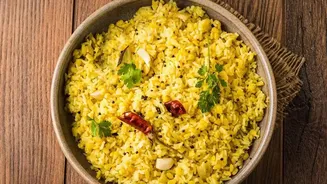
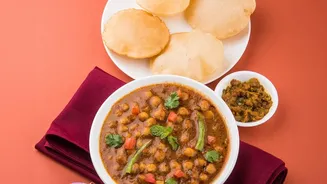
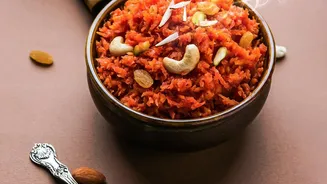
The menu for this celestial taste test was a carefully curated selection designed to balance nutrition, taste, and the practicalities of space travel. The three dishes sent aboard Ax-4 were reportedly a savoury Vegetable Pulao, a comforting Moong Dal Halwa, and a flavourful vegetable korma. These choices weren't random. They represent a cross-section of Indian flavours and textures, allowing scientists to gather broad feedback. Prepared by the Mysuru-based Defence Food Research Laboratory (DFRL), a specialist DRDO lab, each dish was created to provide a taste of home. The goal is to ensure that when Indian astronauts are circling the Earth, they have access to familiar foods that do more than just provide calories—they provide a psychological boost and a connection to their culture.
The Science of Space Food
Making food fit for space is a complex scientific challenge. The dishes developed by DFRL undergo a process called retort technology, a form of heat sterilisation that ensures the food can last for over a year without refrigeration while retaining most of its nutritional value and taste. The food is packed in specially designed, multi-layered pouches that are easy to store and use. For the Gaganyaan mission, the primary challenge is to ensure the food remains stable, is easy to rehydrate or heat, and doesn't crumble, as floating crumbs can pose a serious hazard to spacecraft equipment. This Ax-4 test was designed to validate all these aspects, from the integrity of the packaging to the texture and palatability of the food after its journey into orbit.
Crucial Lessons for Gaganyaan
The feedback from the Axiom-4 crew is the most valuable takeaway from this experiment. DRDO's team is looking for answers to several key questions. How did the taste and texture hold up in microgravity, where astronauts often experience a diminished sense of taste? Was the rehydration process simple and effective? Did the food provide the expected satisfaction and comfort? This data is invaluable. It helps the DFRL team fine-tune recipes, improve packaging, and perfect the heating instructions. For a mission like Gaganyaan, where crew morale and well-being are paramount to success, getting the food right is not a luxury—it's a mission-critical requirement. A positive review from the professional Ax-4 astronauts serves as a major vote of confidence in DRDO's preparations.
A Glimpse into the Future
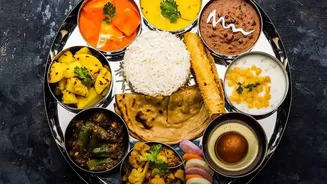
This three-dish trial is just an appetiser for the full menu being planned for India's astronauts. DFRL has already developed a diverse menu of around 30 items, including favourites like Idli-Sambar, Upma, Shahi Paneer, and various chutneys. The plan is to offer a rotating menu that provides variety and balanced nutrition for the duration of the mission. This culinary self-reliance aligns perfectly with the 'Atmanirbhar Bharat' spirit of the Gaganyaan program. From the launch vehicle to the crew module and now the food, India is systematically building its own capabilities for human spaceflight. This successful food test marks another crucial box ticked on the long checklist for sending Indians to space.