






The Real Culprit: Altitude Sickness
Before we get into planning, it’s crucial to understand what we're trying to avoid: altitude sickness, or Acute Mountain Sickness (AMS). When you ascend too quickly, your body struggles to adjust to the lower oxygen levels in the atmosphere. Symptoms
can range from a persistent headache and nausea to more severe, life-threatening conditions like High-Altitude Pulmonary Edema (HAPE) and High-Altitude Cerebral Edema (HACE). Crucially, your physical fitness at sea level has little to do with whether you will be affected. The primary factors are the altitude you reach and, most importantly, how quickly you get there. This is why a slow, deliberate ascent is paramount for prevention.
The Golden Rule: 'Climb High, Sleep Low'
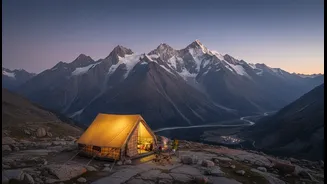
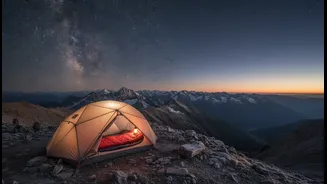
Experienced mountaineers live by a simple maxim: "Climb high, sleep low." This principle is the cornerstone of effective acclimatization. The idea is to expose your body to a higher altitude during the day's activity, which stimulates adaptation, and then descend to a lower elevation to sleep. This gives your body a chance to recover and adjust in a less stressful, more oxygen-rich environment overnight. Your body does its most important adaptation work—like producing more red blood cells and adjusting breathing patterns—while at rest. Sleeping at a lower altitude provides the necessary downtime for these physiological changes to occur, significantly reducing the risk of AMS.
Why Night-time Altitude Matters Most
During sleep, your respiratory drive naturally decreases, meaning you breathe less deeply and frequently. At high altitude, this can worsen the effects of low oxygen, leading to disturbed sleep and poor recovery. Many people experience a form of periodic breathing, where breathing becomes shallow or even stops for a few seconds, causing them to wake up suddenly. This is why pushing your sleeping altitude too high, too fast, is so risky. It puts sustained stress on your system when it's most vulnerable. By descending to sleep, you allow for better oxygen saturation overnight, leading to more restful sleep and more effective acclimatization. This is the key difference between a trekker who feels strong and one who struggles with persistent symptoms.
Practical Rules for a Safe Itinerary
So, how do you apply this to your travel plans? The guidelines are quite clear. Once you are above 2,500-3,000 metres (about 8,200-10,000 feet), you should not increase your sleeping altitude by more than 300-500 metres (1,000-1,600 feet) per night. Furthermore, it is recommended to build in a rest day—where you stay at the same sleeping altitude for an extra night—for every 1,000 metres (about 3,300 feet) you gain in elevation. A perfect acclimatization day involves a hike to a higher point before returning to your camp for the night. It’s also vital to stay hydrated by drinking plenty of water, as fluid loss increases at altitude, and to avoid alcohol, which can worsen symptoms.
Listen to Your Body Above All Else
While these rules are excellent guidelines, individual responses to altitude vary greatly. The most important rule is to listen to your body. If you or someone in your group starts showing symptoms of moderate altitude sickness, do not ascend any higher. Rest at your current altitude until the symptoms subside. If they worsen, the only effective treatment is to descend to a lower elevation immediately. Pushing through symptoms is dangerous and can turn a manageable situation into a medical emergency. A well-planned itinerary should always have the flexibility to allow for extra rest days or a change of plan if someone is not acclimatizing well.