



What Are E10 and E20 Fuels?
At its core, the number in ethanol-blended petrol refers to the percentage of ethanol mixed with gasoline. E10 fuel is a blend of 10% ethanol and 90% petrol. This has been widely available across India for several years as part of the government's Ethanol
Blended Petrol (EBP) programme. The goals are to reduce the country's reliance on imported crude oil, lower carbon emissions, and provide an additional income stream for farmers who grow crops like sugarcane and maize used to produce ethanol. More recently, the focus has shifted to E20, a blend with 20% ethanol, which is being rolled out nationwide as the new standard petrol. This accelerated push has brought the compatibility of the existing vehicle fleet, especially older models, into sharp focus.
The Heart of the Compatibility Problem
The main concern with higher ethanol blends stems from the chemical properties of ethanol itself. Firstly, ethanol is hygroscopic, meaning it absorbs moisture from the air. This water can lead to corrosion inside metal fuel tanks, fuel lines, and carburettors, particularly in older vehicles that were not designed with this in mind. Secondly, ethanol can be corrosive to certain materials. Over time, it can degrade rubber and plastic components like fuel hoses, seals, and gaskets. In a vehicle not designed for it, this can cause these parts to become brittle, crack, or swell, potentially leading to dangerous fuel leaks and engine performance issues. While modern vehicles are built with ethanol-compatible materials, older ones often are not.
Which Vehicles Are Most at Risk?
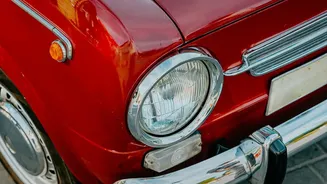
Determining if a vehicle is at risk isn't always straightforward, but the manufacturing year is a strong indicator. As a general rule, vehicles manufactured before 2010 are most likely to face issues. Many cars made before 2012 were typically designed for E5 or E10 fuel at most. Vehicles with older, carburetted fuel systems are considered more vulnerable than modern fuel-injected engines because their components are often made from materials susceptible to ethanol's effects. In the Indian context, most cars and bikes manufactured before the implementation of BS4 emission norms fall into this higher-risk category. In contrast, vehicles manufactured after April 2023 are mandated to be fully compatible with E20 fuel, as they are built to comply with the latest BS6 Phase 2 norms which account for the higher ethanol blend.
How to Check Your Vehicle's Compatibility
If you're unsure about your vehicle, there are several ways to check its compatibility. The simplest method is to check for a sticker inside the fuel filler flap; modern cars clearly label the recommended fuel type (e.g., 'E10 Only' or 'E20 Compatible'). The next best source is your vehicle's owner's manual, which should specify the approved fuel blends. If you don't have the manual, visit the manufacturer's official Indian website. Many brands have published lists or advisories regarding ethanol compatibility for their models. You can also contact an authorised service centre with your Vehicle Identification Number (VIN) for definitive information. Ignoring these checks could lead to avoidable maintenance issues down the line.
Warning Signs and Protective Measures
For owners of non-compatible vehicles, it's important to watch for telltale signs of trouble. These can include difficulty starting the engine, rough idling, a noticeable drop in fuel efficiency, or the smell of petrol around the car, which could indicate a leak. If you notice any of these symptoms, it is best to have your vehicle inspected by a trusted mechanic. While official studies suggest E20 is safe for most legacy vehicles with only minor impacts, widespread user complaints have led to discussions about reintroducing E10 as a choice, possibly as a premium fuel, to allay public concerns. For now, the best defence for owners of older vehicles is regular inspection of fuel lines and rubber parts, especially during routine servicing, to catch any degradation early.