



An Eye in the Sky with Too Much to See
The search begins with data from NASA's Transiting Exoplanet Survey Satellite, or TESS. While TESS's main job is to find planets outside our solar system, it does so by constantly monitoring the brightness of millions of stars. This firehose of information
is a treasure trove for all kinds of astronomical research. The problem is the sheer volume of data; it's far too much for professional astronomers to sift through alone. Automated algorithms can help, but they often get confused by the messy reality of space, like stellar flares or the natural pulsation of stars, leading to false positives. This is where the need for human intuition becomes critical.
Calling All Black Hole Hunters
Enter the 'Black Hole Hunters' project, a citizen science initiative hosted on the Zooniverse platform. The project invites anyone with a computer and an interest in space to help astronomers find 'missing' black holes in our Milky Way galaxy. It’s estimated that there could be over 10 million black holes in our galaxy, but only a small fraction have been identified. This project aims to close that gap by distributing the monumental task of data analysis to thousands of volunteers. No expertise in astrophysics is required; the project provides examples and guidance on what to look for.
Spotting the Invisible
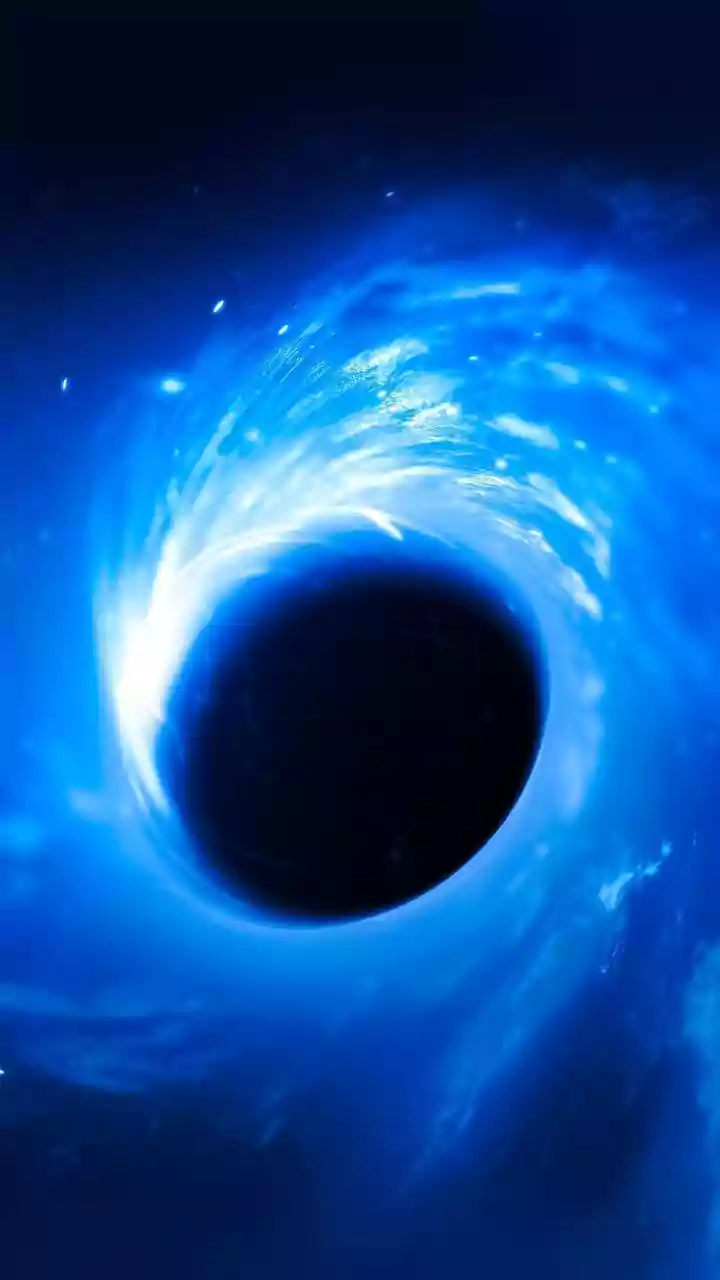
So, how does a volunteer spot an invisible object? Black holes can't be seen directly because their gravity is so strong that not even light can escape. However, their immense gravity can bend and magnify the light from a star that passes behind it, an effect called 'gravitational microlensing'. Volunteers are shown graphs of a star's brightness over time and are asked to spot a specific pattern: a gradual brightening and then dimming as the black hole's gravity acts like a cosmic lens. By identifying these unique light curves, citizen scientists can flag promising candidates that professional astronomers then investigate further with more powerful telescopes.
The Power of Public Collaboration
The success of projects like Black Hole Hunters highlights a major shift in scientific research. Citizen science is proving to be an invaluable tool across astronomy. Similar projects have led to the discovery of new planets, active asteroids, and different types of exploding stars. The 'Kilonova Seekers' project, for example, recently identified 20 new cosmic events with the help of over 2,000 volunteers. These collaborations don't just speed up discovery; they foster a deeper public connection to science and demonstrate that the human ability to recognize patterns remains a powerful and sometimes superior alternative to purely automated searches. Each graph is often reviewed by multiple volunteers to ensure accuracy and average out mistakes.