





A Global Alarm Bell
The first-ever State of the World's Migratory Species report, released by the UN Convention on the Conservation of Migratory Species (CMS), has painted a sobering picture of the health of our planet's travelling animals. The headline finding is that nearly
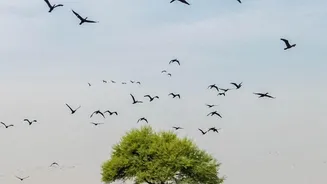
half (44 percent) of all CMS-listed migratory species are showing population declines, with more than one in five (22 percent) threatened with extinction. The situation has worsened in recent years, with an interim report noting that 49% of these species' populations are now decreasing. For birds specifically, the numbers are just as worrying. A comprehensive review found that 51% of migratory bird species are experiencing population declines, while nearly 300 are already globally threatened. This isn't just about losing rare species; even once-common birds are showing significant drops in their numbers, signalling a broad and systemic environmental problem.
The Human Factor: Why They Are Vanishing
The primary drivers of these declines are overwhelmingly human-caused. The two greatest threats identified across numerous reports are habitat loss and overexploitation. Wetlands are being drained for agriculture and urban expansion, forests are fragmented, and grasslands are converted for infrastructure projects. These natural spaces are not just scenery; they are critical refuelling stations for birds on epic journeys that can span thousands of kilometres. Losing even one key stopover site in a migratory flyway can have catastrophic consequences for an entire population, as birds may not have the energy to complete their journey. Beyond habitat loss, pollution from pesticides and plastics, collisions with buildings and wind turbines, and the overarching effects of climate change are creating a perilous gauntlet for these travellers. Climate change, in particular, disrupts the delicate timing of migration, affecting breeding, food availability, and survival rates.
The View from India
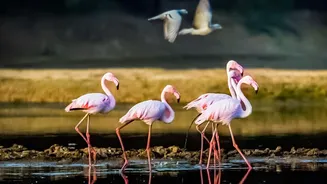
India sits at the heart of the crucial Central Asian Flyway (CAF), a superhighway for migratory birds travelling from their breeding grounds in the Arctic and Central Asia to their wintering homes in the subcontinent. This makes the global decline a pressing domestic issue. Reports confirm that long-distance migrants visiting India are declining faster than resident species. The State of India's Birds 2023 report found that about 60% of bird species in the country have declined over the long term. Species that were once common sights, like the Siberian Crane, have almost disappeared from their Indian wintering grounds. Key sites like the wetlands in Gujarat, Keoladeo National Park in Rajasthan, and Chilika Lake in Odisha are vital for these visitors, but they face threats from pollution, water degradation, and human disturbance. The decline is being felt on the ground, with recent waterbird censuses showing significant drops in numbers at crucial locations like the Yamuna wetlands in Delhi.
A Path to Recovery
Despite the grim statistics, the reports emphasize that declines are not inevitable. Conservation is proven to work when implemented effectively. In India, there are pockets of hope and dedicated action. The National Action Plan for the Conservation of Migratory Birds aims to protect habitats along the Central Asian Flyway. Community-led conservation has transformed places like Pangti village in Nagaland from a hunting ground for Amur Falcons into a celebrated success story in ecotourism. Similar efforts to protect Demoiselle Cranes in Rajasthan and restore habitats in Gujarat show the power of local involvement. Experts agree that reversing the trend requires a multi-pronged approach: strengthening international cooperation along flyways, expanding protected areas, tackling pollution, and integrating biodiversity considerations into all development and energy policies. Citizen science initiatives are also playing a crucial role in monitoring bird populations and providing the data needed to guide these conservation efforts.