



A Groundbreaking Vision in the Bayou
SpaceX is set to transform 125,000 acres of coastal land in Vermilion Parish into a sprawling campus named Starbase, Louisiana. Announced in late August 2026, this project represents one of the largest single economic development investments in the state's
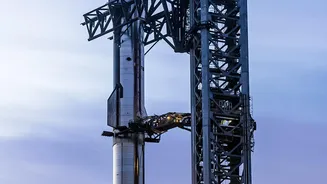
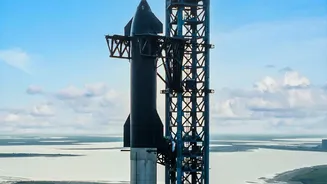
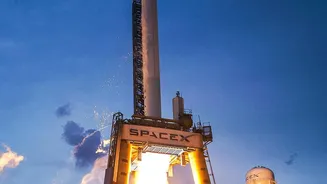
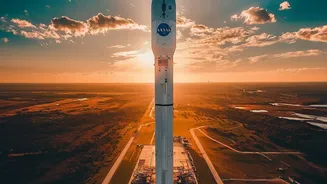
history. Unlike traditional launch sites that often rely on external supply chains, the Louisiana plan integrates every critical piece of the launch puzzle into one location. The vision is for a facility that can operate with unprecedented efficiency and scale, featuring five launch complexes with a total of ten launch pads, propellant farms, and vehicle processing buildings. Construction is scheduled to begin in 2027, with the first Starship launch from the site targeted for 2029.
Fueling the Future On-Site
A core component of the plan's self-sufficiency is a dedicated propellant production facility. SpaceX's massive Starship rocket is powered by Raptor engines, which consume liquid methane and liquid oxygen. A key advantage of the Louisiana location is its proximity to abundant natural gas reserves. The plan includes building a plant to convert this natural gas into the highly refined liquid methane needed for rocket fuel, effectively creating an on-site gas station for deep-space missions. This integration is crucial for achieving the high launch frequency SpaceX envisions, with CEO Elon Musk suggesting the site could eventually support thousands of flights per year. By controlling its own fuel supply, the company can avoid logistical bottlenecks and significantly reduce the turnaround time between launches.
An Expressway for Starship
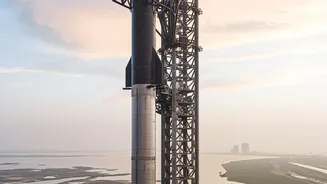
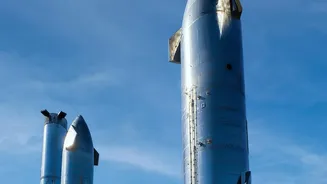
The primary purpose of Starbase, Louisiana is to serve as a high-throughput launch hub for Starship, the company's next-generation, fully reusable rocket. This vehicle is central to SpaceX's ambitions, including deploying larger Starlink satellite constellations, supporting NASA's Artemis moon missions, and ultimately enabling human settlement on Mars. To support this cadence, the site will feature immense infrastructure beyond the launch towers. Plans call for vehicle processing facilities, an airport, and deep-water shipping capabilities, which would allow massive Starship components to be transported by sea. The goal is to create a seamless production line, from manufacturing and processing to fueling and launching, all within a single campus.
Economic Boom and Environmental Scrutiny
For Louisiana, the project promises a massive economic transformation. Projections estimate the creation of 3,000 direct jobs with an average annual salary over $90,000, plus more than 8,000 indirect jobs throughout the Acadiana region. This influx of high-wage tech jobs could reshape the local economy. However, the project's location on fragile coastal wetlands, land formerly owned by ExxonMobil, has raised environmental concerns. In response, SpaceX has stated it will preserve large portions of the land as natural habitat and will help fund coastal restoration projects, including the creation of thousands of acres of new marshland. Balancing this industrial mega-project with the ecological needs of the Louisiana coast will be a critical challenge moving forward.