




What Are the New Proposed Rules?
The Food Safety and Standards Authority of India (FSSAI) has circulated a draft amendment aimed at a simple goal: ensuring the term 'paneer' is used only for products made from milk. According to the proposal, products that substitute milk fat or protein
with non-milk ingredients—like vegetable oils, starches, or plant proteins—cannot be legally named, labelled, or marketed as paneer. Businesses currently licensed to sell these under the 'Analogue in Dairy Context' category will have to remove the word 'paneer' from their packaging and menus entirely. The move is intended to prevent consumers from being misled about the composition and nature of the food they are purchasing. FSSAI has invited suggestions and objections from the public before finalising the regulation.
The Rise of 'Analogue' Paneer
So what are these products that look like paneer but aren't? They are called 'analogue paneer' or dairy analogues. These are food products designed to mimic the appearance, texture, and function of traditional paneer but are manufactured using very different ingredients. Instead of being made by curdling fresh milk, analogue versions use cheaper components like vegetable fats, palm oil, starch, flour, and emulsifiers. The primary motivation for producing analogue paneer is cost. Milk is significantly more expensive than vegetable fats and starches, making these substitutes much cheaper to produce. This lower cost makes them popular in some restaurants, catering services, and processed food manufacturing, where profit margins are tight.
Nutritional Differences and Health Concerns
While analogue paneer is legal if labelled correctly, the nutritional difference is significant. Real paneer is a natural source of high-quality dairy protein and calcium. Analogue versions, however, are often lower in protein and may contain unhealthy fats, depending on the type of vegetable oil used. Beyond just analogues, the broader issue of paneer adulteration is a persistent concern. Unscrupulous sellers sometimes use harmful substances like detergents, urea, and chemical preservatives like formalin to create fake paneer or extend its shelf life. These adulterants pose serious health risks, from digestive problems to long-term organ damage. While FSSAI's new rules target the mislabelling of legal analogues, they also draw attention to the wider problem of ensuring the paneer on our plates is pure and safe.
Impact on Restaurants and Retail
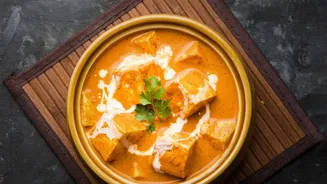
The proposed regulations will affect the entire food supply chain, from large manufacturers to local eateries. Food businesses, including restaurants and hotels, that use paneer analogues will be required to clearly disclose this information on their menus or display boards. This prevents a situation where a customer orders a 'paneer tikka' but is served a dish made with a vegetable fat-based substitute without their knowledge. Several states, including Maharashtra and Gujarat, had already started taking action against the sale of analogue paneer before this national proposal from FSSAI. The new rules aim to create a uniform standard across the country, empowering consumers everywhere.
How to Be an Informed Consumer
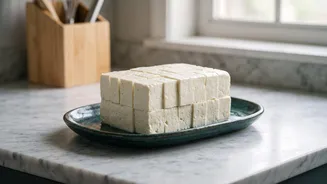
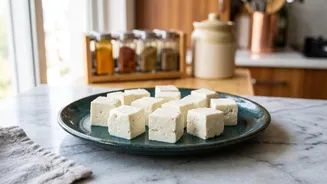
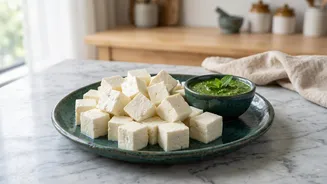
Until the new rules are fully implemented, consumers can look for clues to distinguish between real and analogue or adulterated paneer. Real paneer has a soft, slightly crumbly texture and a fresh, milky taste and smell. Analogue paneer can often feel rubbery, greasy, or have a bland, synthetic taste. When cooked, real paneer softens without releasing excessive oil, whereas some analogues may become oily or not soften at all. A simple test for starch—a common adulterant—is to boil a small piece of paneer in water, let it cool, and add a drop of iodine solution. If it turns blue, it contains starch. For now, the most reliable method is to buy from trusted, FSSAI-certified brands and carefully read the ingredient list on packaged products.