




The Blueprint for Dominance
At its 2026 CEO Investor Day in Seoul, Hyundai Motor Company laid out a global roadmap that places India at the heart of its future growth. Of the more than 100 new and refreshed models planned worldwide, India is slated to receive 26. This aggressive
strategy clarifies that the number includes a mix of all-new models, generational updates (full-model changes), and significant product enhancements or facelifts. The plan is not just about cars; it involves a major expansion of local manufacturing. Hyundai aims to increase its annual production capacity in India by 320,000 units, targeting a total of around 1.43 lakh units by 2030. Furthermore, the company intends to increase local content in its vehicles to 90%, relying on a network of over 1,400 domestic suppliers.
A Major Push into SUVs
The core of Hyundai's strategy is a heavy focus on the wildly popular SUV segment. The company aims for SUVs to constitute 80% of its sales in India by 2030, a clear response to overwhelming consumer demand. The first wave of launches underscores this priority. Expected around the festive season of 2026 is a new mid-size SUV, codenamed Bc4i and based on the Bayon platform, designed to slot between the Venue and the blockbuster Creta. This model will challenge the growing compact crossover segment. Following that, a brand new third-generation Creta is expected to arrive in 2027. The new Creta will likely grow in size and may introduce a petrol strong-hybrid powertrain option, a first for the model, to compete with rivals in the hybrid space.
Charging Forward with Electric Vehicles
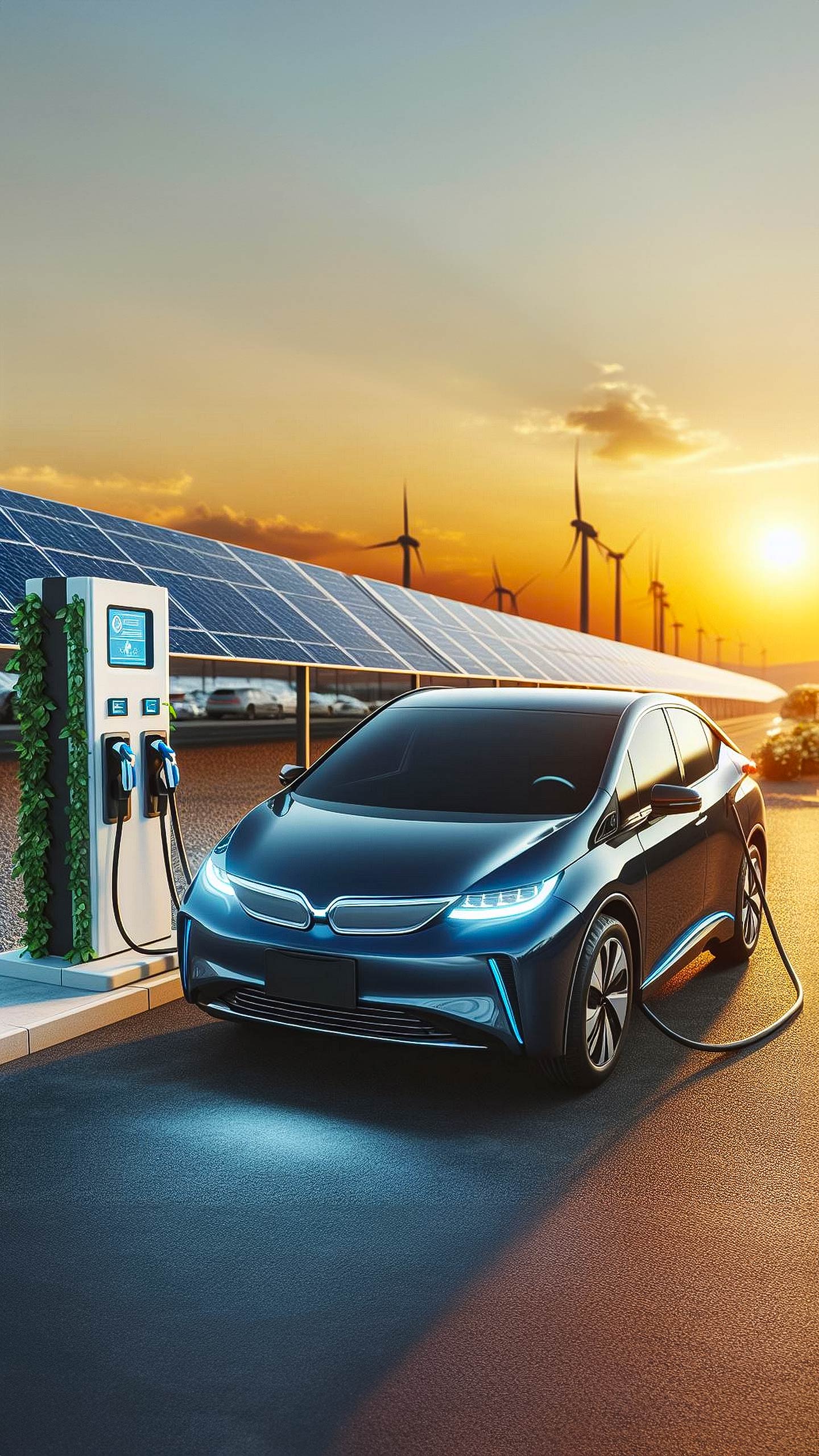
Electrification is a critical pillar of the new plan. The product blitz is set to kick off in the fourth quarter of 2026 with a new compact electric SUV. Codenamed HE1i, this model is being specifically designed and developed for the Indian market, rather than being an adaptation of a global product. It is expected to be an A-segment SUV positioned to compete directly with affordable EVs like the Tata Punch EV. Hyundai has confirmed this compact EV will feature advanced technologies like a next-generation infotainment system and Level 2 Advanced Driver-Assistance Systems (ADAS). This locally-manufactured EV signals Hyundai’s intent to become a key player in India's high-volume electric car market. The broader plan includes six EV launches in India by 2028.
What to Expect and When
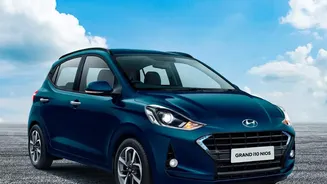
While the 2030 timeline is long, the action starts soon. The Bayon-based SUV is anticipated around October 2026, followed by the India-focused compact EV by the end of the year. The all-new, third-generation Creta is slated for a 2027 launch. Beyond these immediate launches, the plan includes seven all-new nameplates for India, which could see Hyundai entering new segments like MPVs and more rugged off-road SUVs. Updates to existing popular models like the Grand i10 Nios are also part of the 26-model roadmap. This multi-pronged approach of filling product gaps, strengthening its SUV lineup, and making a decisive push into affordable EVs shows a clear and aggressive strategy to reclaim market share and solidify its position as a leading automaker in the country.