






Understanding the Price Rollercoaster
The price of essential vegetables like tomatoes, onions, and potatoes can feel unpredictable, but there are clear reasons behind the fluctuations. Factors like erratic monsoon rains, extreme heatwaves, rising fuel costs for transportation, and supply
chain disruptions all play a significant role. When a crop in a major producing region is damaged by weather, or when transport becomes more expensive, the cost is passed down to the consumer, leading to those shocking prices at your local market. This volatility is especially high for perishable crops that can't be stored for long periods.
Embrace Seasonal and Local Produce
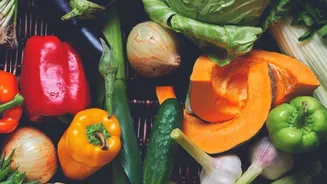
One of the most effective strategies to cut costs is to build your meals around seasonal vegetables. When a vegetable is in season, it is abundant, fresh, and significantly cheaper. During the monsoon season, for instance, gourds like lauki (bottle gourd) and turai (ridge gourd), along with bhindi (okra) and pumpkin, are widely available and affordable. Shopping at local mandis or weekly markets instead of supermarkets can also lead to big savings, as it often cuts out middlemen and reduces costs associated with transport and packaging.
Master the Art of Smart Substitution
A flexible recipe is one where the ingredients are not set in stone. This is where Indian cooking truly shines. When tomatoes are expensive, you don't have to give up on your favourite gravies. You can achieve a similar tangy flavour using dahi (yoghurt), tamarind, amchur (dry mango powder), or even kokum. For creating a rich, thick base without costly onions or tomatoes, a paste of cashews, poppy seeds, or roasted peanuts can work wonders. The goal is to think about the role an ingredient plays—is it for sourness, thickness, or flavour?—and find a more affordable alternative that does the same job.
Think in Frameworks, Not Rigid Recipes
Instead of following a recipe that calls for specific, expensive vegetables, think in terms of frameworks. For a mixed vegetable sabzi, the framework is simple: start with a flavour base of ginger, garlic, and spices, and then add any combination of vegetables you have on hand that are affordable that week. This approach works for everything from pulao and sambar to curries and stir-fries. You can use a mix of potatoes, carrots, beans, peas, cauliflower, or sweet potatoes depending on what's cheapest at the market. This not only saves money but also adds variety to your meals and reduces food waste.
Lean on Lentils and Legumes
When vegetable prices are high, dals and legumes are your best friends. Pulses like chickpeas (chana), kidney beans (rajma), and various lentils are relatively price-stable, incredibly nutritious, and very filling. They can form the base of a hearty meal on their own, like in dal tadka or chana masala, or be used to bulk up vegetable dishes, allowing you to use fewer expensive veggies. A simple dal with rice is a complete protein and a comforting, budget-friendly meal that has been a staple in Indian households for generations.
Minimise Waste to Maximise Value
A flexible kitchen is also a zero-waste kitchen. Getting the most out of every vegetable you buy is crucial when prices are high. Don't discard cauliflower stems or broccoli stalks; they can be chopped finely and added to sabzis, paratha fillings, or soups. Vegetable peels from gourds, potatoes, and carrots can be used to make flavourful broths. Storing vegetables correctly is also key to extending their life and preventing spoilage. By using every part of the plant, you are effectively getting more for your money and ensuring nothing goes to waste.