




Shift Your Mindset: Freezer as Future Meals
The first step to mastering your freezer is changing how you see it. Stop thinking of it as a last resort for leftovers you don't want to throw away. Instead, view it as a strategic extension of your pantry, stocked with future meals and valuable ingredients.
A well-managed freezer is your secret weapon against busy weeknights, unexpected guests, and the temptation to order expensive takeout. By stocking it intentionally, you control the ingredients, making healthier choices easier and reducing stress around the daily question of "what's for dinner?".
Master Batch Cooking and Freezing
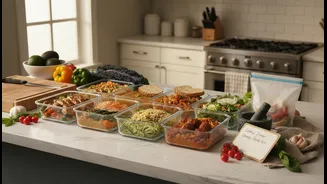
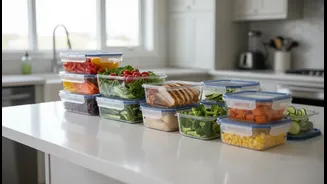
Batch cooking is the cornerstone of effective freezer planning. The principle is simple: cook once, eat multiple times. When you’re making dal, a base curry masala, or kheema, double the recipe. Serve one portion now and freeze the other for a later date. This “cook once, freeze half” method requires minimal extra effort but pays huge dividends in time saved. Soups, stews, and gravies are perfect candidates. In an Indian kitchen, consider freezing portions of ginger-garlic paste, onion-tomato masala, or even pre-rolled parathas. Having these components ready drastically cuts down on daily cooking time.
Label Everything, Regret Nothing
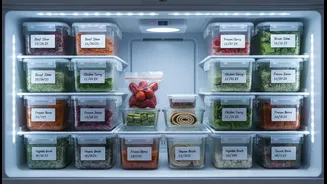
An unlabeled container in the freezer is a mystery waiting to happen, and usually, that mystery ends in the bin. Proper labeling is non-negotiable. Every item that goes into your freezer needs a clear label with two key pieces of information: what it is and the date it was frozen. This simple habit helps you implement the 'First-In, First-Out' (FIFO) system, ensuring you use older items before newer ones. It prevents you from having to guess if that frozen block is chicken curry or pumpkin soup, ultimately reducing food waste and making meal selection quick and easy.
Conquer Freezer Burn with Proper Packaging
Freezer burn is the enemy of quality. It occurs when moisture escapes from frozen food, leaving it dry, tough, and tasteless. The key to prevention is minimizing air exposure. Use heavy-duty freezer bags, airtight containers, or a vacuum sealer if you have one. When using bags, squeeze out as much air as possible before sealing. For containers, leave a little headspace (about half an inch) for liquids like soups to expand, but try to use a container size that matches the portion to limit empty space. Letting hot foods cool completely before freezing also helps prevent the formation of ice crystals.
Freeze Strategically for Easy Use
How you freeze food is as important as what you freeze. Think about how you’ll use the item later. Freeze liquids like stocks and soups flat in freezer bags to save space; once frozen, you can stack them like files in a drawer. For items like berries, chopped vegetables, or meatballs, flash freeze them first. Spread them in a single layer on a baking sheet and freeze until solid before transferring them to a bag. This prevents them from clumping together, allowing you to grab just the amount you need. Freezing in portion sizes that suit your family also makes meal prep more efficient.
Build a Freezer Inventory
To truly unlock your freezer's potential, you need to know what's inside. A simple inventory list—kept on the freezer door or as a note on your phone—can be a game-changer. It prevents you from buying something you already have and helps with meal planning. When you know you have three portions of rajma and a bag of chopped spinach, planning the week’s meals becomes a simple exercise in shopping your freezer first. This habit not only saves money at the grocery store but also ensures that food gets used in a timely manner.