



The Peanut Foundation: Boiled or Roasted?
The first decision in building a better peanut chaat is your base. You have two excellent options: boiled or roasted peanuts, and your choice will define the chaat's final texture. Boiled peanuts, made from raw peanuts cooked in salted water until tender,
offer a soft, almost creamy bite. This style is common when fresh peanuts are in season and creates a gentler chaat experience. On the other hand, roasted peanuts provide a satisfying crunch that many associate with this classic snack. You can use store-bought roasted and salted peanuts to save time or dry-roast raw peanuts at home for a fresher flavour. If using pre-salted peanuts, remember to adjust the salt you add later. There is no right or wrong answer; a soft, tender texture is just as valid as a crunchy one, so pick what you prefer.
Mastering the Masala Mix
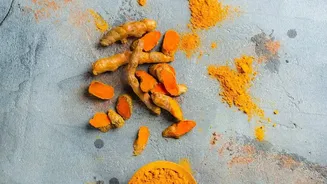
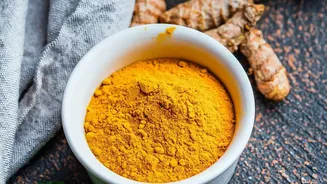
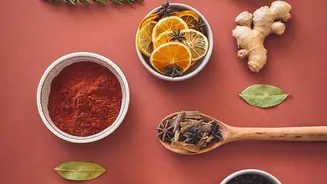
The soul of any chaat is its spice blend. A well-balanced masala is what creates that signature tangy, spicy, and savory flavour profile. The non-negotiable ingredient is chaat masala, a complex spice blend that provides the quintessential tangy and funky notes. Beyond that, build layers of flavour with roasted cumin powder for earthiness, Kashmiri red chilli powder for colour and mild heat, and a pinch of black salt (kala namak) for its unique sulfuric punch. Some recipes also incorporate a touch of black pepper, mango powder (amchoor) for extra tartness, or even a hint of turmeric when boiling the peanuts. The key is to start with small amounts, mix, and taste. You can always add more spice, but you can't take it away. Adjust the chilli and chaat masala levels to find the perfect balance for your palate.
The Fresh Components: Crunch and Zest
Fresh ingredients are crucial for texture and brightness, cutting through the richness of the peanuts and spices. Finely chopped red onions and tomatoes are standard additions, providing sweetness, acidity, and a juicy crunch. A pro tip is to deseed the tomatoes before chopping to prevent the chaat from becoming watery. Fresh coriander leaves are essential for their herby aroma and flavour. For an extra kick, add finely chopped green chillies; you can remove the seeds to tone down the heat. Don't be afraid to customize. Finely diced cucumber or bell pepper can add more crunch and freshness, while grated carrots or pomegranate seeds can introduce a hint of sweetness and vibrant colour.
Achieving the Perfect Tang
Tanginess is a hallmark of great chaat, and it primarily comes from two sources: a dry acidic powder and a liquid one. Chaat masala and amchoor (dry mango powder) provide the dry, spicy tartness. This is complemented by the bright, sharp acidity of freshly squeezed lemon or lime juice, which should be added just before serving. The interplay between these elements is what makes the final dish so dynamic. Some variations even call for a drizzle of tamarind chutney for a deeper, sweeter tang. Finding your ideal level of sourness is a matter of personal taste. Start with the juice of half a lemon, toss everything together, and then taste. If the flavours feel flat, an extra squeeze of lemon juice will likely make them pop.
The Art of Assembly and Serving
One of the most common mistakes that can ruin a chaat is preparing it too early. To maintain the perfect texture, all components should be prepped in advance—peanuts boiled or roasted, vegetables chopped, and spices measured—but only mixed together right before you plan to serve. When you add wet ingredients like lemon juice and chopped tomatoes, they begin to release moisture, which can quickly turn crunchy peanuts and crisp vegetables soggy. To assemble, simply combine your peanuts, chopped vegetables, and spice powders in a large bowl. Add the fresh lemon juice, toss lightly until everything is just combined, and serve immediately. Over-mixing can also lead to a mushy texture, so a gentle toss is all that's needed to ensure every ingredient is coated without being crushed. For an extra layer of texture, you can garnish the chaat with crispy sev or boondi just before serving.