


Shashthi: The Festive Prelude
The festival officially begins on Shashthi, with the invocation of Goddess Durga. The culinary mood is one of gentle anticipation. At home, meals are often light and traditionally vegetarian, as families prepare for the grand feasts ahead. Many women
observe fasts for the well-being of their children, breaking them with simple vegetarian fare like luchi (fluffy, deep-fried bread) and a simple vegetable curry or aloor dom (spiced potatoes). It's a day for home-cooked comfort, setting a soulful stage for the more elaborate meals to follow.
Saptami: The Feasting Begins
On Saptami, the celebrations spill out from homes into the pandals, and the feasting gains momentum. While many households continue with vegetarian meals, this is often the day when non-vegetarian dishes make their first appearance on the family dining table. A typical lunch might feature delicacies like Doi Maach (fish in a yogurt gravy) or Chingrir Malaikari (prawns in a creamy coconut sauce). It's a day of culinary freedom, where families enjoy everything from elaborate home-cooked spreads to the first foray into the bustling street food scene.
Ashtami: The Soul of Puja Food
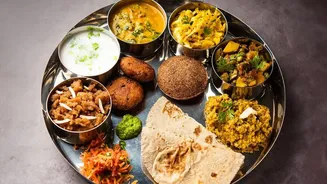
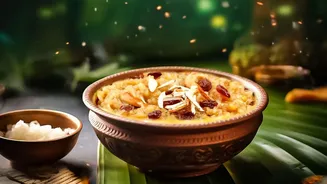
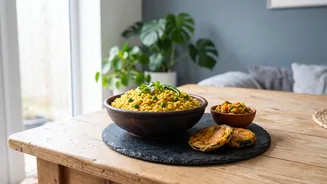
Maha Ashtami is arguably the most significant day of Durga Puja, and its culinary heart is the bhog. This sacred food, offered to the Goddess and then distributed to devotees, is strictly vegetarian, cooked without onion or garlic. The star of the Ashtami bhog is the Bhoger Khichuri, a sublime mixture of roasted moong dal and fragrant gobindobhog rice. This is typically served with Labra, a medley of seasonal vegetables, and Beguni (batter-fried brinjal slices). A sweet and tangy tomato chutney and a serving of Payesh (rice pudding) complete this divine platter.
Navami: The Grand Feast
Navami marks the final day of worship and is often the occasion for the most lavish meal of the festival. After the vegetarian purity of Ashtami, many families embrace non-vegetarian indulgence. The centerpiece of the Navami feast is often a rich mutton curry, like the famed Kosha Mangsho. In some traditional households, a special 'niramish mangsho' (mutton cooked without onion or garlic) is prepared as an offering. This day represents the peak of the celebratory feasting, a joyous explosion of rich flavours before the festival draws to a close.
The Street Food Spectacle
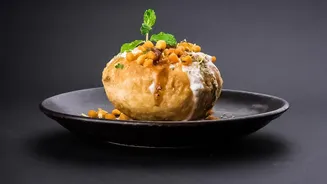
No Durga Puja experience is complete without diving into Kolkata’s legendary street food. The streets around the pandals transform into a massive food court. Must-try items include Phuchka, the city's iconic version of pani puri, and various chaats like Ghugni and Alu-Kabli. Kathi Rolls, flaky parathas stuffed with egg, chicken, or mutton, are a perfect on-the-go snack for pandal hoppers. You'll also find an array of chops (croquettes) and cutlets, offering a satisfying crunch between meals.
Dashami: A Sweet Farewell
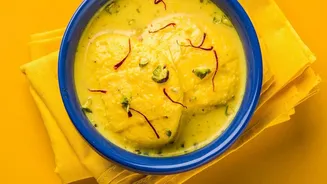
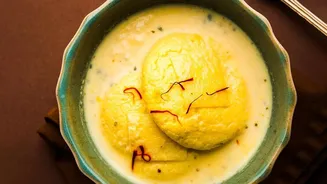
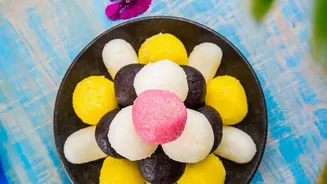
On Dashami, after the idols are immersed, the mood turns bittersweet. It's a time for 'Bijoya,' visiting friends and family to exchange greetings. This ritual is inseparable from sweets. Homes are stocked with iconic Bengali mishti like Rosogolla (spongy cheese balls in syrup) and Sandesh (delicate sweets made from fresh chhena). Mishti Doi (sweetened yogurt) is another essential. Homemade treats like Narkel Naru (coconut laddoos) are also shared, offering a sweet conclusion to the five-day extravaganza.