







The Core Allegations
The Food Safety and Standards Authority of India (FSSAI) has ordered CG Foods India to halt the production of its 'veg bhujia namkeen' following a series of alarming discoveries. During an inspection at the company's facility in Roopangarh, Ajmer, Rajasthan,
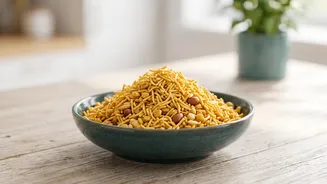
officials found several major violations. The most shocking allegation is that the unit was reprocessing broken noodles that had been collected from the factory floor and converting them into bhujia products without any proper heat treatment. Furthermore, the FSSAI reported that the company was engaging in predated packaging, essentially putting future manufacturing dates on its products. These practices raise significant questions about the safety and integrity of the snacks being sold to the public.
Unlicensed Production and Hygiene Lapses
The issues didn't stop at unsafe processing. The FSSAI also discovered that CG Foods was manufacturing two specific bhujia variants, 'Wai-Wai MaMa' and 'Wai-Wai Mama Punte', without holding the necessary licenses. This is a direct violation of the Food Safety and Standards Act of 2006, which mandates proper licensing for all food production. Beyond the licensing issues, the inspection revealed a general lack of adherence to safety protocols, noting several hygiene and documentation deficiencies. These included inadequate records for pest control, a fundamental aspect of maintaining a clean and safe food processing environment. Together, these findings paint a picture of a production process that was falling short of regulatory standards.
The Regulator's Swift Response
In response to these findings, the FSSAI took immediate and decisive action. Besides ordering a complete stop to the production of the bhujia and namkeen products in question, the food watchdog seized a massive quantity of stock. Officials confiscated over 32,000 kilograms of materials on-site, a haul that included loose broken noodles intended for reprocessing. Additionally, the authority detained nearly 2,000 boxes of finished goods that were found to be expired. The FSSAI has collected various samples, including the bhujia products, used cooking oil, and even the company's flagship 'Wai-Wai' noodles from the facility for further laboratory analysis. Strict legal proceedings have been initiated against the company, which has been warned not to resume production without securing the proper approvals and implementing corrective measures.
A Broader Industry Wake-Up Call
While the action against CG Foods is specific, it reflects a much broader trend of increased vigilance from Indian regulators. The country's packaged food market is a multi-billion dollar industry, and the FSSAI has been intensifying its efforts to ensure compliance with safety standards across the board. Recent months have seen crackdowns on everything from misleading labels to poor hygiene in various segments of the food industry. This incident serves as a stern warning to all manufacturers that shortcuts on hygiene, licensing, and processing will not be tolerated. For a company like CG Foods, which built its reputation on the immense popularity of Wai-Wai noodles, this scrutiny of its newer snack ventures could have a significant impact on brand trust.
What This Means for Consumers
For the average consumer, this news can be unsettling. Bhujia and other namkeens are staple snacks in millions of Indian households. The key takeaway is not necessarily to stop eating all packaged snacks, but to become a more informed and cautious buyer. This incident highlights that food safety problems are not always visible to the naked eye; a packet can look perfectly fine on the shelf while hiding processing-level issues. Consumers are reminded of the importance of checking for FSSAI licenses on packaging, paying close attention to manufacturing and expiry dates, and purchasing products from reputable brands and retailers. It underscores that regulatory oversight is crucial, because when it comes to the food we eat, the crunch of a snack should be the only surprise.