






A Taste of Prayagraj's Identity
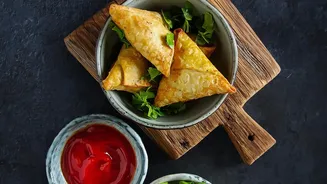
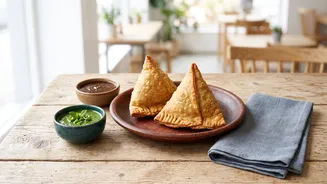
In the bustling lanes of Prayagraj, the aroma of sizzling samosas is a constant. From legendary establishments like Hari Ram and Sons, which has been serving since 1890, to countless other vendors, the samosa is deeply woven into the city's daily life.
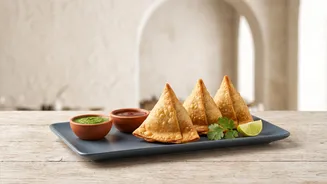
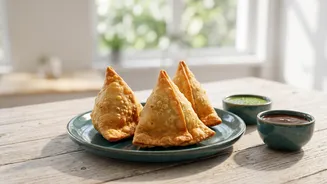
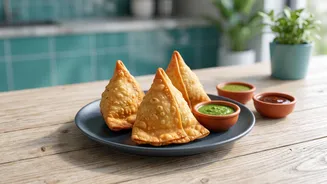
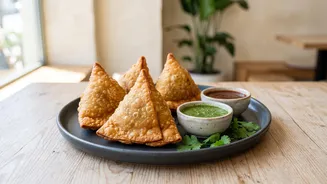
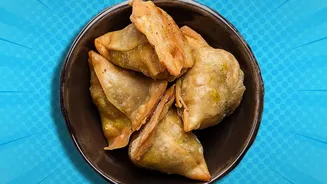
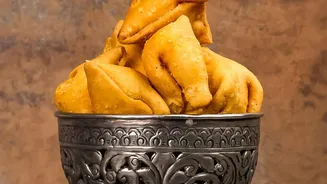
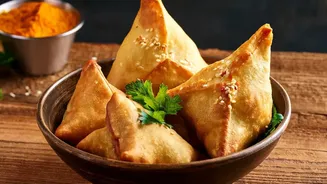
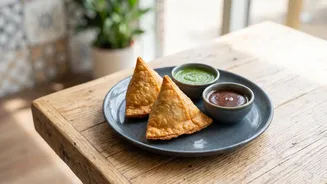
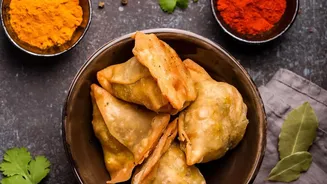
What makes Prayagraj's version special isn't just one thing. There's the classic, spiced potato-filled triangle, but also unique local variants, such as mini samosas filled with a dry masala blend instead of potatoes, giving them a distinct taste and a longer shelf life. This culinary staple, enjoyed by students, traders, and families for generations, was recently chosen to represent the district's food identity, beating other local favorites like kachori and imarti in an extensive selection process.
The 'One District' Initiative Explained
The promotion is part of Uttar Pradesh's 'One District, One Dish' (ODOD) initiative, a program inspired by the wider 'One District, One Product' (ODOP) scheme. Launched by the UP government in 2018, the ODOP model aims to identify and promote a unique product from each of the state's 75 districts. The goal is to turn these local specialities into recognizable brands, preserve traditional skills, boost local economies, and create employment. By providing focused support—including financial aid, skill development, and marketing assistance—the scheme helps small-scale artisans and entrepreneurs reach national and even international markets. The success of UP's model has led to its adoption at the national level, aligning with the 'Vocal for Local' and 'Make in India' movements.
From Local Snack to Branded Product
For Prayagraj's samosa vendors, this initiative is a game-changer. The government support isn't just a token of appreciation; it's a structured plan to uplift the entire local industry. The program aims to improve branding, standardise quality, and enhance market visibility for the city’s samosa makers. This involves tangible support through the ODOD Financing Assistance Scheme, which helps traders establish new units or expand their existing businesses. Officials have identified hundreds of manufacturers, street vendors, restaurants, and self-help groups involved in the trade who stand to benefit. The assistance includes everything from training in modern packaging and hygiene standards to financial subsidies for upgrading equipment and facilities. The aim is to transform a largely unorganized sector into a structured micro-industry.
The Economic Recipe for Success
The impact of this push extends far beyond just better-tasting samosas. The primary objective is economic empowerment. According to official estimates, the initiative is expected to benefit over a thousand families directly involved in the samosa trade in Prayagraj and generate more than 1,500 employment opportunities. Entrepreneurs can receive subsidies on their project costs, with financial assistance available for projects of various sizes. This access to capital allows small vendors to scale their operations, hire more staff, and improve their infrastructure. By creating a strong brand identity for Prayagraj's samosas, the administration hopes to unlock new markets, potentially including e-commerce platforms and sales outside the district. This model has already proven effective for other products under the ODOP scheme, which has significantly boosted exports from Uttar Pradesh.
More Than Just a Snack
Ultimately, promoting the samosa is about preserving and celebrating cultural heritage. While the dish's origins trace back to Persia, it has been thoroughly Indianised over the centuries and become a symbol of shared experience that cuts across all social lines. By officially recognizing the samosa, Prayagraj is acknowledging a food that is part of its soul. Following the selection, other local favourites like rasgullas and puri-kachoris were also included under the scheme, broadening its impact. This initiative ensures that the city’s unique culinary traditions don't just survive but thrive, creating a legacy that is both culturally rich and economically sustainable for the community.