




A New Era of Inquiry
For decades, the study of unidentified flying objects was relegated to the fringes of science, often associated with sensationalism and lacking credible data. That landscape is changing dramatically. Prompted by credible reports from military pilots and improved
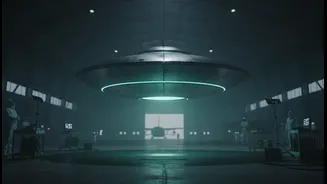
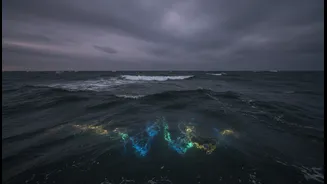
sensor technology, both government bodies and academic institutions are now treating the subject with newfound seriousness. The key change is a rebranding from UFO (Unidentified Flying Object) to UAP (Unidentified Anomalous Phenomena). This isn't just semantics; it's a deliberate move to strip away the cultural baggage of 'little green men' and focus on the core scientific question: what are these phenomena that we cannot immediately explain? The UAP acronym was expanded in late 2022 to encompass events not just in the air, but also in the sea and space.
Defining the Unknown
So, what exactly is a UAP? According to official definitions used by groups like NASA and the Department of Defense, it is any phenomenon or observation that cannot be readily identified as a known object or natural event. It’s crucial to understand that 'unidentified' does not mean 'extraterrestrial.' In fact, most sightings are eventually attributed to mundane causes like commercial drones, weather balloons, atmospheric conditions, or even airborne debris like plastic bags. The current scientific push is focused on the small percentage of cases that remain unresolved. The primary obstacle has been a lack of high-quality, repeatable data. Eyewitness accounts and grainy videos are often insufficient to draw scientific conclusions, making a more structured approach necessary.
The Scientific Toolkit
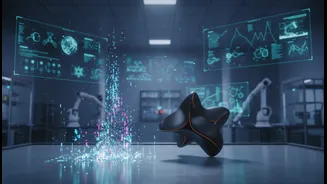
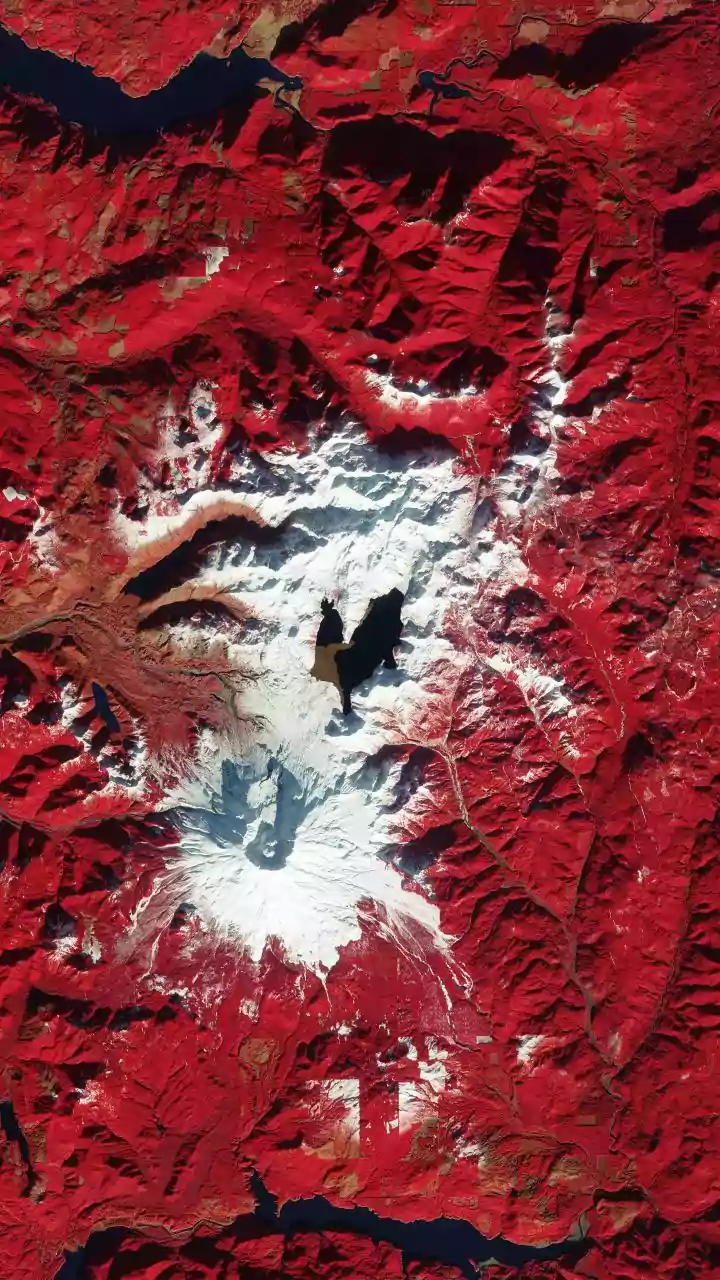
The 'more rigorously' aspect of the new approach involves a multi-pronged strategy. Scientists are calling for a systematic and evidence-based framework for data collection. This includes using a wide array of calibrated sensors—from high-resolution cameras and infrared detectors to radar and radiation detectors—to capture events from multiple perspectives simultaneously. Furthermore, artificial intelligence and machine learning will play a crucial role in sifting through vast datasets to identify anomalies that a human observer might miss. Projects like the Harvard-led Galileo Project aim to create their own network of observatories to continuously monitor the skies, applying scientific rigor to filter out known objects and analyze what remains. NASA also plans to leverage its powerful Earth-observing satellites to examine environmental conditions associated with UAP sightings.
Who Is Leading the Charge?
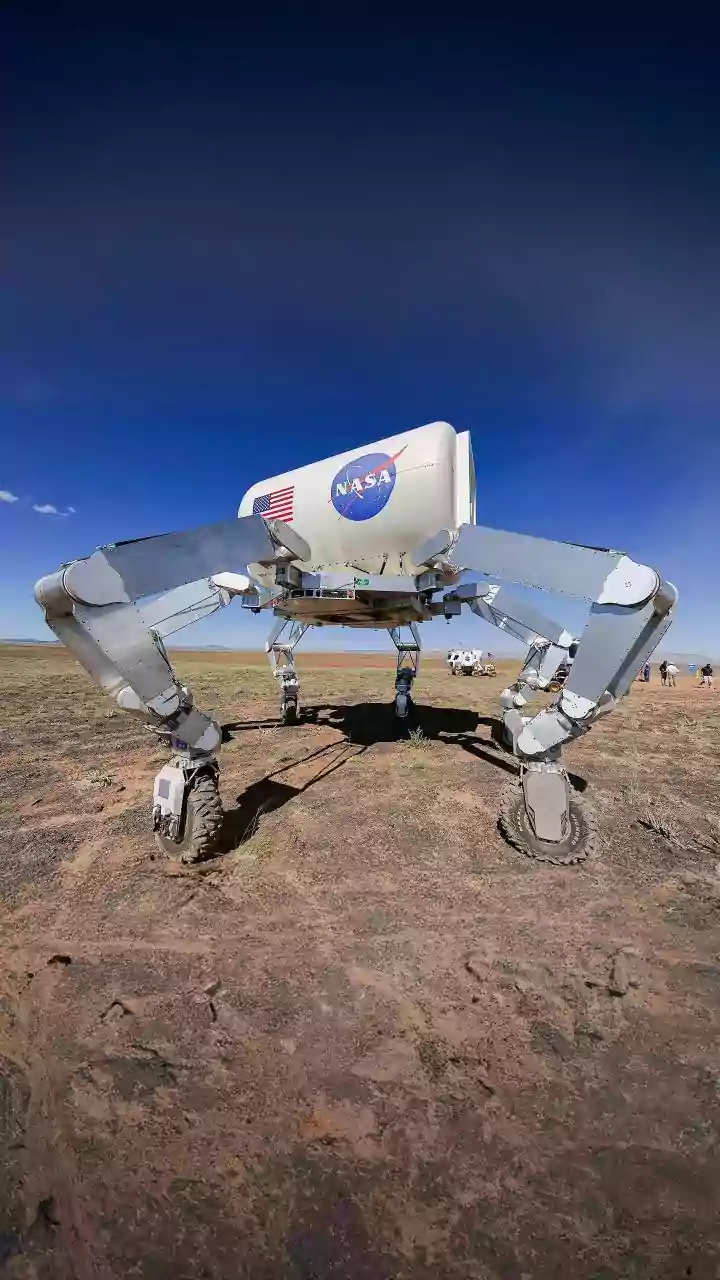
This renewed effort is not a solitary one. It involves a broad coalition of government agencies, academic institutions, and private organizations. The Department of Defense established the All-domain Anomaly Resolution Office (AARO) to centralize the reporting and analysis of UAP incidents from military personnel. NASA formed an independent study team, which recommended a path forward for how the agency can contribute its expertise. This led to the appointment of a dedicated Director of UAP Research. In the academic world, figures like Harvard astrophysicist Avi Loeb have launched initiatives like the Galileo Project and a new UAP Science Advisory Council to bring a transparent, scientific approach to the topic, assembling experts from fields as diverse as physics, oceanography, and data science.
Beyond Alien Theories
While the possibility of extraterrestrial technology remains a 'hypothesis of last resort,' the immediate goals of this research are far more pragmatic. One primary concern is national security; understanding anomalous objects in sensitive airspace is critical to rule out advanced technology from foreign adversaries. Another goal is improving aerospace safety by identifying potential hazards to aircraft. From a purely scientific standpoint, these phenomena could represent unknown natural atmospheric or oceanic events that would expand our understanding of the planet. The core mission is to collect enough high-quality data to move phenomena from the 'unidentified' column to the 'identified' one, whatever the explanation may be. The focus is on the evidence, following it wherever it may lead.