




The Local Champion: Ragi's Enduring Appeal
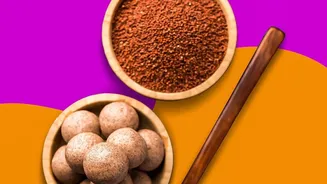
Ragi, also known as finger millet or nachni, is a grain deeply woven into India's culinary fabric. For generations, it has been a staple food, especially in the southern states, valued for its resilience as a crop and its immense nutritional benefits.
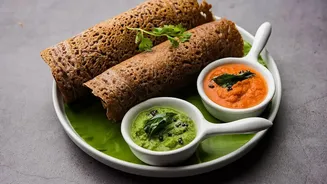
It's the base for comforting porridges for infants, hearty rotis, and crisp dosas. Ragi's primary claim to fame is its extraordinary calcium content. A 100-gram serving of ragi packs approximately 344 milligrams of calcium, making it one of the richest plant-based sources of this essential mineral, far surpassing most other cereals. This makes it invaluable for bone health, particularly for growing children, pregnant women, and older adults looking to prevent osteoporosis. Beyond calcium, ragi is also a good source of dietary fibre and iron.
The Global Superstar: Quinoa's Rise to Fame
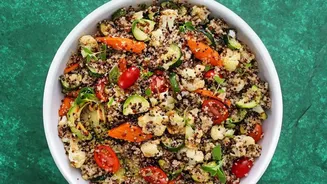
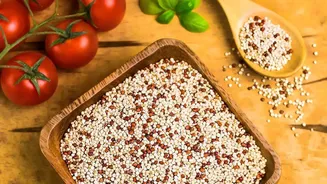
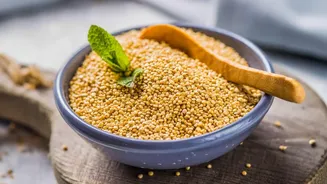
Quinoa, on the other hand, is a relative newcomer to Indian plates, having gained worldwide popularity over the last two decades. This edible seed, originally from the Andean region of South America, earned its 'superfood' status for one main reason: it is a complete protein. This means it contains all nine essential amino acids that our bodies cannot produce on their own, a rare trait for a plant-based food. This makes it an excellent choice for vegetarians, vegans, and anyone looking to boost their protein intake for muscle repair and growth. A 100-gram serving of uncooked quinoa offers around 13-14 grams of protein, significantly more than ragi's 7 grams. Quinoa also provides a good dose of fibre, magnesium, iron, and a range of B vitamins.
A Tale of Two Grains: The Nutritional Showdown
So, how do they stack up head-to-head? It depends entirely on your nutritional goals. If bone health is your priority, ragi is the undisputed winner with nearly double the calcium of quinoa. If you're focused on building muscle or need a complete protein source from a plant, quinoa has a clear advantage. For managing blood sugar, both are excellent choices as they have a low glycemic index (GI), meaning they release sugar into the bloodstream slowly. Quinoa's GI is around 53, while ragi's can range from 54-68, with the cooking method affecting the final value. Both are also gluten-free, making them suitable for those with celiac disease or gluten sensitivity. When it comes to fibre, both are good sources that aid digestion and promote feelings of fullness, though some data suggests ragi has a slight edge.
From Porridge to Pulao: Making Them Work for You
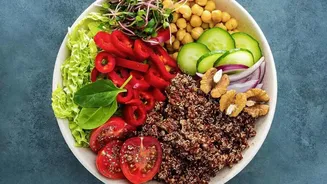
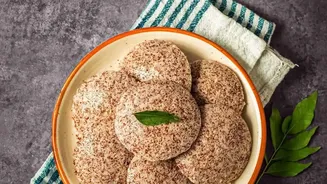
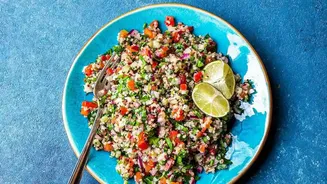
The best part is that you don't have to choose. Both grains can easily coexist in a healthy Indian diet. Ragi's flour-based nature makes it perfect for traditional preparations. Think ragi malt, dosas, idlis, and rotis, where it blends seamlessly into recipes you already know and love. You can even add ragi flour to your regular wheat atta to boost its nutritional value. Quinoa, with its seed-like texture, works beautifully as a substitute for rice. It's ideal for pulaos, upma, and salads. It cooks in just 15 minutes and has a mild, nutty flavour that adapts well to Indian spices. By incorporating both, you get the best of both worlds: ragi's bone-building calcium and quinoa's complete protein profile.