

A Golden Age of Maritime Trade
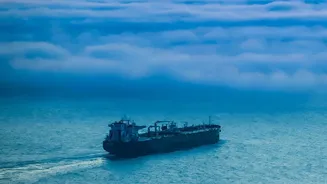
For centuries, the stretch of water connecting the Persian Gulf to the Gulf of Oman and the Arabian Sea was a vibrant commercial artery. As far back as the third millennium BCE, maritime routes in the Persian Gulf linked Mesopotamia with civilizations
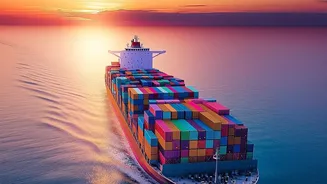
in the Iranian Plateau and the Indus Valley. In later centuries, during the Sasanian Empire (224-651 CE), Persian rulers dominated the northern and southern shores of the strait, securing lucrative trade routes that connected them to India, East Africa, and beyond. Ports on the Persian and Omani coasts became bustling hubs. The Persian port of Hormuz flourished as a center for goods like indigo and dates, and as a redistribution point for commerce with the wider Indian Ocean. Across the water, Omani ports were equally critical. This constant flow of ships carried not just goods—spices, silks, precious metals, and Arabian horses—but also culture, languages, and traditions, weaving a deep connection between the two coasts.
The Rise of European Powers and Shifting Tides
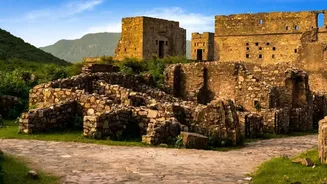
The arrival of European powers marked a significant turning point for this ancient trade network. In the early 16th century, the Portuguese explorer Afonso de Albuquerque recognized the strait's immense strategic value, understanding that controlling this chokepoint meant controlling the flow of wealth between East and West. They captured the island of Hormuz, establishing a fortress to dominate regional commerce. For a time, any ship passing through had to seek Portuguese permission, fundamentally altering the dynamics of a route that had long been managed by local and regional powers. While the Persians, under Abbas the Great, eventually drove the Portuguese from Hormuz in the early 17th century, the era of European colonial expansion had begun, and global trade patterns started to shift, diminishing the dominance of these traditional routes.
An Enduring Bond in the Modern Era
Despite the decline of the ancient sea lanes, the historical and geographical bond between Iran and Oman has endured, shaping a uniquely pragmatic modern relationship. Unlike many of its Gulf neighbors, Oman has consistently maintained strong diplomatic and economic ties with Iran. This special relationship is rooted in mutual interests, particularly the shared responsibility for securing the Strait of Hormuz, through which about a fifth of the world's oil supplies pass. This has allowed Oman to carve out a role as a crucial diplomatic intermediary, facilitating talks between Iran and Western nations, including the secret backchannel discussions that led to the 2015 nuclear deal. The trust built over centuries of exchange has enabled Oman to act as a bridge, helping to de-escalate regional tensions and maintain open channels of communication.
Renewed Focus on Trade and Cooperation
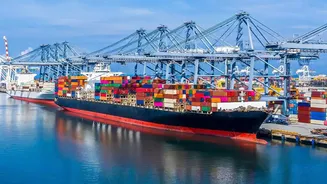
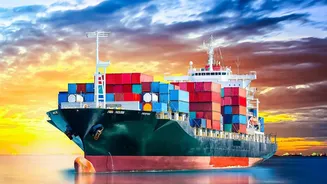
Today, that historical commercial link is being consciously revived. Both nations are actively working to strengthen their economic partnership, viewing it as a cornerstone of regional stability. Recent years have seen a surge in bilateral trade, with joint investments in port infrastructure and the establishment of new shipping lines between Iranian ports like Bandar Abbas and Chabahar and Omani ports such as Sohar and Salalah. In 2025, the two countries signed a Preferential Trade Agreement to further boost commercial ties. This modern-day cooperation is a direct echo of their shared past, demonstrating how ancient connections can provide a foundation for contemporary strategic and economic alignment. As of August 2026, Iran and Oman have been negotiating a framework to formalize the management of shipping traffic through the Strait, a move that underscores their deep-rooted partnership.