


The Foundation: Your Weekly Plan
The secret to balancing convenience, budget, and variety is to start with a plan. This doesn't need to be a rigid, hour-by-hour schedule. A simple weekly meal plan is your roadmap. Start by outlining your dinners for the week. Before you plan, take a quick
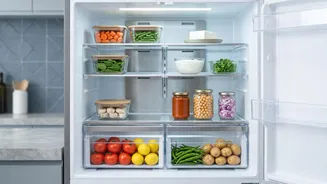
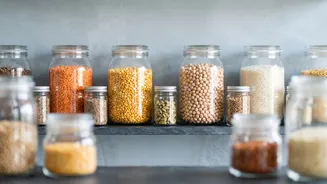
inventory of your pantry, fridge, and freezer. See that half-used bag of lentils or those vegetables that are about to wilt? Plan a meal around them. This simple act of 'shopping from your pantry' first immediately cuts down on food waste and reduces your grocery bill. Once you know what you have, you can build a list of what you actually need, which is the most effective way to prevent impulse buys at the store.
Mastering the Budget-Friendly Grocery Run
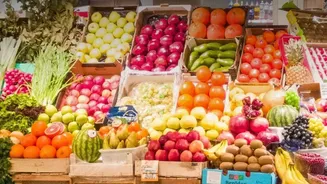
A smart meal plan leads to a smarter grocery list. With your list in hand, you're already protected from the biggest budget-killers: impulse buys and unnecessary items. To stretch your rupee further, focus on seasonal and local produce, which is often fresher and cheaper. Don't overlook the power of staples. Items like rice, dal, and flour are significantly more affordable when purchased in larger quantities, provided you have the storage space and will use them before they expire. While premium brands are placed at eye-level in stores, cheaper store brands of similar quality are often on the top or bottom shelves. Planning meals around versatile and affordable proteins like eggs, chickpeas, and lentils can also make a huge difference in your weekly spend.
Convenience That Doesn't Cost a Fortune
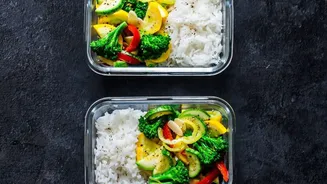
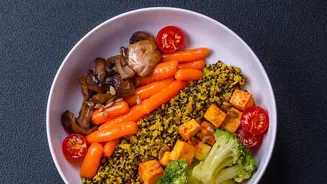
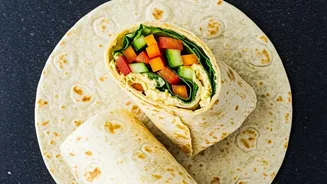
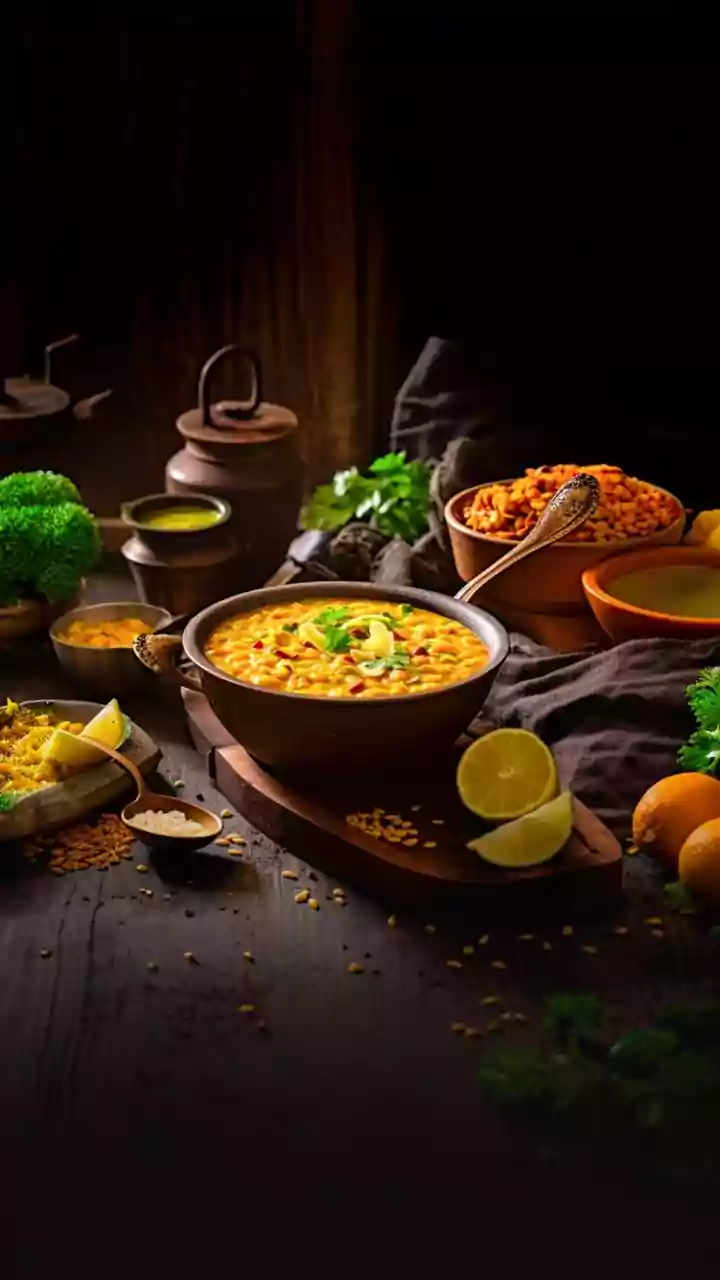
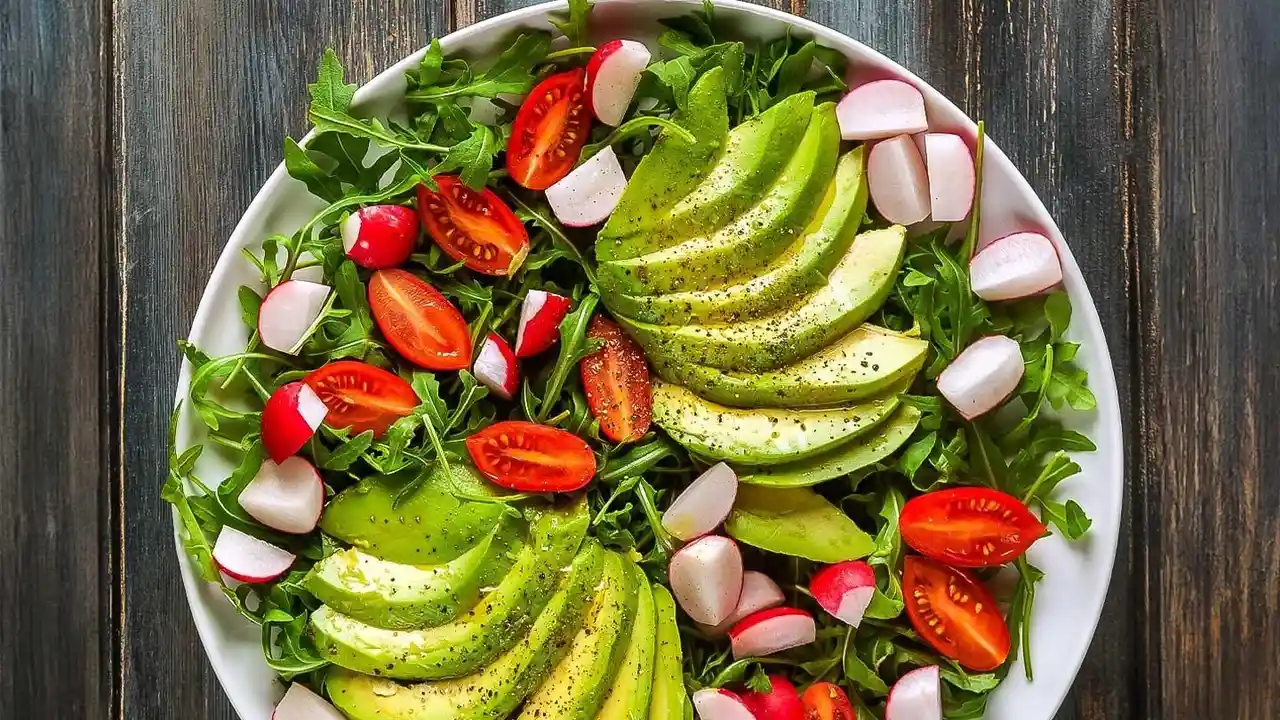
Convenience doesn't have to mean expensive takeaways or processed foods. The ultimate convenience is having a meal ready to go when you're tired and hungry. This is where meal prep comes in. You don't have to cook entire meals for the week. Instead, try 'component prepping'. Spend an hour on the weekend doing simple tasks: chop vegetables for the next few days, boil some eggs for quick snacks, or make a big batch of a base gravy that can be used for different curries. Another popular method is batch cooking. Cook a large portion of a versatile dish like a simple dal, roasted chicken, or quinoa. You can eat it as is one night and then repurpose the leftovers later in the week—for example, leftover chicken can become filling for sandwiches or a topping for a salad.
Injecting Variety Without the Headache
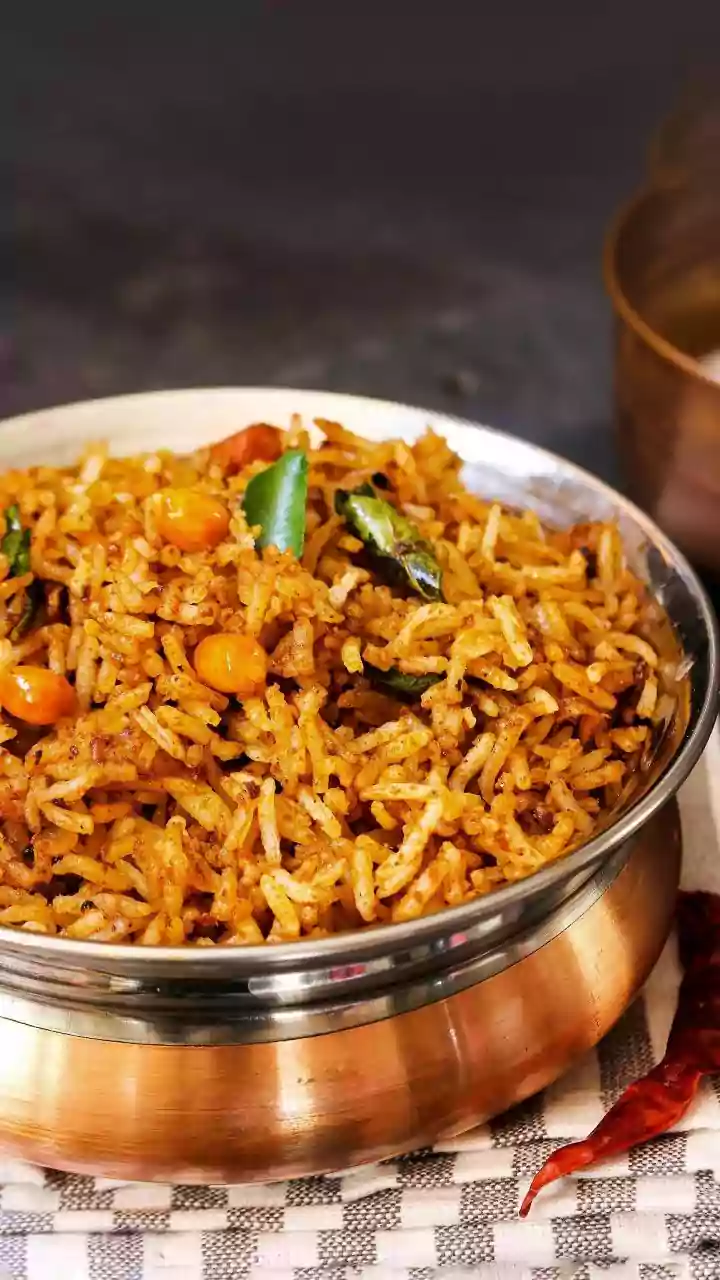
Eating the same thing on repeat is the fastest way to get bored and order out. But adding variety doesn't have to be complicated. Start by introducing 'theme nights' into your week, like 'Mexican night' or 'South Indian night', and rotate different simple recipes within that theme. Another easy trick is to change the spices. The same set of roasted vegetables can taste completely different with a sprinkle of Italian herbs versus a mix of Indian spices. Challenge yourself to try one new recipe or one new vegetable each week. It could be as simple as swapping your usual grain for something like millets or quinoa, or trying a different type of seasonal green. Using leftovers creatively also boosts variety; a simple leftover dal can be thinned out to make a soup or combined with flour to make parathas.