



The Problem with a Rocking Plank
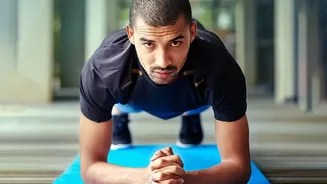
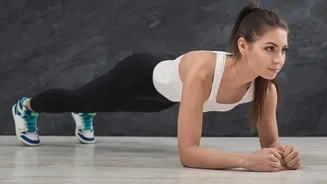
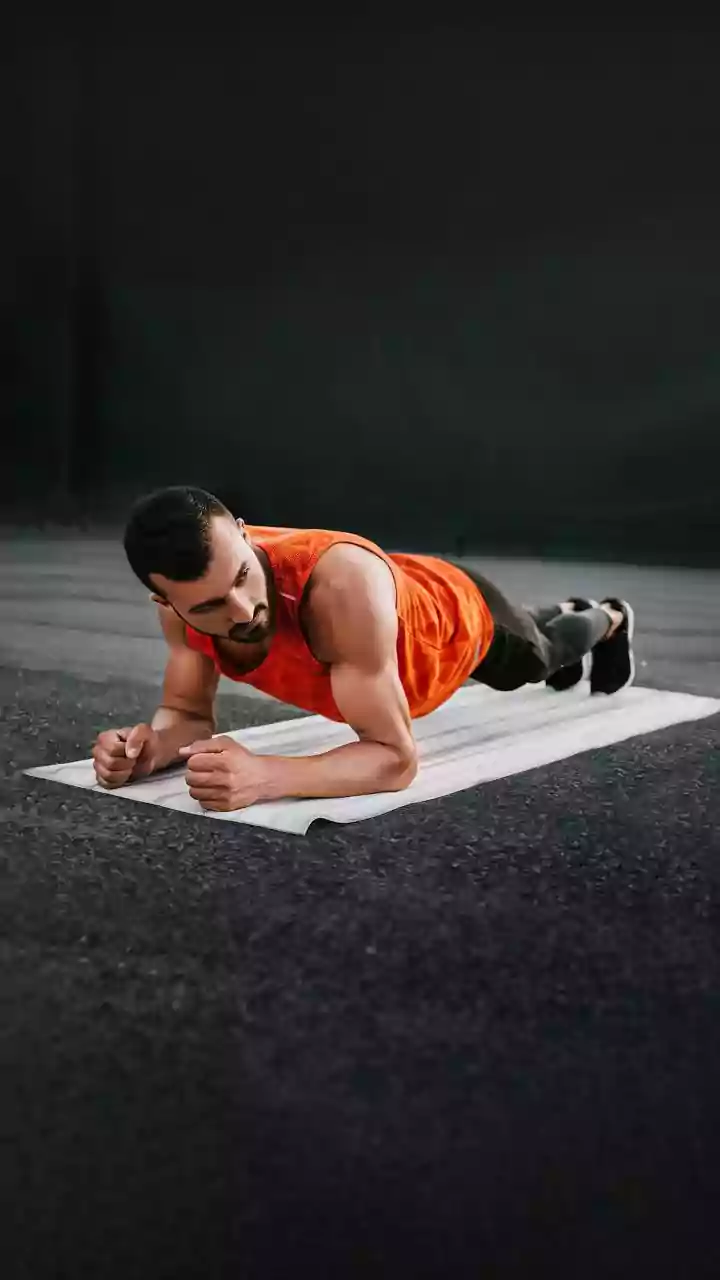
Holding a plank is a foundational move for core strength. However, many people struggle to maintain a perfectly still, straight line from head to heels. The most common mistake is the hips rocking from side to side or sagging toward the floor. When this
happens, you are no longer effectively engaging the deep core muscles the exercise is designed to target. Instead, you're relying on momentum and compensating with other parts of your body, which reduces the workout's effectiveness and can even place unwanted strain on your lower back. The goal of a plank is stability, and hip rocking is a clear sign that stability has been lost.
How Shoulder Taps Force Stability
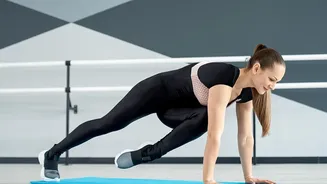
The shoulder tap transforms the static plank into a dynamic, anti-rotation exercise. When you're in a high plank and lift one hand off the ground to tap the opposite shoulder, you reduce your base of support from four points to three. This shift instantly creates an rotational force that tries to twist your torso and drop the hip on the unsupported side. To counteract this, your deep core muscles—specifically the transverse abdominis and obliques—must fire intensely to keep your pelvis and spine neutral. This constant bracing against the urge to rotate is what builds true, functional core strength that prevents the very hip rocking you're trying to eliminate.
Building Focus Through Deliberate Movement
The second, often overlooked, benefit of this exercise is its demand for concentration. Unlike mindlessly holding a plank, shoulder taps require a strong mind-muscle connection. You have to consciously think about keeping your hips square to the floor, as if you were balancing a glass of water on your lower back. This slow, controlled movement forces you to engage your brain and actively communicate with your muscles to maintain stability. Rushing through the taps with swinging hips defeats the purpose; the magic lies in the deliberate, focused control needed to perform each tap perfectly. This sharpens your proprioception, or your body's awareness of its position in space.
A Step-by-Step Guide to Perfect Form
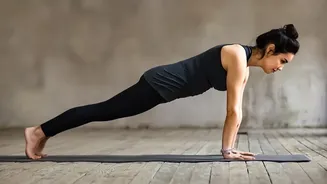
To get the most out of every rep, proper form is non-negotiable. Start in a high plank position with your hands directly under your shoulders and your feet slightly wider than hip-width apart. A wider stance provides more stability, making it a great starting point. Before you move, actively engage your core by drawing your belly button in and squeezing your glutes. Slowly lift your right hand and tap your left shoulder, keeping the rest of your body as still as possible. Return your right hand to the floor with control and then repeat on the other side, lifting your left hand to your right shoulder. That’s one repetition. The key is to move slowly and minimize all movement except for your arms.
Common Mistakes to Avoid
There are a few common form errors that can undermine the exercise's effectiveness. The most obvious is moving too quickly and allowing your hips to sway side-to-side. This turns an anti-rotation exercise into a sloppy momentum-based one. Another mistake is letting your lower back sag or your butt stick up in the air; your body should maintain a straight line throughout. Finally, ensure your hands are placed directly under your shoulders, not too far in front, as this provides a stable base and protects your shoulder joints. If you find it difficult to keep your hips still, widen your stance further or start with a variation on your knees to build strength safely.