




A Milestone Forty Years in the Making
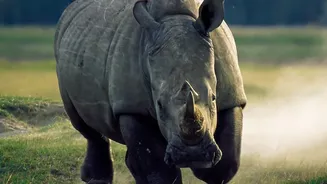
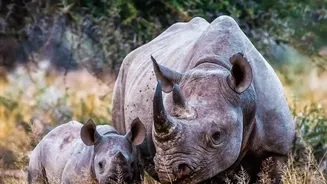
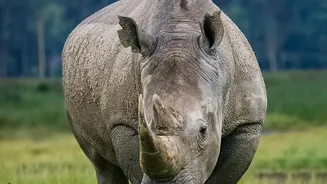
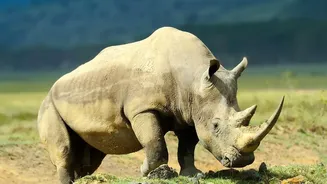
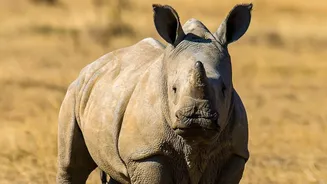
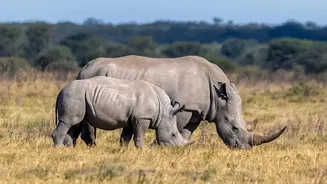
The latest rhino census, conducted in June 2026 by forest personnel and WWF-India staff, has brought cause for celebration. The official count now stands at 53 greater one-horned rhinoceroses, a heartening increase for a population that was re-established
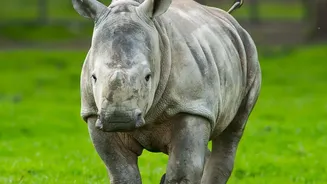
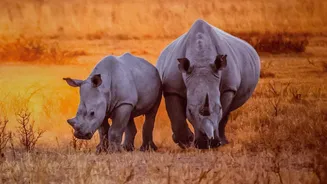
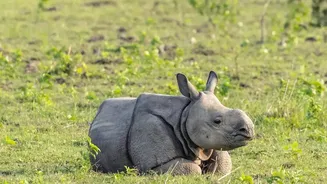
from scratch. The census identified 17 adult males, 25 adult females, and 11 calves, painting a picture of a breeding population that is finding its footing. This success is the fruit of the Rhino Rehabilitation Project, an ambitious conservation program that began all the way back in 1984. The journey started with just a handful of rhinos translocated from Assam and Nepal to an area where they had been locally extinct for over a century. Seeing their numbers grow more than seven-fold is a powerful testament to decades of dedicated conservation work.
From Fenced Enclosures to Free Wilderness
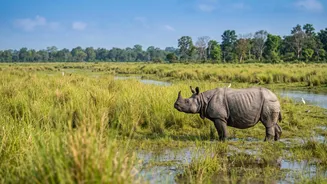
Dudhwa’s conservation strategy has been a masterclass in careful planning. For years, the growing rhino population was managed within two large, protected enclosures known as Rhino Rehabilitation areas (RR1 and RR2). These vast, fenced-in zones of grassland and marsh, covering over 40 square kilometres combined, provided a safe environment for the rhinos to breed and thrive, shielded from external threats. The ultimate goal, however, was always to re-establish a truly wild, free-ranging population. In a series of carefully managed operations starting in late 2024 and continuing into 2026, several rhinos were released from these enclosures. Today, 11 rhinos roam freely in the reserve's wilderness, a major step towards creating a self-sustaining population and boosting genetic diversity. This also significantly improves the chances for tourists on safari to witness these magnificent animals in their natural habitat.
The Challenges of Success
The path to 53 has not been without its setbacks. The net increase of five rhinos since the last count was achieved despite the loss of three individuals. These deaths highlight the persistent dangers rhinos face, even within a protected reserve. One female was killed by tigers, while two calves fell victim to territorial fights with a dominant male rhino. These natural threats are a part of life in the wild, but they underscore the fragility of the population. Furthermore, as the population grows within a confined area, the risks of inbreeding and disease transmission become more pronounced. This is precisely why the phased release of rhinos into the wider park is so critical. By expanding their territory, conservationists hope to foster a more resilient and genetically healthy group for the long term.
Why Dudhwa's Rhinos Matter
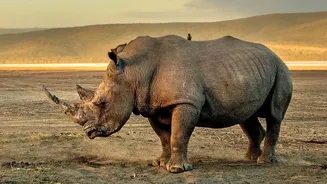
The success at Dudhwa is more than just a local victory; it's a beacon of hope for one of Asia's most iconic species. The greater one-horned rhinoceros is listed as Vulnerable on the IUCN Red List and is protected under the highest schedule of India's Wildlife (Protection) Act, 1972. Historically, their range stretched across the Gangetic plains, but habitat loss and poaching decimated their numbers. Today, viable wild populations exist only in Assam, West Bengal, and Uttar Pradesh, making every success story crucial. Dudhwa's achievement demonstrates that with long-term commitment, scientific management, and dedicated fieldwork, it is possible to bring a species back from the brink and restore it to its historical habitat. These rhinos are also 'ecological engineers' whose grazing helps maintain the health of the Terai grasslands, benefiting the entire ecosystem.