






The Anatomy of a Meal Replacement
Before you can build a better smoothie, it helps to understand what makes a meal satisfying and nutritious. A balanced meal provides a mix of protein, healthy fats, complex carbohydrates, and fibre. Protein and fat contribute to satiety, helping you feel
full for longer. Fibre slows digestion and helps stabilise blood sugar levels, preventing energy crashes. Carbohydrates provide the energy your body and brain need to function. Without these core components, a smoothie is just a sugary snack that will leave you hungry an hour later. A meal replacement smoothie should contain at least 20 grams of protein and be substantial enough in calories to mimic a real meal. The goal is to translate a balanced plate into a balanced blend.
The Breakfast Smoothie: For Energy and Focus
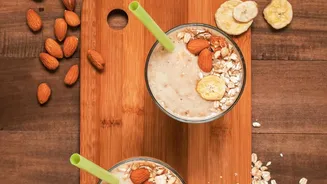
A breakfast smoothie should be designed to wake you up and provide sustained energy for the morning ahead. This means prioritising complex carbohydrates and fibre over a large dose of simple sugars. Rolled oats are an excellent addition; they are a source of carbs and soluble fibre that can thicken the smoothie and keep you full. For protein, consider Greek yogurt or a scoop of your favourite protein powder. Healthy fats are crucial for satiety; half an avocado or a tablespoon of almond butter will add creaminess and staying power. While fruit is a great source of vitamins, limit it to one cup to control sugar intake. Berries are a particularly good choice as they are high in fibre. A handful of spinach will boost nutrients without affecting the taste.
The Lunch Smoothie: To Prevent the Afternoon Slump
When replacing lunch, the primary objective is to create a smoothie that prevents the dreaded 3 p.m. hunger pangs and energy dip. This requires a strong emphasis on protein and fibre. Aim for 20-30 grams of protein, which can come from sources like Greek yogurt, cottage cheese, or a quality protein powder. To make it even more filling, consider adding a surprising ingredient: cooked white beans or chickpeas. They add a neutral-tasting, creamy texture along with significant fibre and plant-based protein. Healthy fats from sources like chia seeds or flaxseed not only help you feel full but also provide beneficial omega-3s. These seeds absorb liquid and will thicken the smoothie, making it feel more substantial. Pair these with leafy greens like kale or spinach and a moderate amount of low-sugar fruit.
The Post-Workout Smoothie: For Repair and Refuel
After exercise, your muscles need two things: protein to repair and rebuild, and carbohydrates to replenish depleted energy stores (glycogen). A post-workout smoothie should deliver these nutrients in an easily digestible format. Fast-digesting proteins like whey protein are popular for this reason, though plant-based protein powders are also effective. A scoop providing 20-30 grams of protein is a good target. For carbohydrates, a banana is a classic choice because it provides potassium, an electrolyte lost through sweat. Other good options include mango or pineapple. Some recipes even include rolled oats for a more substantial carb source. Coconut water can be a great liquid base as it helps rehydrate and restore electrolytes.
Common Smoothie Mistakes to Avoid
Even with the best intentions, it’s easy to create a 'health halo' around a smoothie that is actually a sugar bomb. A major mistake is using fruit juice as a liquid base, which adds a lot of sugar without the fibre of whole fruit. Opt for water, unsweetened nut milk, or regular milk instead. Another common pitfall is adding too much fruit, which can spike blood sugar. Finally, don't skimp on the protein and healthy fats. These are the key ingredients that turn a simple fruit drink into a legitimate, satisfying meal that will keep you full and energised for hours.