


The Appeal of Simple Home Tests
The internet is filled with quick 'purity tests' for honey—dropping it in water, lighting it with a match, or seeing if it spreads on your thumb. These methods are popular because they seem simple and decisive. The idea that pure honey behaves one way
and adulterated honey another is appealing. For example, many believe pure honey sinks in water while fake honey dissolves, or that pure honey will allow a matchstick to burn. However, these tests are fundamentally flawed because they measure physical properties like thickness (viscosity) and moisture content, not chemical purity.
How Temperature Changes Everything
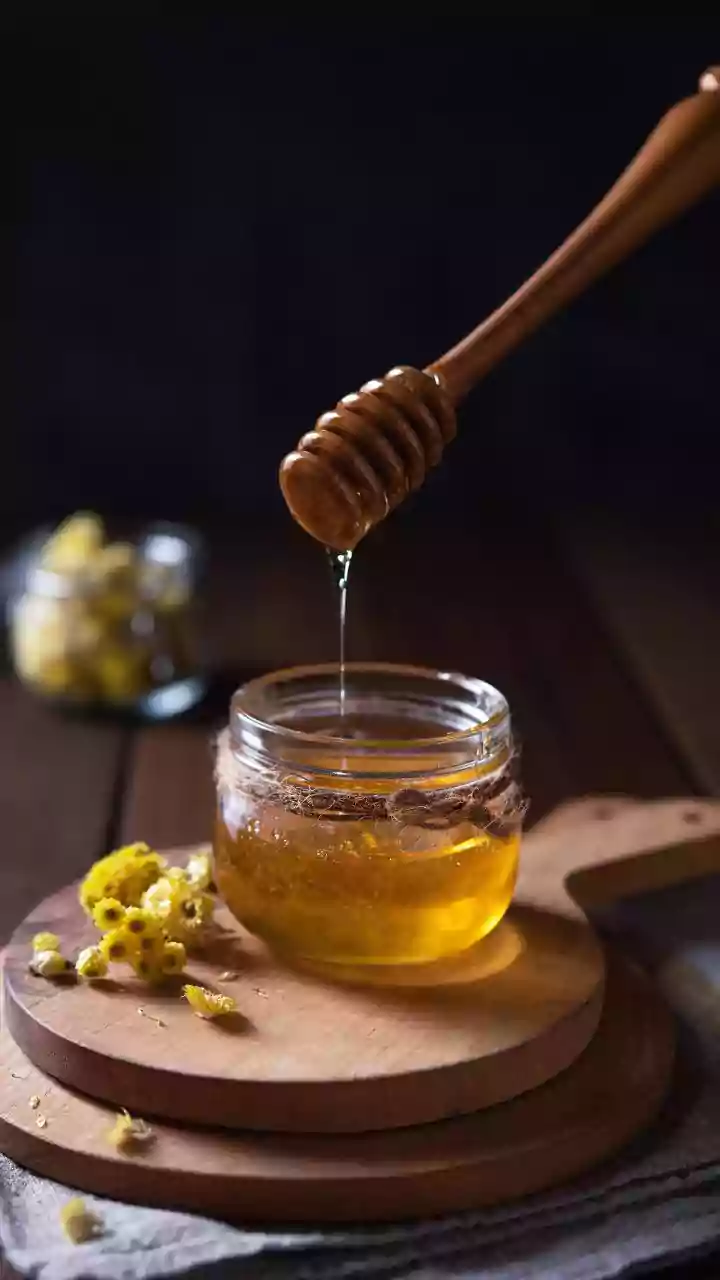
One of the biggest factors that home tests ignore is temperature. Honey is a highly viscous liquid, meaning it resists flow. This viscosity is not constant; it changes dramatically with temperature. When honey is cold, it becomes very thick and flows slowly. When warmed, its molecules move more freely, and it becomes runny and fluid. A thick, pure honey stored in a cool pantry might sink beautifully in water, passing the test. That same honey, when warmed on a summer day, could become runnier and disperse in water, causing it to 'fail'. This physical change has nothing to do with purity and everything to do with basic physics.
Not All Pure Honeys Are the Same
Another critical detail is that 'pure honey' is not a single, uniform substance. Its characteristics depend entirely on the floral source the bees visited. For example, honey made from acacia nectar has a high fructose content and tends to be naturally thin and stay liquid for years. In contrast, honey from clover or mustard flowers has a higher glucose content, making it thicker and prone to crystallizing quickly. A naturally runny but perfectly pure acacia honey might 'fail' a thumb or water test by spreading out or dissolving, while a thick, adulterated syrup could pass. Colour, thickness, and flavour vary enormously across pure, unadulterated honeys, making a one-size-fits-all test impossible.
The Myth of Crystallization
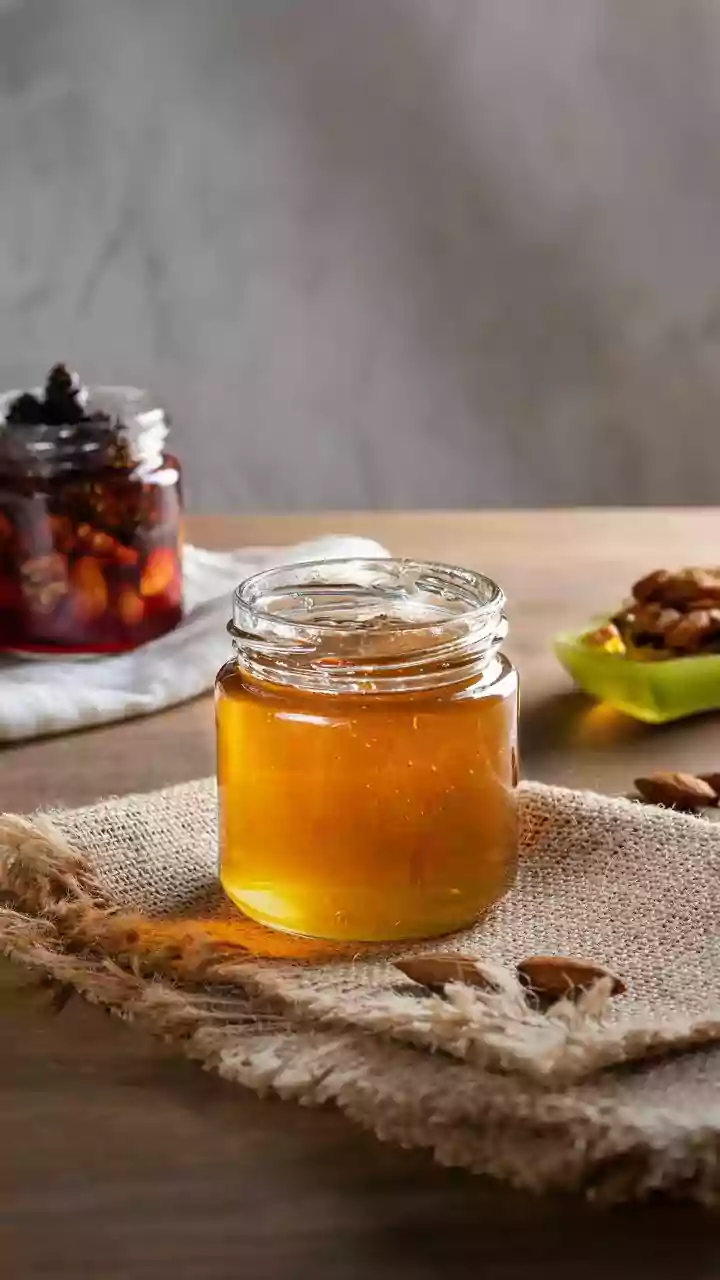
Many people mistakenly believe that if honey crystallizes or turns grainy, it has been adulterated with sugar. The opposite is often true: crystallization is a natural process and a good sign that the honey is raw and unprocessed. It occurs when the natural glucose in honey separates from the water, forming crystals. Honeys high in glucose will crystallize faster. In fact, many adulterated syrups are specifically designed to resist crystallization to appear perpetually smooth on store shelves. Commercial processors often heat and ultra-filter honey to remove the pollen and micro-particles that act as 'seeds' for crystallization, which can also degrade its beneficial properties. So, if your honey becomes solid, it hasn't gone bad; it's just behaving naturally.
So, How Can You Find Pure Honey?
If home tests are unreliable, what's a consumer to do? The most reliable method is to become a savvy shopper rather than a home scientist. The only way to be certain of purity is through sophisticated laboratory analysis like Nuclear Magnetic Resonance (NMR) testing, which can detect modern adulterants like rice syrup. For the average person, the best strategy is to buy from reputable sources. Look for trusted brands that are transparent about their sourcing. In India, check for the FSSAI license number on the label. Be wary of honey that is unusually cheap, as pure honey production is a costly process. Reading the label and choosing single-origin honey over vague 'blends' can also increase your chances of getting a genuine product.