
The Modern Health Calculus
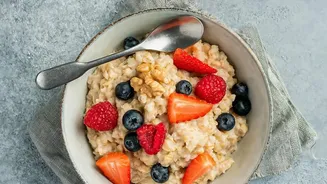
The primary driver behind this shift is a growing awareness of health and wellness. Unlike typical takeaway meals, which are often laden with refined oils, high sodium, and hidden sugars, oats khichdi presents a nutritionally balanced profile. Oats are a powerhouse
of soluble fibre, particularly beta-glucan, which is known for lowering cholesterol and promoting heart health. When combined with moong dal, the dish offers a complete protein source that is easy to digest, making it an ideal light dinner. This high-fibre, high-protein combination promotes satiety, keeping you full for longer and preventing late-night snacking. It also has a low glycemic index, which helps in regulating blood sugar levels, avoiding the energy spikes and crashes associated with processed carbohydrates found in many fast foods.
Redefining 'Fast' Food
While ordering food via an app feels instantaneous, the entire process—browsing menus, waiting for delivery, and the inevitable cost—adds up. A one-pot oats khichdi, on the other hand, can be on the table in under 20 minutes. It embodies 'fast food' in its truest sense: quick to prepare without compromising on quality. For a generation juggling demanding careers and personal time, efficiency is paramount. The simplicity of sautéing some spices, adding oats, dal, and vegetables, and letting it cook in a single pressure cooker or pan is a significant advantage. This minimal-effort, maximum-nutrition meal fits perfectly into a busy professional's evening routine, freeing up valuable time without resorting to unhealthy shortcuts.
Comfort in a Bowl
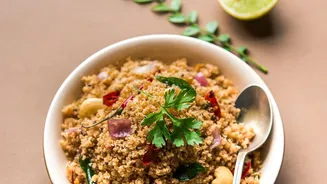
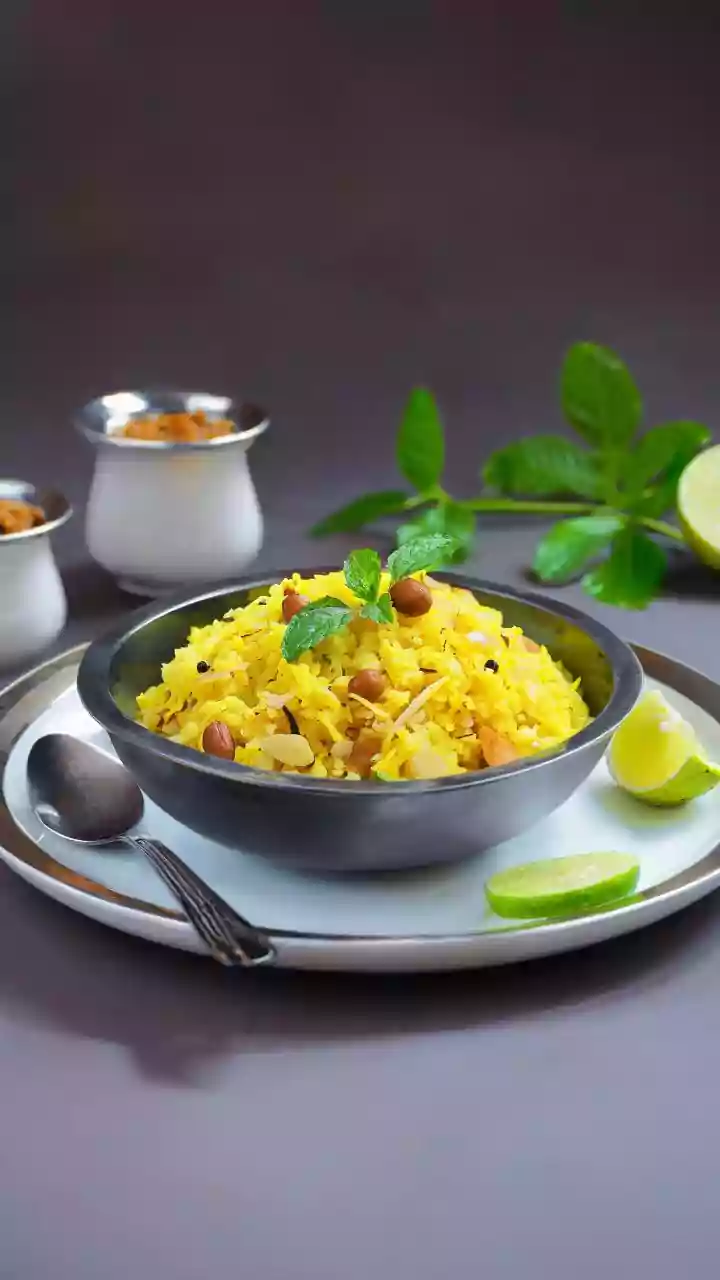
Khichdi has long been India's quintessential comfort food, associated with warmth, healing, and home. The modern oats version taps into this deep-seated emotional connection. After a stressful day at work, the desire for something nourishing and soothing is strong. Takeaway food, while convenient, often lacks this soulful quality. A warm bowl of khichdi provides a sense of grounding and well-being that a cardboard box of fried rice rarely can. By replacing traditional rice with oats, young professionals are not abandoning tradition but adapting it to their contemporary health goals, creating a dish that comforts both body and mind.
The Smart Economic Choice
The financial aspect cannot be overlooked. For young professionals managing budgets in expensive urban centres, the cost of ordering in multiple times a week quickly accumulates. The ingredients for oats khichdi—oats, lentils, basic spices, and seasonal vegetables—are significantly more economical. Cooking at home is a practical way to manage expenses without sacrificing food quality. This savvy financial decision, combined with the immense health benefits, makes oats khichdi a choice that is not just good for the body, but also for the wallet. It represents a move towards a more sustainable and mindful lifestyle, where value is measured in both health and savings.
An Evolution of the Indian Palate
The rise of oats khichdi also signifies a broader trend in modern Indian cuisine: the adaptation of traditional recipes for a new generation. There's a growing interest in using whole grains like millets, quinoa, and oats in everyday cooking. This isn't about replacing beloved dishes but evolving them. The core flavours of khichdi—the tempering of cumin and ghee, the earthiness of turmeric, the protein from dal—remain intact. The simple swap of rice for oats is an innovative tweak that enhances the dish's nutritional profile to align with modern knowledge about diet and long-term health, proving that traditional Indian food can be both timeless and forward-thinking.