





Why Soaking Is a Game-Changer
Soaking dals and legumes before cooking is more than just a tradition passed down through generations; it's a science-backed step with tangible benefits. The primary reason is to hydrate the pulse, which softens it and significantly reduces cooking time.
This saves energy and helps create a better texture, ensuring the dal cooks evenly to a soft, but not mushy, consistency. Beyond speed, soaking makes dals easier to digest. Legumes contain complex sugars called oligosaccharides, which can be tough for our bodies to break down and often lead to bloating and gas. Soaking helps dissolve these compounds. Furthermore, soaking helps neutralize 'anti-nutrients' like phytic acid. This compound can block the body's ability to absorb essential minerals like iron, zinc, and calcium. By soaking, you activate an enzyme called phytase, which breaks down phytic acid, making the nutrients in the dal more available to your body.
The Cardinal Rule of Soaking
If you're ever unsure how long to soak a particular dal, remember this simple principle: the larger, denser, and harder the pulse, the longer it needs to soak. Whole pulses with their skin intact require more time for water to penetrate than split (dal) and de-husked versions. For instance, whole black urad or rajma beans need a much longer soak than split yellow moong dal. Always remember to rinse your dals thoroughly before soaking to remove dust and contaminants. After soaking, it's crucial to discard the soaking water and cook the dal in fresh water. The soaking water contains the very starches and gas-causing compounds you wanted to get rid of.
Quick Dals: Moong and Masoor
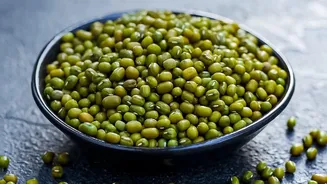
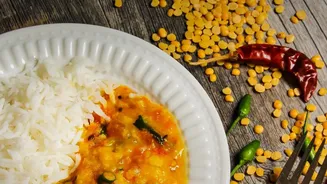
Split yellow moong dal and red masoor dal are the sprinters of the pulse world. They are small, split, and have no husk, which means they cook very quickly. For these, a long soak is generally unnecessary. A brief soak of 15 to 30 minutes is usually sufficient. This short period is enough to rinse them properly, soften them slightly, and help release any surface starches. Some cooks even prepare them with no soaking at all, especially when using a pressure cooker. However, if you are using whole green moong or whole masoor with its brown skin, a longer soak is beneficial. Whole moong benefits from 4 to 6 hours, while whole masoor can be soaked for about 2 to 3 hours to soften the skin.
The Middle Ground: Toor and Urad Dal
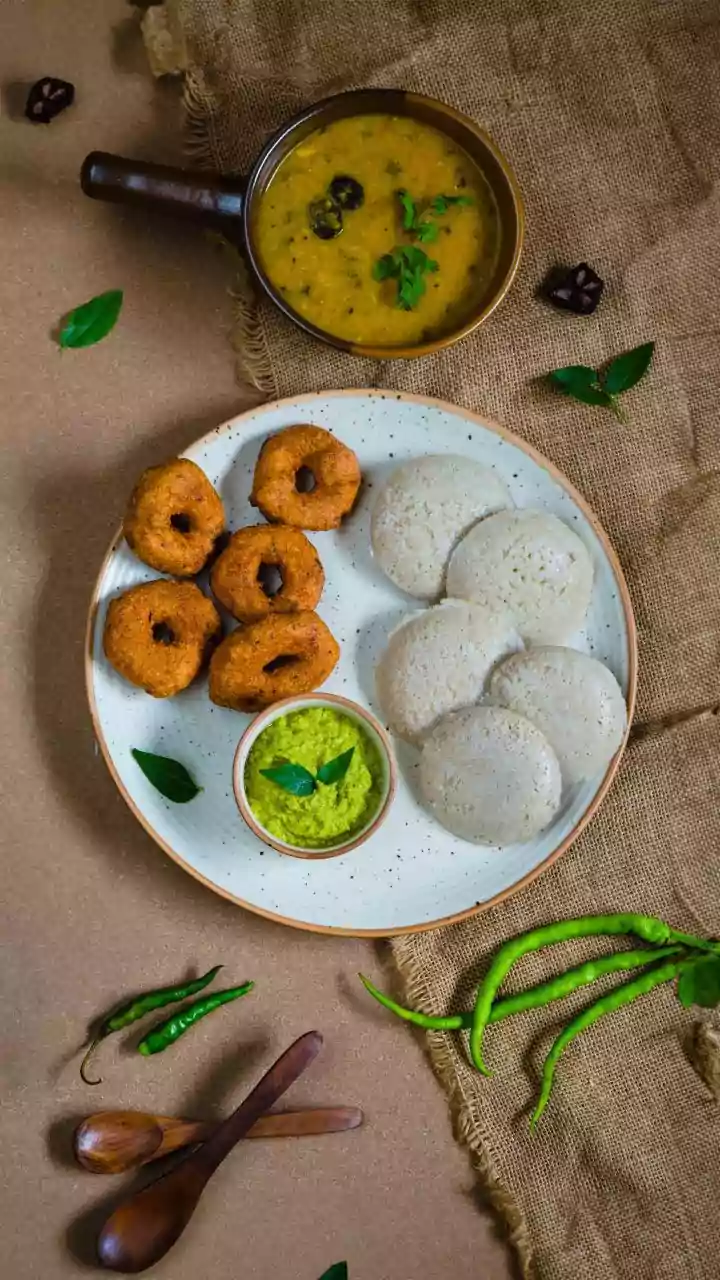
Toor dal (or arhar dal), a staple in many Indian households, sits comfortably in the middle. Soaking it for at least 30 to 60 minutes is recommended. This helps soften the grains, reduces cooking time, and makes it lighter on the stomach. Split urad dal, the white dal famous for its use in idli and dosa batters, should be soaked for at least 1 to 2 hours. For batters, proper hydration is key to achieving the perfect texture for fermentation and grinding. Whole black urad dal, used in dishes like Dal Makhani, is a different story. Because its tough black skin is intact, it requires a much longer soak, ideally for 6 to 8 hours or overnight, much like hardier beans.
The Long Soak: Chana Dal and Legumes
Chana dal, made from split chickpeas, is denser and firmer than many other dals. To ensure it cooks evenly and digests smoothly, a soaking time of 4 to 6 hours is considered non-negotiable by many cooks. Skipping this step can result in a dal that feels heavy and may not cook through properly. For even larger and harder legumes like rajma (kidney beans) and chole (whole chickpeas), patience is key. These are not technically dals but are often cooked similarly. They demand a long soak of at least 8 hours, and preferably overnight (10-12 hours). This extended time is crucial for softening their tough exteriors and breaking down the compounds that can cause digestive issues.
Forgot to Soak? The Hot Water Hack
If you've forgotten to soak your dal overnight, don't despair. A quick-soak method can save the day for harder legumes like chana dal, rajma, or chole. Place the rinsed pulses in a large pot, cover with plenty of water, and bring it to a boil. Let it boil for about two minutes, then turn off the heat, cover the pot, and let it stand for at least one hour. After an hour, you can drain the water and proceed with your recipe as if you had soaked them for hours. For more delicate dals like toor, a 20-minute soak in warm tap water can also speed things up effectively. This shortcut is a fantastic solution for those last-minute meal plans.