




Decoding the Pump: E10 vs E20
At its core, the debate is about ethanol. E10 fuel is a blend of 90% petrol and 10% ethanol, a standard India successfully used for years. E20 doubles the ethanol content to 20%, a move the government mandated nationwide from April 2026. This transition
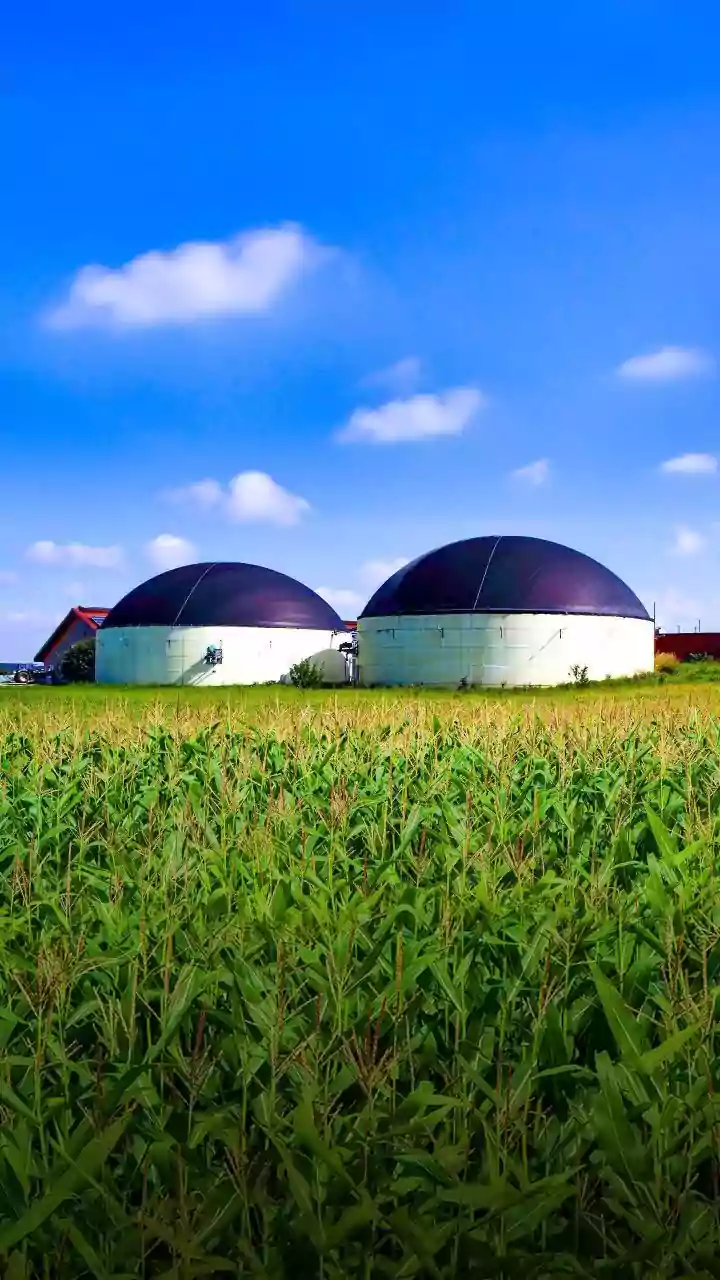
is part of India's ambitious National Policy on Biofuels, which aims to reduce reliance on imported crude oil, lower carbon emissions, and boost the income of farmers who grow crops like sugarcane and maize used for ethanol production. The government achieved its 20% blending target five years ahead of its original 2030 deadline, a rapid acceleration that has been both praised for its speed and questioned for its consequences.
The Government’s Green Push
The government's case for E20 is built on major economic and environmental pillars. Officials state the policy strengthens India's energy security by reducing a costly dependence on foreign oil, saving billions in foreign exchange annually. Environmentally, ethanol is a cleaner-burning fuel, and its increased use is projected to significantly cut greenhouse gas emissions. Furthermore, the programme creates a massive, stable market for agricultural products, directly supporting rural economies and farmers. Ministries and government officials have consistently defended the policy, citing scientific studies from bodies like the Automotive Research Association of India (ARAI) that confirm E20 is safe and technologically sound for vehicles.
Voices of Concern: The E20 Backlash
Despite official assurances, a significant backlash has emerged from vehicle owners across the country. The most common complaints are a noticeable drop in mileage and sluggish engine performance. Motorists, particularly those with vehicles manufactured before 2023, have reported concerns about long-term engine health, with fears of corrosion and damage to fuel lines and rubber components. Many older cars were designed to be compatible with E10 fuel at most, leading to worries about accelerated wear and tear. This anxiety has been amplified by the fact that E20 is now the only widely available petrol option, leaving consumers with no choice at the pump. The drop in fuel efficiency, which the government acknowledges could be around 3-5% for some vehicles, has not been matched by a lower price, adding to consumer frustration.
The Return of the E10 Conversation
The widespread complaints have revived discussions about making E10 fuel available again. Proponents of this idea, including some motorists and industry stakeholders, argue that offering a lower-blend option would protect the large number of older vehicles still on Indian roads. The debate isn't necessarily about rolling back the E20 policy entirely, but about providing a choice. The argument is that owners of pre-E20 compatible vehicles, a fleet numbering in the millions, should not be forced to use a fuel that could potentially harm their vehicles over time. This has put a spotlight on the logistical challenges of supplying multiple fuel grades across India’s vast distribution network.
Why Policy Remains Unchanged
Despite the vocal backlash and the renewed discussion around E10, the government's policy has not shifted. Officials from the Ministry of Petroleum and Natural Gas and other senior ministers have repeatedly reaffirmed their commitment to the E20 programme, dismissing widespread complaints as unsubstantiated or anecdotal. Oil marketing companies like BPCL have clarified that while there are discussions about fuel options for older vehicles, there is no plan to replace E20 with E10 as the standard. The government maintains that the benefits of energy security, emissions reduction, and farmer support are paramount and that extensive testing has proven E20's safety. They argue that creating a multi-fuel system with E10 and E20 would introduce significant logistical hurdles and costs, making the current single-fuel policy the most efficient path forward.