





Understanding the Spectacle
At its core, Durga Puja celebrates the victory of Goddess Durga over the demon Mahishasur, a symbol of good triumphing over evil. But for Bengalis, it's also a deeply personal affair — the annual homecoming of a beloved daughter, Uma (Durga), to her parental
home. This explains the dual nature of the festival: the awe-inspiring grandeur of the warrior goddess and the tender, celebratory welcome for a family member. The main festivities unfold over five days: Shashthi, Saptami, Ashtami, Navami, and Dashami. In 2021, UNESCO recognized this unique blend of public art, ritual, and community participation as an Intangible Cultural Heritage of Humanity.
The Art of Pandal Hopping
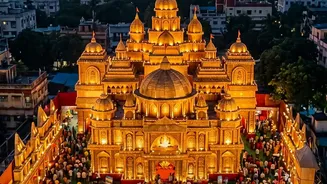
The heart of the experience is 'pandal hopping'. Pandals are elaborate, temporary structures built to house the idol of the Goddess. These range from traditionally styled displays to wildly imaginative, contemporary art installations tackling themes from folklore to social issues. A common mistake for first-timers is trying to see everything in one night. A better strategy is to divide and conquer. Focus on one geographical zone at a time: North Kolkata is famed for its traditional and historic 'bonedi bari' (old family) pujas, like Sovabazar Rajbari, while South Kolkata is the hub for blockbuster theme-based pandals. To beat the heaviest crowds, which peak on Ashtami and Navami evenings, try visiting in the daytime or on the earlier days of Panchami and Shashthi.
A Feast for the Senses
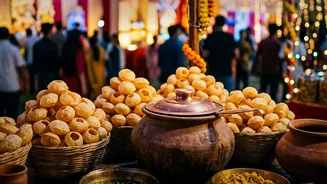
Durga Puja is as much a culinary festival as a religious one. You simply cannot leave without indulging. The most authentic experience is the 'bhog' — a community meal served at pandals, typically featuring khichuri (a rice and lentil dish), labra (mixed vegetables), and chutney. Beyond the bhog, the streets become a massive food court. Don't miss out on classics like kathi rolls (parathas with fillings), phuchka (a tangy, spicy water-filled snack), and a variety of deep-fried chops and cutlets. For those with a sweet tooth, no Pujo is complete without rosogolla, sandesh, and mishti doi (sweet yogurt).
Navigating the City of Joy
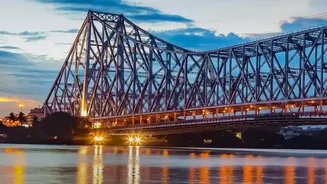
During Puja, Kolkata’s geography warps around the celebrations. Many roads are closed to vehicles, and walking is often the best way to get between nearby pandals. Wear your most comfortable shoes. For longer distances, the Kolkata Metro is your best friend. It runs on an extended, often all-night, schedule during the main Puja days and is the most efficient way to travel between North, Central, and South Kolkata. App-based cabs and auto-rickshaws are available, but expect detours and drop-offs far from the main pandal entrances. It’s wise to save your hotel details and nearby metro station names offline, as mobile networks can be unreliable in crowded areas.
Essential First-Timer Tips
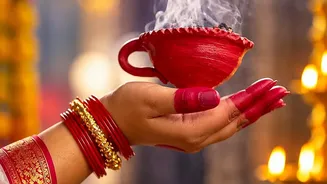
A little preparation goes a long way. Dress in light, comfortable clothing, but be respectful—you are entering a place of worship. You'll be expected to take off your shoes before entering the main pandal area where the idol is kept. Always ask for permission before photographing worshippers up close. While the atmosphere is festive, be mindful of your surroundings in the dense crowds. Finally, don't miss the grand finale on Dashami: the immersion (Visarjan) ceremony. Witnessing the processions as idols are carried to the river for their symbolic journey back home, accompanied by the beats of the 'dhaak' (traditional drums) and the 'Dhunuchi Naach' (a ritual dance with incense burners), is a powerful and emotional conclusion to the festival.