




The Twin Geographic Chokepoints
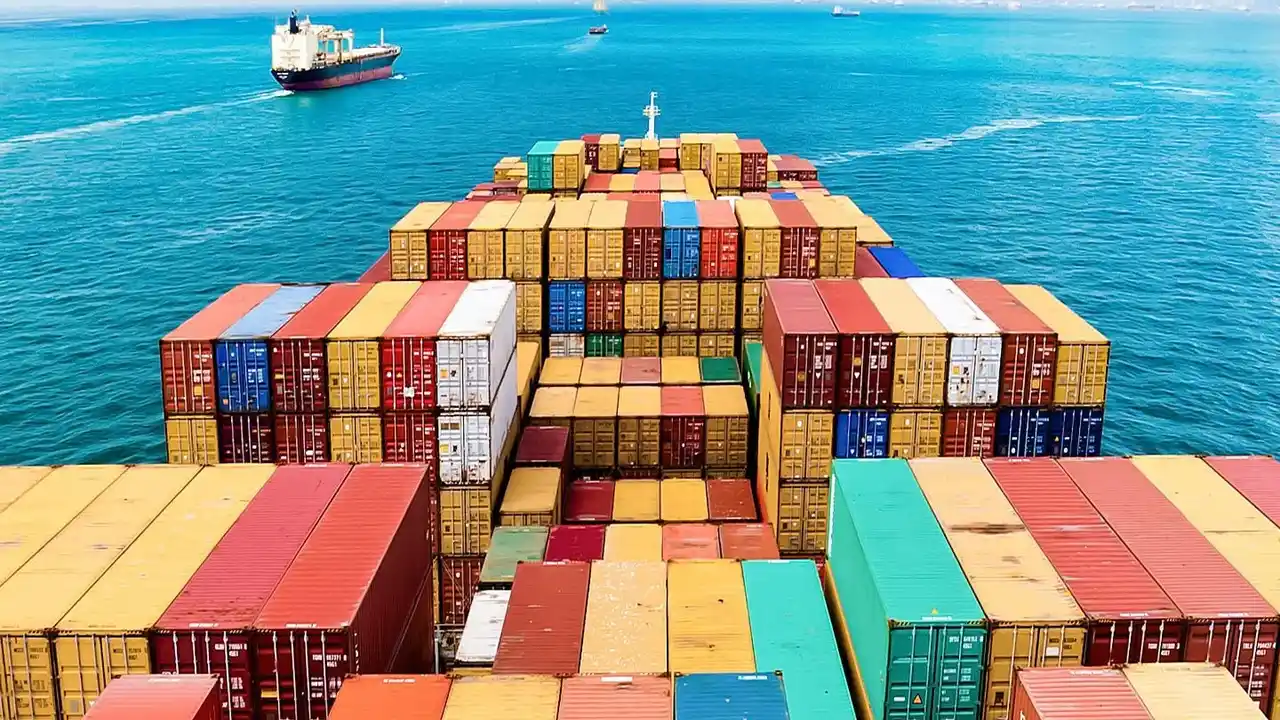
India's energy security is heavily reliant on two specific maritime passages: the Strait of Hormuz and the Strait of Malacca. The Strait of Hormuz, a narrow waterway connecting the Persian Gulf to the open ocean, is the world's most critical oil transit
chokepoint. A significant portion of India's crude oil and over half of its Liquefied Natural Gas (LNG) imports must pass through this strait. The Strait of Malacca, meanwhile, is the primary shipping lane between the Indian Ocean and the Pacific, critical for energy supplies from other regions and for trade with East Asia. Any disruption in one of these corridors forces rerouting that increases time and cost, but simultaneous pressure on both creates a logistical nightmare.
Deep Dependence on Imported Barrels
India is the world's third-largest importer and consumer of crude oil. The country's dependence on foreign oil stands at over 85%, while for natural gas, it's more than 50%. This high dependency means that global supply disruptions or price shocks have an immediate and direct impact. While India has been working to diversify its sources, recently expanding its crude suppliers to 41 countries and LNG suppliers to 15, a large volume of these imports must still navigate the same vulnerable sea lanes. Even oil sourced from Russia often travels through routes that intersect with these high-risk zones, such as the Red Sea and the Bab el-Mandeb strait.
The Insurance Premium Pain
Geopolitical instability translates directly into financial costs through maritime insurance. Standard shipping insurance policies exclude damages from acts of war, terrorism, or piracy. To traverse high-risk areas like the Strait of Hormuz or the Red Sea during periods of tension, shipowners must purchase separate, expensive 'war risk' insurance. Premiums for this coverage can skyrocket, sometimes by over 1000%, increasing from tens of thousands to millions of dollars per voyage. This surge in operational cost is not absorbed by the shipping companies; it is passed on in the form of higher freight charges, ultimately increasing the landed cost of crude oil and LNG in India.
Straining the National Ledger
The economic consequences extend far beyond the fuel pump. A higher energy import bill is a primary driver of India's trade deficit—the gap between the value of its imports and exports. Oil is the single largest component of the country's import bill. When crude oil prices rise, the trade deficit widens, putting pressure on the Current Account Deficit (CAD), which is a broader measure of the country's trade with the rest of the world. A persistently high CAD can weaken the rupee, drain foreign exchange reserves, and fuel domestic inflation as the cost of transportation and manufacturing rises. Analysts estimate that every $10 increase in the price of a barrel of crude oil can widen India's CAD by a significant margin.