





The Latest Milestone: A Coach is Ready
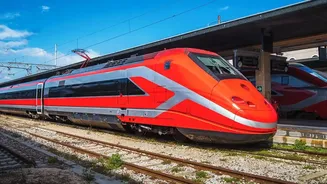
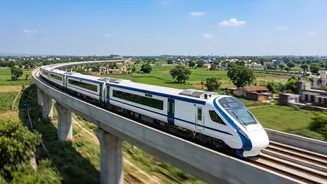
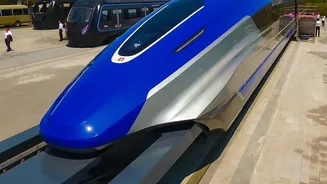
The most significant recent development is the completion of the first body shell of an indigenous bullet train. Railway Minister Ashwini Vaishnaw confirmed that this coach is now ready for critical 'squeeze testing'. This step is crucial as it validates
the structural integrity of the train's frame under immense pressure. More importantly, it marks a major achievement for the 'Make in India' initiative. The plan is to have this Indian-made bullet train on the tracks for testing by May or June 2027. Following a two-to-four-month trial period, the first service could be inaugurated. This tangible piece of hardware—a physical coach—moves the project from the realm of civil engineering into the next phase of manufacturing and operations.
A Quick Project Recap
The Mumbai-Ahmedabad High-Speed Rail (MAHSR) Corridor is India’s pioneering bullet train project. Spanning approximately 508 kilometres, it will connect Maharashtra and Gujarat via 12 stations, including major hubs like Mumbai (BKC), Surat, Vadodara, and Ahmedabad. The project is being developed by the National High Speed Rail Corporation Ltd (NHSRCL) with technological assistance from Japan's renowned Shinkansen system. The goal is to slash travel time between the two financial centres from around eight hours to just under two hours for the fastest services. The trains are designed to operate at speeds up to 350 kmph, introducing a new era of transport safety, speed, and reliability in the country.
The Journey So Far
Since its foundation stone was laid in 2017, the project has navigated a complex journey marked by significant progress and notable hurdles. Early years were dominated by the slow and challenging process of land acquisition, particularly in Maharashtra, which caused initial delays. However, construction has since gathered considerable pace. According to recent updates, work on the Vapi-Surat section is expected to finish by December 2026. Across the corridor, hundreds of kilometres of piers and girders are already in place, and track-laying work is underway in several sections in Gujarat. The project has also created substantial employment, with reports indicating that around one lakh people have been employed.
What This Means for the Timeline
The timeline is now becoming clearer, with officials planning a phased launch. The first operational section is targeted to be between Surat and Bilimora in Gujarat, with a launch date set for August 2027. This aligns with the schedule for testing the new indigenous trainsets. While this is a significant milestone, it is not the completion of the entire 508-km corridor. The full line, connecting all the way to Mumbai, is expected to be finished by 2029. This phased approach allows the railways to begin services and generate operational experience on completed sections while complex construction, such as the undersea tunnel in Maharashtra, continues.
The Bigger Picture for India
The bullet train project is more than just a fast train; it’s a catalyst for economic growth and technological self-reliance. The development of an indigenous high-speed train by Integral Coach Factory (ICF) and BEML is a massive step for Indian manufacturing. This reduces dependence on foreign technology for future corridors and builds a domestic ecosystem for specialised components. The project is also expected to boost regional economies by improving connectivity, attracting investment, and fostering urban development around the new stations. For passengers, it promises to revolutionize business and leisure travel, making same-day return trips between the two major cities a convenient reality.