







A Dawn Harvest in Coastal Karnataka
In the coastal district of Udupi, known for its revered temples and rich traditions, a new kind of agriculture is taking root. Farmers are transforming traditional paddy fields, which have become less profitable due to inconsistent rainfall and high labour
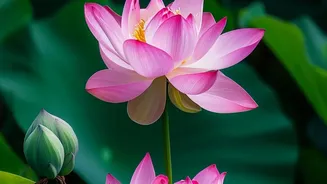
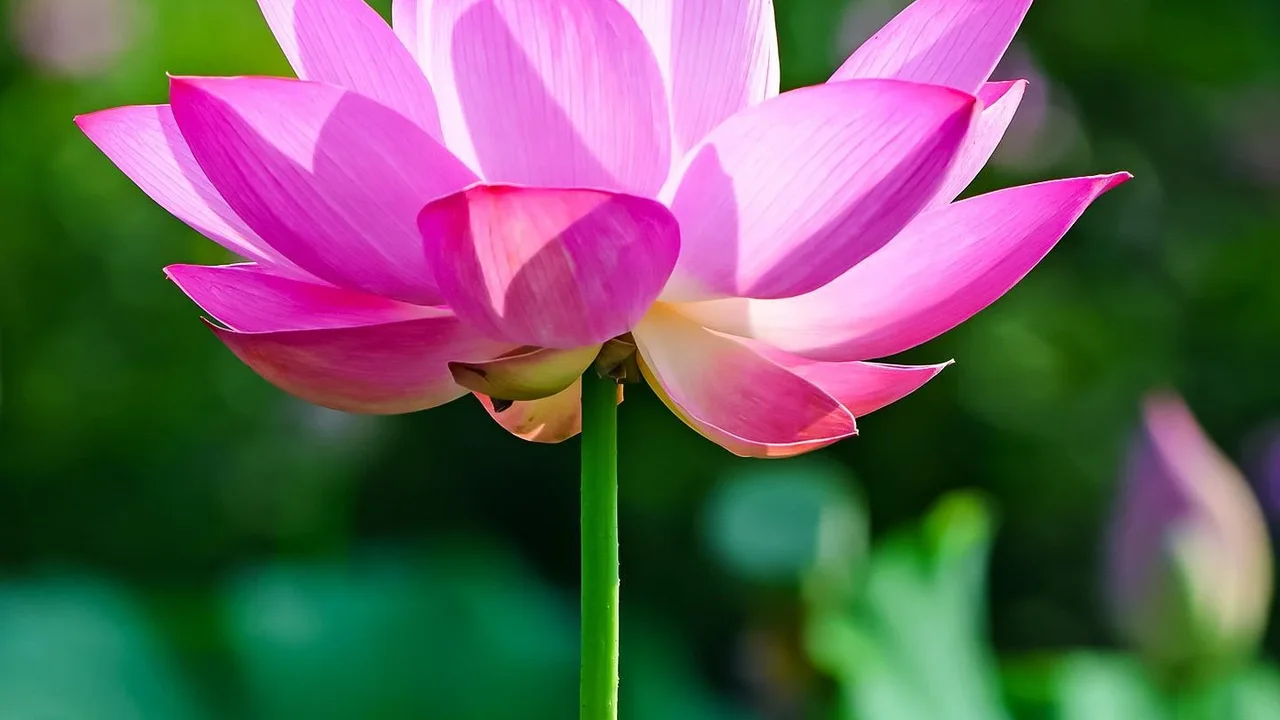
costs, into serene and lucrative lotus ponds. Every morning, workers wade into knee-deep water to harvest hundreds of fresh lotus flowers. These farms, often spanning several acres, utilize organic methods to cultivate different varieties like Pink Cloud and White Peony, which thrive in the coastal climate. The process begins long before flowering, with fields being ploughed and enriched with farmyard manure to create the ideal muddy bed for the sacred plant to grow.
The Farmer Pioneering the Bloom
This shift is championed by farmers like Manohar Shetty of Uliyaragoli in Kapu taluk. After facing repeated losses with paddy cultivation on his extensive land holdings, Shetty decided to experiment with lotus farming on a three-acre plot. The results were transformative. Within just 90 days of planting, the first flowers began to bloom, and soon his farm was producing between 400 and 500 flowers daily. This success has not only provided a steady income, with each flower fetching a good price, but has also positioned him as a role model. Shetty now actively encourages other local farmers to consider lotus cultivation, offering them technical guidance and helping connect them to established markets.
From the Mud to the Gods
The journey of the Udupi lotus is a sacred one. Harvested daily, the blooms are essential for the rituals of the region's prominent temples, including the famous Kollur Mookambika Temple and others in Ucchila and Kapu. Flower traders from Udupi's bustling markets also purchase the blooms directly, ensuring they reach local vendors and households. In Hindu tradition, the lotus, or 'Padma,' is a profound symbol of purity, divinity, and enlightenment. It represents the ability to rise from the muddy waters of worldly challenges and blossom untainted. This symbolism makes it a cherished offering at the feet of deities like Lakshmi, Vishnu, and Brahma, who are often depicted seated upon a lotus.
An Engine for the Local Economy
The benefits of lotus farming extend far beyond its spiritual significance. It is proving to be a highly profitable venture, with farmers potentially earning up to ₹1 lakh a month. This success story is a powerful example of crop diversification that can build resilience in the local agricultural economy. Furthermore, the entire plant holds commercial value. Beyond the flower, lotus stems can be used for textiles, the roots can be made into pickles, and the seeds are used in food products. This creates multiple streams of potential income, making it an attractive proposition for farmers looking for sustainable and profitable alternatives to traditional crops. This local supply chain, from farm to temple, strengthens community bonds and supports a circular economy rooted in tradition.