



The Foundation: Record-Breaking Heat
The primary driver behind this year's intense fire season is persistent and extreme heat. Europe, the world's fastest-warming continent, has been scorched by successive heatwaves since early in the summer. France, for instance, endured its hottest June
on record, and Spain is experiencing its hottest summer ever recorded. This isn't just uncomfortable; it's dangerous. Higher temperatures bake the landscape, evaporating moisture from soil and vegetation much faster than usual. This process turns forests and grasslands into highly flammable tinder, meaning a single spark from lightning or human activity can ignite a blaze that spreads with terrifying speed. Scientists at World Weather Attribution have found that human-caused climate change has made these searing heatwaves significantly more likely and intense.
The Pre-Condition: Widespread Drought
Heat and drought are two sides of the same coin. Months of below-average rainfall have left much of the continent in a state of severe drought, which is exacerbated by the extreme temperatures. This prolonged dryness means that plants, from small shrubs to large trees, are critically stressed and deprived of water. Their moisture content plummets, making them incredibly susceptible to ignition. A landscape under drought doesn't just burn more easily; it burns hotter and more completely. The European Union's Joint Research Centre has noted that a huge area of western and central Europe is under very extreme fire danger due to these dry conditions. This creates a volatile environment where fires can sustain themselves and resist containment efforts for longer periods.
The Accelerant: Powerful, Unpredictable Winds
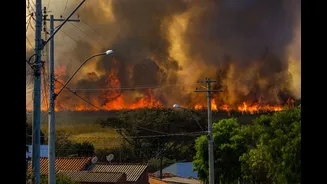
Once a fire starts in a hot, dry landscape, wind becomes its most dangerous ally. Strong and often erratic winds have fanned the flames across Greece, Spain, and France, pushing fires into new areas with alarming speed and making them nearly impossible to fight. Wind acts as an accelerant in two ways: it supplies a constant flow of oxygen that fuels the combustion, and it carries burning embers far ahead of the main fire front. These embers can create new spot fires, allowing the blaze to jump over natural barriers like rivers and roads that would otherwise help contain it. In Greece, fire officials reported that gale-force winds made determining the fire's direction incredibly difficult, complicating evacuation and firefighting strategies.
The Fuel: A Landscape Primed to Burn
The final element in this destructive recipe is fuel. In a cruel twist, a particularly wet winter in some regions, such as parts of Spain, led to significant growth of plant biomass. When the summer's intense heat and drought arrived, this abundance of vegetation dried out, creating a massive load of available fuel. This phenomenon, sometimes called "weather whiplash," sets the stage for more intense fires. Furthermore, long-term changes in land use, including rural depopulation and the abandonment of agricultural land, have led to less management of forests. This results in the accumulation of dead wood and undergrowth, providing even more material to burn when a fire does break out.