







What Exactly Is Negative Space?
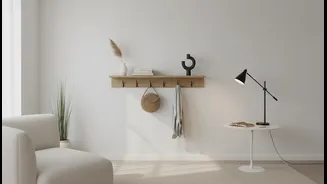
In interior design, negative space refers to the unoccupied areas around and between objects. It’s the blank section of a wall around a painting, the clear surface on a coffee table, or the floor space that lets a piece of furniture breathe. It’s often
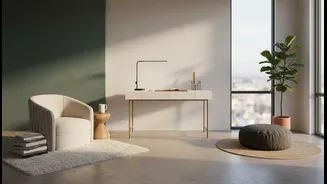
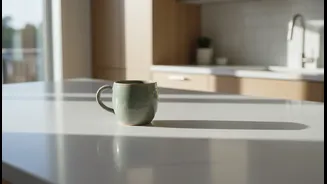
called 'white space' or 'breathing room,' and its job is to provide a visual pause, allowing our eyes to rest and make sense of a room. Without it, even a space filled with treasures can feel chaotic and overwhelming, causing sensory overload where nothing truly stands out. Think of it not as emptiness, but as an active ingredient that brings balance and clarity.
From 'Storage' to 'Showcase'
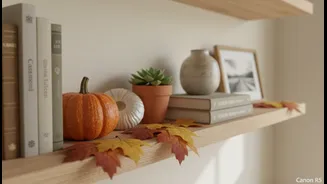
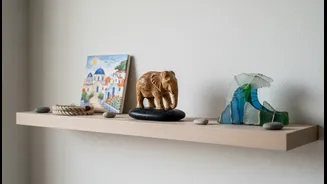
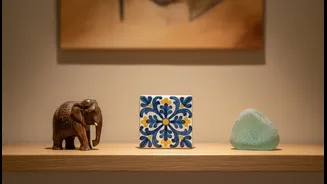
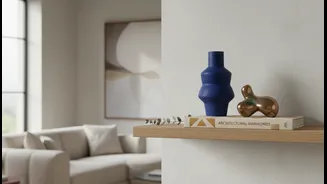
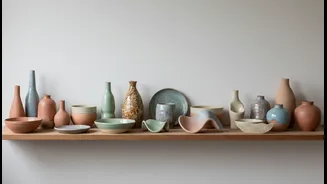
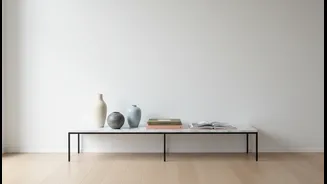
When every shelf, wall, and surface is packed, your cherished items start competing for attention. The result is that nothing gets the spotlight, and the collection begins to feel like clutter. Negative space is the tool that reverses this effect. By leaving intentional space around a beloved object or a curated group of items, you are essentially creating a frame. This breathing room tells the eye, 'Look here. This is important.' It elevates a simple vase, a stack of books, or a piece of art from just another thing in the room to a deliberate focal point. This transforms a display from feeling like storage into a confident, curated showcase.
It’s Not About Minimalism
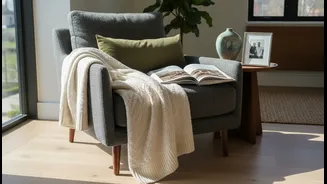
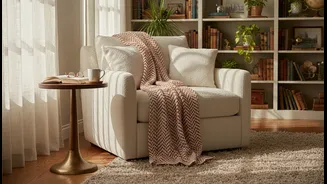
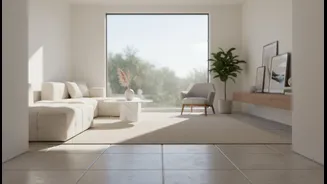
A common misconception is that using negative space means stripping your home of personality and embracing stark minimalism. This isn't the case. Negative space is about intentionality, not emptiness. A room can be rich, layered, and full of character while still using negative space effectively. The goal is to create a visual hierarchy—a mix of 'visual highs' and 'visual lows'—that guides the eye. A pattern-heavy sofa, for instance, can be balanced by a simple wall behind it. The aim is to find a rhythm between moments of interest and moments of calm, which makes a space feel both personal and peaceful.
How to Start Using Negative Space
You don’t need a complete overhaul to introduce negative space. Start small. Pick one surface, like a bookshelf or a console table. Remove everything and then put back only half, grouping items into a cohesive vignette. Leave a deliberate gap before the next grouping. Pull furniture slightly away from the walls to create flow. When hanging art, consider placing it off-center on a large wall; the surrounding emptiness becomes part of the composition, adding quiet drama. Even something as simple as leaving one shelf in a display cabinet empty can direct attention to the pieces you truly want to be noticed.
The Art of the Gentle Edit
Using negative space effectively often involves editing what you display, but this doesn’t mean you have to get rid of your things. It’s about curation. Think like a museum: not every piece from the permanent collection is on display at once. Rotate your objects. Store some of your collection and swap items out seasonally. This keeps your space feeling fresh and allows you to appreciate individual pieces more deeply. The goal is to resist the urge to fill every nook and cranny. By choosing what to feature, you give those items greater presence and importance, making your entire home feel more considered and serene.