


Understanding the Core Concepts
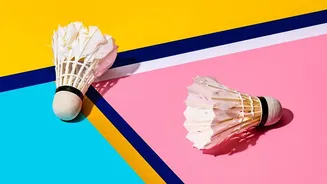
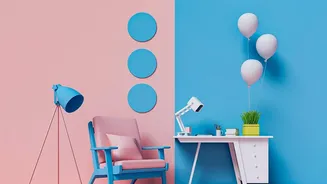
First, let's break down the terms. Colour-blocking is a design technique that involves pairing two or more solid blocks of colour together. This creates a bold, deliberate statement. The practice has its roots in early 20th-century art movements like
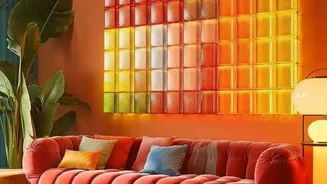
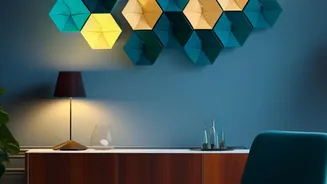
that of Dutch painter Piet Mondrian, who used grids of primary colours to create structure. Geometric art, on the other hand, uses fundamental shapes—circles, squares, triangles, and lines—to create patterns and compositions. When you combine these two ideas, you get wall art that uses defined shapes to deliver intentional blocks of colour, turning a simple wall into a dynamic focal point.
The Psychology of Colour
Colour is not just a visual element; it's an emotional one. The shades you choose have a direct impact on the atmosphere of a room. Warm hues like reds, oranges, and yellows evoke feelings of energy, warmth, and sociability, making them excellent choices for living rooms or dining areas where conversation flows. Conversely, cool tones such as blues, greens, and purples tend to promote calmness, relaxation, and focus. This makes them ideal for bedrooms and home offices. A colour-blocked piece allows you to play with these psychological triggers. You could use a dominant calming blue with a small, energetic pop of yellow to create a space that is both serene and inspiring.
The Power of Shape and Structure
Just as colours influence mood, geometric shapes influence our perception of a space. Shapes provide structure and can create a sense of order and balance. Squares and rectangles feel stable and grounded, providing a sense of security. Circles and ovals, with their lack of sharp angles, are softer and can create a feeling of harmony and movement. Triangles are dynamic and can direct the eye, adding a sense of energy and direction. In geometric art, the repetition and interplay of these shapes create a visual rhythm that is both intellectually satisfying and emotionally resonant. This structure can make a room feel more organized and cohesive.
How Colour and Geometry Work Together
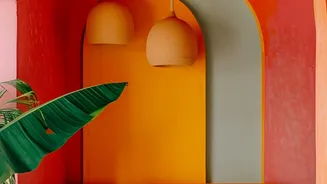
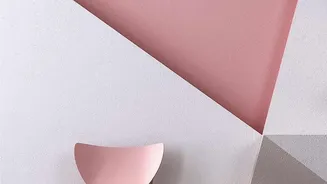
The magic happens when colour and geometry intersect. A piece of art isn't just a yellow circle; it's a block of joyful colour contained within a shape that represents unity. A series of sharp, grey triangles isn't just a pattern; it’s a dynamic arrangement that brings modern focus to a neutral palette. Colour-blocking gives the shapes their emotional weight, while the geometric forms provide a framework for the colour to express itself without becoming chaotic. This synergy allows you to define or even alter the perceived dimensions of a room. For example, vertical stripes or patterns can make a ceiling feel higher, while horizontal blocks can make a room appear wider.
Choosing the Right Piece for Your Home
When selecting a piece of geometric, colour-blocked art, think about the goal for your space. Do you want to create a calm retreat or an energetic hub? For a minimalist or Scandinavian-inspired room, consider a piece with a limited colour palette, like black and white or soft pastels, to maintain a serene aesthetic. For a more eclectic or boho space, feel free to embrace vibrant, contrasting colours that pull from other elements in the room, like your cushions or rug. Also, consider the scale. A single, large piece can serve as a powerful focal point above a sofa or bed, while a curated gallery wall of smaller prints can add visual interest to a hallway or study corner without overwhelming the space.