
A Cosmic Collision Course
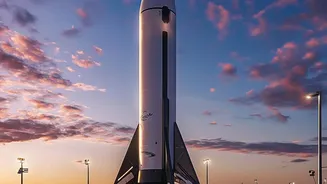
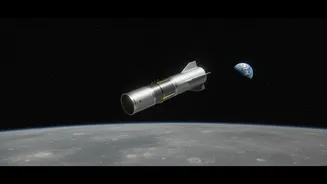
In recent years, the Moon has become an unintentional graveyard for spent rocket stages. These are upper stages of rockets that, after delivering their payloads like satellites or landers, are left in chaotic orbits between the Earth and Moon. Solar radiation
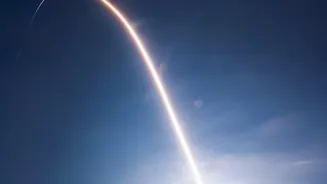
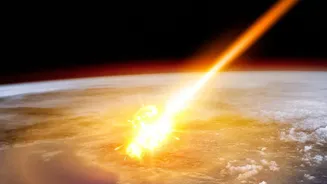
and gravity can nudge these defunct pieces of hardware, sometimes weighing several tonnes, onto a collision course with the lunar surface. A notable example from August 2026 involved a SpaceX Falcon 9 upper stage, while an impact in March 2022 was attributed to a Chinese rocket booster. These events, while unplanned, provide a unique scientific opportunity, but first, scientists must answer a crucial question: where exactly did it hit?
The Art of Prediction
Finding a new crater begins long before the impact. It starts with tracking. Astronomers use ground-based telescopes to observe the object, measuring its brightness and position over time to calculate its trajectory. This allows them to predict the approximate time and location of the crash. However, this is not a perfect science. The object's path can be altered by factors like solar radiation pressure, making it difficult to pinpoint the exact impact zone. Predictions can narrow the search area, but finding the resulting crater still requires a meticulous search of the vast, already pockmarked lunar landscape. The predicted crash site for the August 2026 impact was near the Moon's terminator line, the boundary between its light and dark sides.
Before and After: The Smoking Gun
The key to confirming an impact is high-resolution imagery. This is where spacecraft like NASA’s Lunar Reconnaissance Orbiter (LRO) become indispensable. The LRO has been mapping the Moon in incredible detail for over a decade. To find a new crater, scientists use a simple but effective technique: they compare 'before' images of the predicted impact zone with 'after' images taken once the orbiter passes over the area again. By digitally subtracting one image from the other, any new features stand out. South Korea's Danuri orbiter successfully used this method to spot the crater from the Falcon 9 impact, capturing before-and-after footage to analyse the changes.
Identifying the Scar
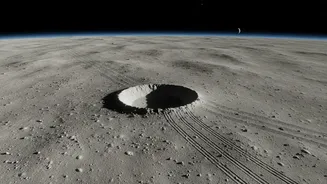
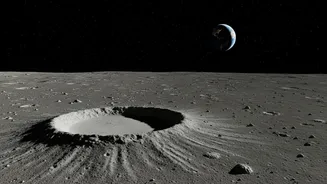
A new impact doesn't just create a simple bowl-shaped hole. Fresh craters have tell-tale signatures. They are often surrounded by a bright blanket of ejecta—pulverised rock and dust blasted from the surface. This material is bright because it hasn't been exposed to the harsh space environment, which gradually darkens the lunar surface over thousands of years. Sometimes, the crater's shape itself provides clues. The 2022 Chinese rocket impact surprisingly created a double crater, suggesting the booster had large masses at each end. This was an unexpected finding, as spent boosters are typically heavier at the engine end. This strange formation helped scientists theorise about the nature of the impacting object.
Why This Cosmic Forensics Matters
Locating these artificial craters is more than just a celestial scavenger hunt. Each impact is an unplanned experiment that provides valuable data. By studying the size and shape of the crater and the pattern of the ejecta, scientists can better understand the physics of high-velocity impacts. These events help refine models about how craters form and reveal properties of the lunar regolith, or soil, in that specific area. Furthermore, these impacts serve as a stark reminder of the growing problem of space debris. Tracking and understanding where this hardware ends up is crucial for the safety of future lunar missions, both robotic and crewed, as even small debris can pose a significant hazard.