



The World's Most Crucial Waterway
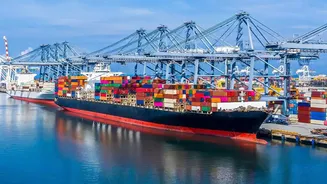
The Strait of Hormuz connects the Persian Gulf to the open ocean, acting as the primary maritime route for the oil and gas wealth of the Middle East. In the era of stability before the recent conflict, an average of 20 million barrels of oil passed through
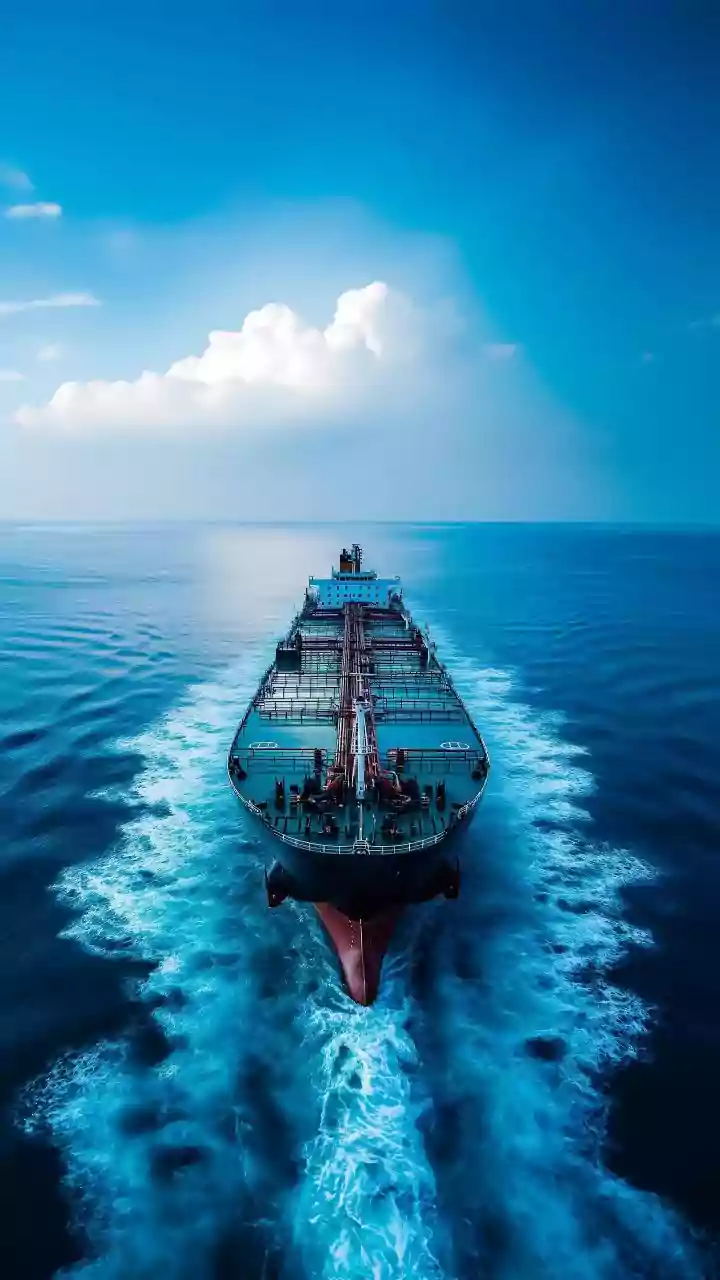
this chokepoint every day. This staggering volume represented about a fifth of global petroleum consumption and a quarter of all seaborne oil trade. The navigable channels for the world's largest supertankers are even narrower—just two miles wide in each direction. This geographic reality concentrated immense economic importance into a tiny, vulnerable space, making it arguably the most critical chokepoint for the global economy.
An Energy Lifeline for Asia
The flow was not just a number; it was a lifeline, particularly for Asia. An overwhelming majority of the crude oil transiting Hormuz—nearly 90%—was destined for Asian markets. Countries like China, Japan, South Korea, and India were the primary recipients. For India, this dependency was especially pronounced. Before the recent disruptions, various estimates suggested that between 40% and 65% of India’s crude oil imports navigated this very strait. Furthermore, over half of the nation's Liquefied Natural Gas (LNG), crucial for power generation and fertilizer production, came via Hormuz, mostly from Qatar. This reliance meant that any disruption in the strait had the potential to directly impact India's economic stability, from fuel prices at the pump to the cost of everyday goods.
The Global Gas Station
Beyond oil, the strait was the main export route for nearly 20% of the world's LNG. Qatar, formerly the world's second-largest LNG exporter, sent nearly all of its shipments through Hormuz. Unlike oil, which has some limited bypass pipelines, there were no viable alternative routes for Qatari LNG. This made the global gas market exceptionally vulnerable to a Hormuz closure. A disruption would strand massive volumes of gas, equivalent to double the amount that flowed through the Nord Stream pipeline in 2021, with no other producers capable of filling the gap at short notice. This steady supply of LNG was critical for heating homes in Europe and powering industries across Asia.
A System of Choreographed Security
The consistent and safe passage of millions of barrels of fuel was not an accident. It was the result of a complex, often unstated, security arrangement underpinned by international maritime law and naval power. The principle of 'transit passage' allows for continuous and expeditious navigation through international straits, a right exercised by commercial vessels and warships alike. International naval forces have long patrolled the region to deter threats and ensure this freedom of navigation. This security umbrella, though sometimes contentious, created the predictable environment necessary for global markets to function. Insurers, shipping companies, and energy traders built their models on the assumption that this vital waterway would remain open, a testament to the stability that once prevailed.