



The Case for Mushrooms: B Vitamin Powerhouse
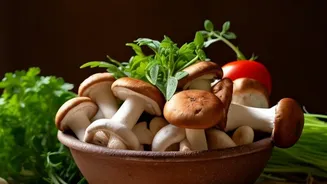
Mushrooms are often celebrated for their savoury, umami flavour, but their nutritional profile is just as impressive. They are a fantastic source of several B vitamins, which are crucial for helping your body convert food into energy. Specifically, many
common varieties like cremini and portobello are rich in riboflavin (B2), niacin (B3), and pantothenic acid (B5). These vitamins play essential roles in maintaining a healthy nervous system, producing hormones, and keeping your skin healthy. Beyond B vitamins, mushrooms are a source of the powerful antioxidant selenium. Selenium helps protect your body's cells from damage that can lead to chronic diseases and supports a healthy immune system. Some mushrooms, especially those exposed to UV light, are also one of the few plant-based sources of vitamin D, which is vital for bone health.
The Zucchini Argument: Vitamin C and Potassium Champion
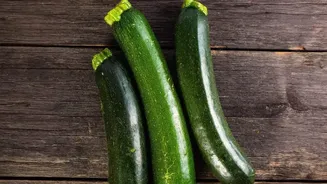
Zucchini, technically a fruit but treated as a vegetable in cooking, brings its own set of strengths to the table. Its standout nutrient is vitamin C, a potent antioxidant that supports the immune system and is essential for producing collagen, which helps keep skin, bones, and tissues healthy. One medium zucchini can provide a significant portion of your daily vitamin C needs. Zucchini is also an excellent source of potassium, a mineral that is vital for maintaining healthy blood pressure and proper heart function. Furthermore, it is rich in other antioxidants like lutein and zeaxanthin, which are known to support eye health by protecting against age-related conditions. The peel of the zucchini is particularly nutrient-dense, containing much of its fibre, vitamin C, and vitamin B6, so it's best to eat it unpeeled.
A Nutritional Face-Off: Calories, Fibre, and Protein
When comparing them side-by-side on other metrics, both vegetables are clear winners for a healthy diet. They are both very low in calories, making them excellent for weight management. A cup of sliced mushrooms contains around 15 calories, while a medium zucchini has about 33 calories. In terms of fibre, which is crucial for good digestion, they are quite similar, though some data suggests zucchini has a slight edge. Fibre helps you feel full longer and promotes a healthy gut. When it comes to protein, both offer a modest amount, with a medium zucchini providing slightly more protein than a cup of mushrooms. However, mushrooms are often noted for their higher protein content compared to most other vegetables. Ultimately, both contribute valuable fibre and some protein to your meals with minimal calories.
Best Ways to Cook for Maximum Nutrients
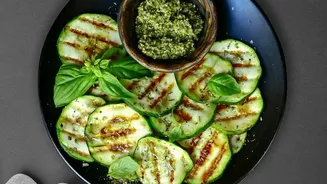
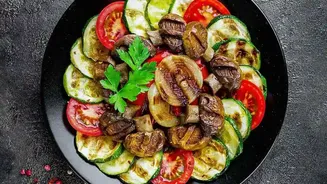
How you prepare these vegetables can impact their nutritional value. For zucchini, eating it raw offers the most nutrients, particularly its water-soluble vitamin C, which can diminish with heat. Lightly cooking methods like sautéing or steaming are better than boiling to preserve its vitamins. When sautéing zucchini, it's best to cook it until it is tender-crisp to avoid it becoming mushy and losing nutrients. For mushrooms, cooking can actually be beneficial. The heat helps break down their tough cell walls, making their nutrients more available for your body to absorb. Sautéing or roasting mushrooms until they are golden brown not only enhances their flavour but also helps concentrate their nutrients. Avoid washing mushrooms by soaking them in water, as they act like sponges and can become soggy; instead, wipe them clean with a damp cloth or a soft brush.
The Verdict: A Perfect Pair for the Indian Kitchen
So, which is healthier? The truth is, there's no single winner. The best choice depends on your specific health goals. If you're looking to boost your energy metabolism and intake of B vitamins, mushrooms are an excellent choice. If you need more vitamin C for immunity or potassium for heart health, zucchini is the way to go. The ideal approach is to include both in your diet. They complement each other not just nutritionally, but also in the kitchen. Think of a hearty mushroom matar, a flavourful kadai mushroom, or a light and healthy zucchini sabzi. You can easily combine them in stir-fries, pasta dishes, and mixed vegetable curries. By enjoying both, you get a wider spectrum of vitamins, minerals, and antioxidants.