

The Language of the Pan
Anyone who has watched a grandparent or a seasoned cook make a traditional Indian sweet has likely seen it: that moment of magic when, after minutes of constant stirring, the molten mixture suddenly comes together. It forms a single, glossy mass that gracefully
pulls away from the hot sides of the kadai (a traditional wok-like pan). This isn't just a quaint observation; it's the most reliable sign that the halwa is perfectly cooked. While a timer is indifferent, the pan tells a story of transformation. This visual cue signals that a series of chemical and physical changes have concluded, and your dessert has reached its peak texture and flavor. Relying on this sign, rather than a clock, is a hallmark of intuitive cooking and a skill that elevates a good cook to a great one.
The Science of Separation
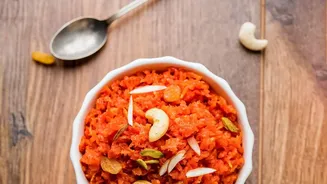
So, what's actually happening in the pan? It’s a delicious trifecta of science. First, moisture evaporates. Whether you're making Aloo Halwa (potato), Gajar Halwa (carrot), or Moong Dal Halwa (lentil), the base ingredient is cooked with milk, water, and sugar. The continuous stirring over heat cooks off this excess liquid. Second, sugar caramelizes. As the water content drops, the temperature of the mixture rises, allowing the sugar to caramelize, which not only deepens the flavor but also helps the structure of the halwa become firm. Finally, and most critically, the ghee separates. At the start, the ingredients absorb the ghee. As they cook and moisture is driven out, the fat is released. This rendered ghee creates a slick, non-stick layer between the halwa and the pan, allowing it to move as one cohesive unit.
Mastering the Aloo Halwa Technique
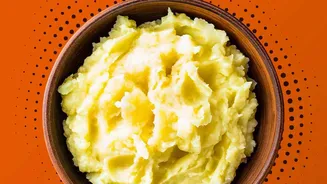
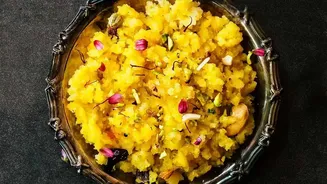
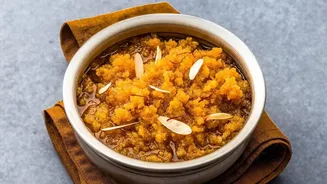
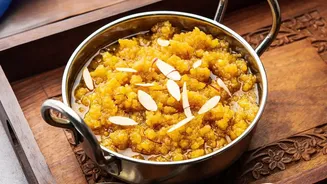
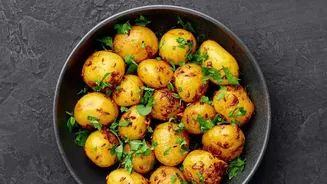
Aloo Halwa, a popular sweet especially during fasting periods like Navaratri, is a perfect dish to practice this technique. It’s simpler than many other halwas but follows the same core principle. You start with boiled, peeled, and well-mashed potatoes. The first key step is to sauté the mashed potatoes in ghee over a low-medium flame, stirring constantly. This stage is about removing the raw potato taste and can take around 10-12 minutes until a pleasant aroma emerges. Next, you add the sugar. This will cause the mixture to become runny and loose as the sugar melts. Don't panic; this is normal. Continue to stir, and as the moisture cooks off, you'll witness the magic. The mixture will thicken and start to come together. Within minutes, it will form a glossy mass that no longer sticks to the pan. That's your signal. Add your cardamom and nuts, give it one final mix, and it's done.
Ghee is the Golden Signal
In the world of halwa, ghee is more than just a fat; it’s a flavouring, a cooking medium, and a crucial indicator of doneness. You'll notice in many recipes that ghee is added both at the beginning and sometimes near the end. When the halwa is approaching its final stage, it begins to 'ooze' or release the ghee it had previously absorbed. This is a fantastic visual confirmation that you're on the right track. The pan will look glossy, and you'll see a shimmering layer of ghee pooling around the edges of the halwa. This release of fat is precisely what allows the halwa to stop sticking and pull away cleanly. Don’t be tempted to skimp on the ghee; it is essential for achieving the correct texture and for providing this vital visual cue. A heavy-bottomed pan is also your best friend, as it ensures even heat distribution and prevents the sugar from scorching.
Beyond the Potato
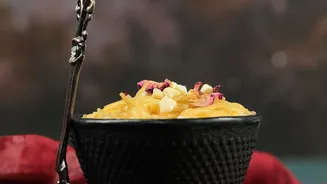
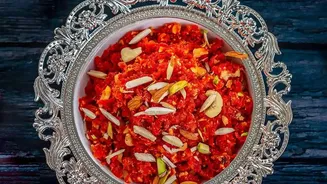
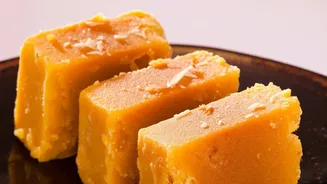
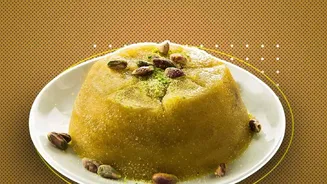
This principle isn't limited to Aloo Halwa. It is a universal rule across the spectrum of Indian sweets. For the rich and laborious Moong Dal Halwa, watching for the mix to leave the sides of the pan and release ghee is the sign that hours of stirring have paid off. For Gajar ka Halwa, adding sugar only after the milk has been fully absorbed and then cooking until the mixture thickens and leaves the sides is critical for the right texture. The same cue applies to Suji Halwa (semolina) and Atta Halwa (wheat flour). Learning to recognize this moment is to understand the language of Indian dessert-making. It's a sign that you have cooked out enough moisture for a good shelf life, developed enough flavour through caramelization, and achieved the perfect, melt-in-your-mouth texture.