





A New Vision for God's Own Country
Kerala's tourism story has long been one of success, but with that success came challenges like overtourism in popular spots and concerns about the environmental impact. In response, the state has embarked on a pioneering journey to embed sustainability
into its DNA. The cornerstone of this transformation is the Responsible Tourism (RT) Mission, a government-led initiative launched in 2007 and expanded significantly since. The mission's goal is to make tourism a tool for the development of local communities, with a 'triple bottom-line' focus on economic, social, and environmental responsibility. This isn't just about eco-friendly hotels; it's a fundamental rethinking of who benefits from tourism and how the state's natural and cultural heritage is preserved for the future. The initiative has already gained global recognition, bagging numerous international awards that highlight its success and replicability.
From Spectators to Stakeholders
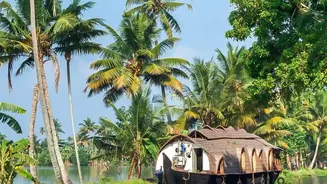
The most revolutionary aspect of Kerala's new approach is its focus on community participation. For too long, local residents in many tourist hotspots were passive observers of an industry that operated around them. The RT Mission changes that by turning them into active partners and direct beneficiaries. This is achieved by creating strong linkages between hotels, resorts, and local producers. Self-help groups, often run by women, are trained to supply everything from fresh produce to traditional meals for hotels and houseboats. The model encourages the creation of homestays, where visitors can experience authentic local life, providing direct income to families. Through this framework, the government has established a system where tourism revenue is channelled back into the village economy, empowering residents and ensuring that growth is inclusive.
The Traveller's New Itinerary
So, what does this shift mean for a visitor? It means a richer, more authentic, and more meaningful travel experience. The focus has moved beyond just sightseeing to 'experiential tourism'. Instead of simply watching a Kathakali performance, travellers can visit the artists' village. Instead of just eating a meal, they can take a cooking class in a local home. New tourism packages centre on village life experiences, allowing visitors to try their hand at coir-making, watch toddy tappers at work, or take canoe tours through narrow, less-travelled canals with local guides. Projects like STREET (Sustainable, Tangible, Responsible, Experiential, Ethnic Tourism) are developing entire corridors based on these principles, like the award-winning water street project in Maravanthuruthu and the sustainable initiatives in Kadalundi. This approach offers a deeper connection to the place and its people.
Real Impact, Recognised Globally
This isn't just a well-marketed concept; the results are tangible and have earned Kerala a place on the global stage for sustainable practices. Destinations like Kumarakom, one of the initial pilot villages, are now benchmarks for community-led tourism. The state's initiatives have been repeatedly recognised with accolades like the Global Responsible Tourism Award and multiple ICRT (International Centre for Responsible Tourism) awards. These honours celebrate specific achievements, such as women-inclusive projects, local sourcing of food and crafts, and water conservation efforts. The consistent recognition validates Kerala's model as a practical and successful framework that other destinations in India and around the world can learn from. Tourism Minister P.A. Mohamed Riyas has stated that these awards reflect the universal appeal and commitment to inclusive tourism that benefits local communities directly.