
Creating Your Safe Dance Zone
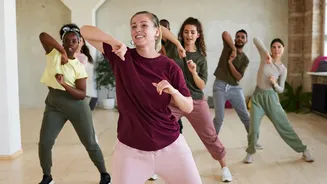
The most fundamental requirement for a home Zumba session is adequate space. You need enough room to move forward, backward, and side-to-side without bumping into furniture or walls. Experts suggest a clear area of at least six by six feet. Before you
start, take a moment to scan your environment. Remove any potential slip or trip hazards like rugs, toys, or stray objects. A cluttered space not only restricts your movement but can also lead to accidents and injuries. Creating this dedicated zone helps you mentally shift into workout mode, reduces distractions, and allows you to move with the freedom and confidence needed for a high-energy dance routine.
The Critical Role of Footwear
Zumba is not like running; it involves a high degree of lateral movement, pivots, and quick turns. For this reason, wearing the right shoes is non-negotiable for preventing injury. Many experts advise against using running shoes. Running shoes are designed for forward motion and typically have a heavy tread with a strong grip, which can cause your foot to stick to the floor during a pivot, potentially leading to knee, ankle, or hip injuries. Instead, look for cross-training or dance fitness sneakers. These shoes are more flexible, lightweight, and have soles with less tread, sometimes featuring a pivot point—a small, smooth circle on the sole—that facilitates easier turning and twisting. The right shoe provides a blend of cushioning to absorb impact and firm support for your arches and ankles.
Considering Your Floor Surface
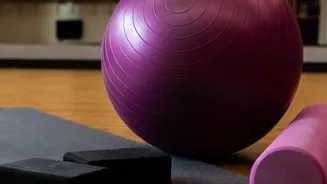
The surface you dance on significantly impacts your workout. Hardwood or laminate floors are often considered ideal because they provide a smooth surface that's easier on the joints. If your workout space is carpeted, be aware that it can create more friction, making pivots more difficult and increasing strain. In this case, shoes with a smoother sole become even more important. Conversely, unforgiving surfaces like concrete or hard tile can increase the impact on your joints. If you have a hard floor, you might consider using interlocking foam or rubber gym mats to provide extra cushioning and shock absorption. These can create a more comfortable and safer surface for the high-impact jumps and steps common in Zumba routines.
Don't Forget the Fundamentals
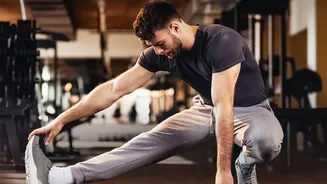
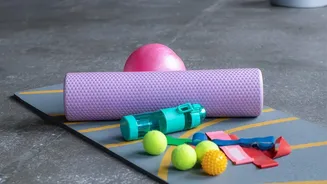
Beyond space and shoes, other fitness fundamentals are crucial for a safe home practice. Always start with a 5-to-10-minute warm-up to prepare your muscles for activity, and finish with a cool-down and stretching to aid recovery and prevent stiffness. Hydration is also key; you will sweat a lot during a Zumba session, so keep a water bottle nearby and drink often to avoid dehydration, which can impair coordination. Most importantly, listen to your body. If a particular move causes pain, modify it or take a break. It is recommended to have rest days between high-intensity sessions to allow your body to recover and prevent overuse injuries.