





The Real Deal: 'Our Living Islands'
The headlines often get it wrong; Ireland isn't paying people to move to its islands. The financial incentive is part of a broader, 10-year government strategy called 'Our Living Islands'. Launched in 2023, its primary goal is to revitalise the communities
on approximately 30 offshore islands that are not connected to the mainland by bridges. Over the years, many of these island populations have dwindled as younger residents leave for education and jobs elsewhere. The policy aims to reverse this trend by improving infrastructure, healthcare, and digital connectivity, and by encouraging people to set up permanent homes.
It's a Renovation Grant, Not a Relocation Cheque
The money, which can be as much as €84,000 (roughly $90,000 USD), is not a cash handout for moving. It is a grant specifically to cover the costs of renovating a vacant or derelict property. This scheme, known as the Croí Cónaithe (Towns) Fund, already existed on mainland Ireland, but the 'Our Living Islands' policy provides a 20% top-up to applicants on the islands to reflect the higher costs of construction there. The grant must be used for substantial work like structural repairs, new roofing, insulation, and plumbing—not for cosmetic touches or furniture. You must spend the money first and then get reimbursed by the local council.
How Much Money Are We Talking About?
The amount you can receive depends on the condition of the property you buy. For a home that is simply vacant, the grant provides up to €60,000. If the property is classified as derelict—meaning it's structurally unsound—you can apply for an additional top-up, bringing the potential total to €84,000. This is a significant contribution, but given the state of some of these old buildings, renovation costs can often exceed the grant amount. It is crucial for applicants to have their own funds for both the property purchase and any shortfall in the renovation budget.
Who Is Eligible to Apply?
The scheme has several important conditions. To qualify, you must have already purchased or be in the process of purchasing a qualifying property. The house must have been built before 2008 (or 1993, according to some sources) and must have been vacant for at least two years. Crucially, you must intend to live in the property as your principal private residence once the work is complete, or make it available for long-term rental. The program is not just for Irish or EU citizens; foreigners can apply. However, receiving the grant does not give you the right to live in Ireland. You must separately meet Ireland’s immigration requirements for residency, which is a key detail many viral reports overlook.
The Islands and the Lifestyle
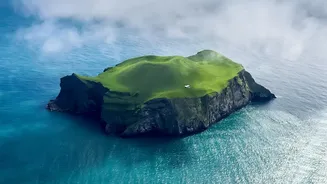
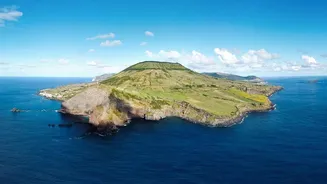
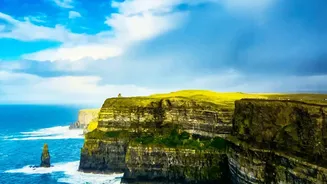
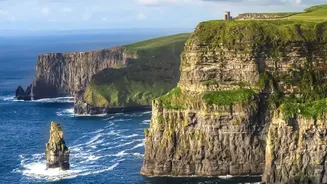
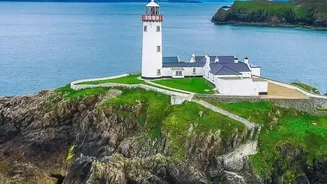
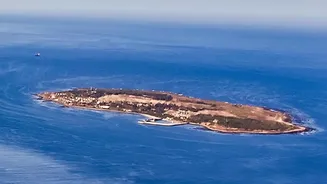
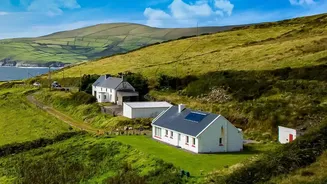
The policy covers islands across the country, from the Aran Islands in County Galway, made famous by the film 'The Banshees of Inisherin', to Toraigh Island in County Donegal and Bere Island in County Cork. Life on these islands offers stunning beauty and a tight-knit community feel, but it also comes with challenges. Residents rely on ferries for transport, and services can be less frequent than on the mainland. The 'Our Living Islands' policy is also working to improve these aspects, but prospective residents should be prepared for a quieter, more self-reliant way of life that is dictated by tides and weather, not just a government cheque.