








Why Your Documents Are a Goldmine for Scammers
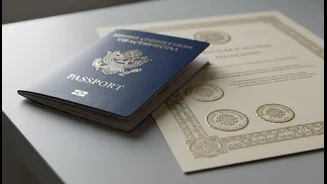
It might seem like a standard step in the booking process, but uploading a copy of your passport or other identification is a moment that requires maximum caution. These documents are incredibly valuable on the dark web. Scammers can use your full name,
date of birth, passport number, and photo to commit identity theft, apply for loans in your name, or create fraudulent documents. A McAfee report revealed that nearly half of Indian travellers have fallen victim to travel-related scams, with many losing significant amounts of money. The risk isn't just financial; compromised travel documents can lead to serious legal and logistical problems, potentially disrupting your travel plans or worse.
The First Five-Second Check: URL and Padlock
Before you even think about uploading a file, look at the website’s address bar. First, ensure the URL begins with “https://” and not just “http://”. The 's' indicates a basic layer of security, meaning the data transferred between you and the site is encrypted. Second, scrutinize the domain name itself. Scammers often create “clone” websites that look nearly identical to legitimate ones but have a slightly altered URL. For example, they might use “airline-deals.com” instead of the official “airline.com”. Be wary of typos, extra words, or unusual domain endings. A legitimate company will almost always have a professional and correctly spelled web address.
Dig a Little Deeper: Who Owns This Website?
For a more thorough check, you can use a WHOIS lookup service. A WHOIS search provides public information about who registered a domain name, when it was registered, and the owner's contact information. Several free online tools, including those from GoDaddy and Wix, allow you to do this. Key red flags to look for are a very recent registration date or contact information that seems vague or is hidden behind a privacy service. While privacy services aren't inherently suspicious, a brand-new travel site using one should raise your guard. A legitimate, established travel company will typically have a transparent registration history.
Examine the Website’s Quality and Content
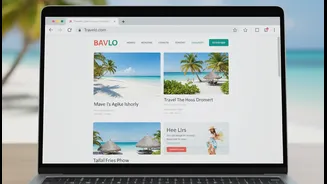
Professional travel companies invest in high-quality websites. Take a moment to assess the site's overall appearance and functionality. Are there numerous spelling and grammar mistakes? Are the images blurry or low-quality? These are often signs of a hastily built fake site. A trustworthy website will also have clear and accessible pages for its privacy policy, terms of service, and contact information. If you can't easily find a physical address, a working phone number, or a detailed privacy policy explaining how your data is used, treat it as a major red flag. Vague promises, high-pressure tactics like “book now or lose the deal,” and an exclusive reliance on WhatsApp for communication are also common scam indicators.
Always Go to the Official Source for Visas
When it comes to applying for an electronic visa (eVisa) or any official government travel authorisation, the safest route is always through the official government portal. Third-party visa services exist, but they add a layer of risk. Scammers excel at creating fake visa application sites that mimic official ones. These sites may overcharge for services or simply steal your information and payment. To find the correct website, use a search engine but be critical of the results. Official government domains often have specific endings (like .gov or .govt.in). Double-check the URL with the embassy or consulate of the country you plan to visit.