





A Sweet with Sacred Origins
The tradition of offering the laddu at the Tirumala Venkateswara Temple is a practice steeped in history, beginning on August 2, 1715. Before the laddu became the principal offering, other items were presented. Initially, the sweet was prepared as Manoharam,
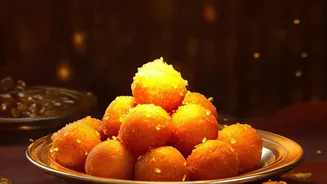
a looser, chunkier delicacy. The spherical laddu that devotees cherish today was standardized around 1940, not long after the Tirumala Tirupati Devasthanams (TTD) was formed in 1932 to manage the temple's affairs. This shift marked the beginning of the laddu's journey to becoming the temple's iconic prasadam, replacing earlier offerings and solidifying its place in the hearts of pilgrims.
The Divine Recipe and the GI Tag
The secret to the laddu's consistent taste lies in a strictly followed list of ingredients and proportions known as the 'Dittam'. The core components include high-quality gram flour, sugar, pure ghee, cashew nuts, raisins, cardamom, and sugar candy. The sheer quantity of these ingredients is staggering, with the temple kitchen using tonnes of sugar, flour, and ghee daily to meet demand. To protect this unique heritage from imitation and ensure authenticity, the Tirupati Laddu was granted a Geographical Indication (GI) tag in 2009. This legal protection means the name 'Tirupati Laddu' can only be used for the prasadam made within the temple's sacred kitchen, known as the 'Potu', according to the official, historic formula. This makes it the first temple prasadam in India to receive such a designation, safeguarding its spiritual and culinary integrity.
A Kitchen That Never Sleeps
The 'Potu' is the heart of the laddu-making operation, a massive, modern kitchen designed for colossal output. While it was once a manual process reliant on firewood, the kitchen was modernized in 1984 with the introduction of LPG and has since incorporated advanced equipment, including conveyor belts to transport ingredients and finished laddus. Today, the kitchen is a hive of activity, with over 600 skilled cooks, known as 'Pachakas', involved in the production. The scale is immense, with the TTD preparing an average of over four lakh laddus daily to satisfy the spiritual and temporal hunger of the visiting devotees. During peak seasons and festivals, this number can be even higher, supported by a buffer stock to ensure no devotee leaves empty-handed.
Consistency as a Form of Blessing
Ensuring that every single laddu—out of the millions sold each month—has the same taste, texture, and aroma is a monumental task. The TTD achieved a record sale of 1.26 crore laddus in June 2026, a testament to its efficient production and distribution system. This uniformity is not just a matter of quality control; for the devotee, it is a crucial part of the experience. The consistent flavour is a tangible connection to the divine, a reliable and unchanging blessing from Lord Venkateswara. The 'Dittam' specifies the exact weight and composition for each laddu, with the standard 'Proktham Laddu' weighing between 165 and 175 grams. By adhering so strictly to the historic formula and modernizing the process, the TTD ensures that every pilgrim, regardless of when they visit, receives the exact same sacred offering that has been cherished for generations.