
The Core Problem: A Water-Guzzling Legacy
The story of Punjab's agricultural crisis is a paradox of success. The Green Revolution turned the state into India's food bowl, but it also cemented a monoculture of water-intensive paddy and wheat. This cycle is sustained by a system of guaranteed Minimum
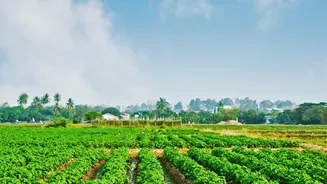
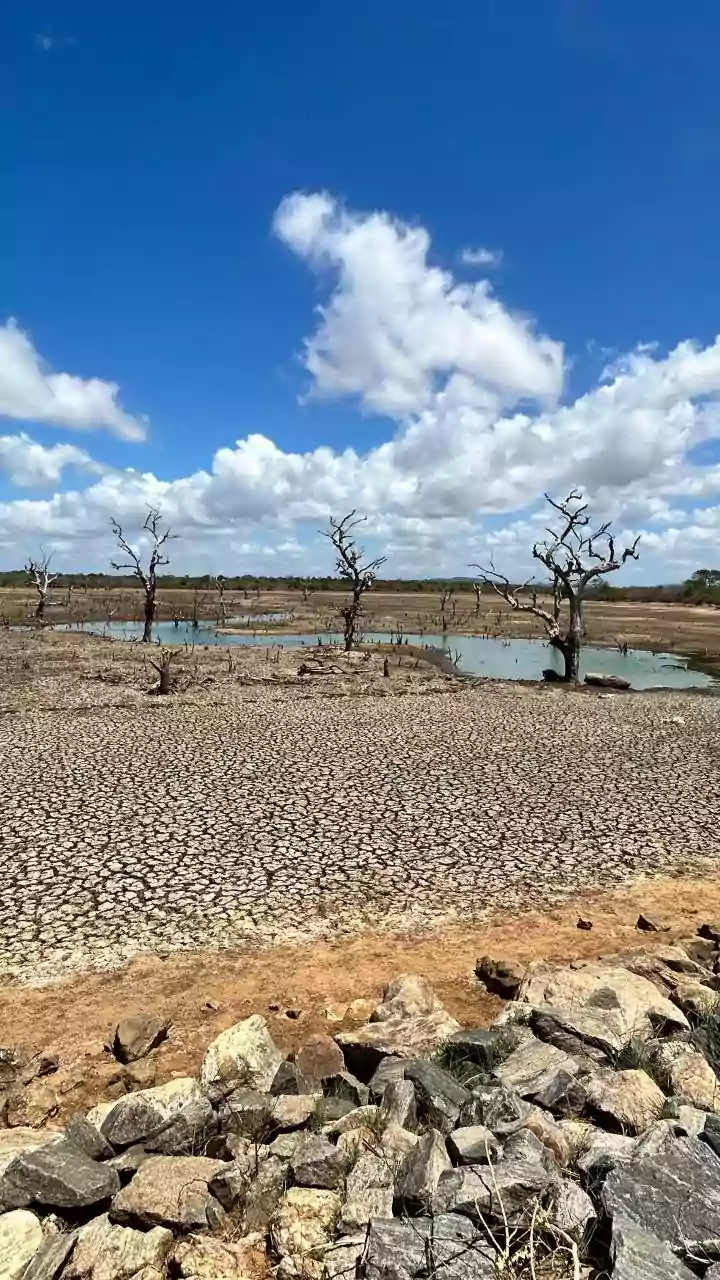
Support Price (MSP) and government procurement, offering farmers a level of financial security few other crops can match. The environmental fallout, however, has been catastrophic. Punjab is now the highest extractor of groundwater in India, pulling out over 150% of its annual replenishable supply. A recent study by Punjab Agricultural University (PAU) warned that the state is losing groundwater at an average rate of over half a meter annually. This has forced farmers into a costly race to the bottom, drilling deeper borewells and increasing their reliance on free electricity for pumping, a policy that inadvertently encourages over-extraction.
The News: A Renewed Push for Maize
In response, the Punjab government has intensified its efforts to promote alternatives. The flagship initiative for 2026 is the expansion of a scheme to encourage farmers to switch from paddy to kharif maize. Following a pilot project in six districts, the government has expanded the program to 16 districts for the 2026-27 season. The scheme offers a financial incentive of ₹17,500 per hectare to farmers who make the switch. The process is supported by a digitized portal for registration and subsidy disbursal to ensure transparency. Beyond maize, the state is also promoting Direct Seeded Rice (DSR), a water-saving planting technique, with a budget of ₹40 crore for incentives. These moves signal a clear policy direction, aiming to make diversification more appealing.
The Scale: Ambition vs. Reality
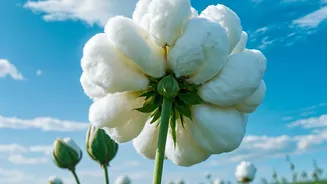
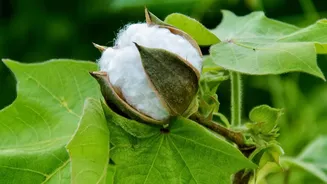
While the government's initiatives are a step forward, their scale highlights the sheer size of the challenge. The expanded maize scheme aims to cover about 20,000 hectares (around 50,000 acres). This figure, however, is a drop in the ocean compared to the more than 3.2 million hectares dedicated to paddy cultivation in the state. Experts note that even with the incentives, the total area under maize has remained largely stagnant for years. The target for cotton, another key alternative, is set at 1.25 lakh hectares, a marginal increase from the previous year. Studies suggest that current financial incentives are insufficient to trigger a large-scale shift, with one analysis finding that only 17-20% of the targeted paddy area would likely convert under the existing scheme. The economic pull of paddy remains overwhelmingly strong.
The Status: Why Farmers Hesitate
The primary hurdle for diversification is economics. The MSP regime for wheat and paddy provides an unparalleled safety net that alternative crops lack. Farmers shifting to maize, cotton, or pulses often face price volatility and the absence of an assured government buyer, leaving them vulnerable to market fluctuations. For example, farmers have previously seen market prices for alternative crops like sunflower and maize fall significantly below the announced MSP. Furthermore, there are structural challenges. Alternative crops may require different machinery, have a higher risk of pest attacks, and lack the well-established market linkages and storage infrastructure that support the paddy-wheat system. Unless alternative crops can offer comparable profitability and security, widespread adoption remains a distant goal.