






The Rise of Sophisticated Scams
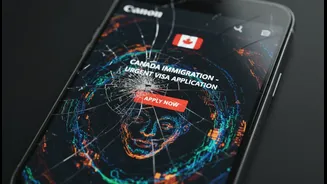
For countless Indians, a visa is a ticket to a new life, a better career, or a world-class education. Unfortunately, this high demand has created a thriving market for fraudsters. Recent years have seen a surge in scams, from fake job offers in Canada
to deceptive calls from individuals impersonating US embassy officials. These criminals are no longer just sending suspicious emails; they use advanced tactics like 'spoofing' to make their phone number appear as if it's from an official embassy, and they often have some of your personal data to make their stories sound more convincing. They create a sense of urgency and fear, threatening deportation or legal action to pressure victims into paying large sums of money. The consequences of falling for these schemes can be devastating, leading to significant financial loss and, in some cases, a permanent ban from entering the country if fraudulent documents are submitted.
Red Flags That a 'Request' Is a Scam
Protecting yourself starts with knowing what to look for. Fraudsters often rely on a predictable script. Be extremely cautious if you encounter any of the following. A promise of a 'guaranteed' visa is a major red flag; no legitimate agent or consultant can promise this, as the decision is solely up to the embassy or consulate. Be wary of unsolicited contact via WhatsApp, social media, or personal email addresses claiming to be from an official body. Another common tactic is a demand for large upfront payments, often in cash or to a personal bank account, before any real work has begun. Legitimate fees are paid through official channels during the application process. High-pressure tactics, such as being told you must pay immediately to secure a spot or avoid legal trouble, are designed to make you panic and bypass your better judgment. Lastly, if an offer seems too good to be true—like an extremely high salary for a low-skill job or a suspiciously low fee for services—it almost certainly is.
The Golden Rule: Verify, Then Trust
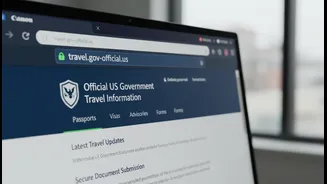
If you receive any communication that feels suspicious, the single most important action you can take is to verify it independently. This is where the headline's advice is crucial. Do not call back the number that contacted you or reply to the email you received. Instead, end the conversation. Then, find the official website for the embassy, consulate, or visa processing company (like VFS Global) through a search engine. Navigate to their 'Contact Us' page and find their publicly listed phone number and email address. Call this official number and ask them to confirm if the request you received is legitimate. Official bodies like the US and Indian Embassies have explicitly stated that they do not call applicants to ask for personal information or money over the phone. Any such requests are typically handled through official email addresses, which for Indian government bodies end in '@mea.gov.in'.
Choosing a Genuine Consultant
While many people navigate the visa process themselves, some prefer using a consultant. If you do, it's vital to verify their legitimacy. Start by checking if the consultant is a legally registered business with a physical office you can visit. Ask for their registration details and cross-reference them on official government portals. Reputable consultants will have transparent pricing and provide a written service agreement detailing all fees and services. They will not promise guaranteed results. It is wise to check online for independent reviews on Google and other platforms, not just testimonials on their own website. You can also ask for references from past clients whom you can contact directly to learn about their experience. Never make payments in cash without a receipt, and always ensure payments are made to a company account, not a personal one.
What to Do If You Suspect Fraud
If you believe you have been targeted by or have become a victim of visa fraud, it is important to report it. Do not feel ashamed; these scams are designed to be convincing. You can report suspected fraud directly to the respective embassy. US Embassies in India, for example, have dedicated email addresses for reporting fraud. You should also report the incident to your local police and the national cybercrime reporting portal. Providing as much detail as possible—such as the scammer's phone number, email, and any documents they sent—can help authorities in their investigations. By reporting the incident, you not only take a step toward seeking justice for yourself but also help protect others from falling for the same scam.