






What is FSSAI Proposing?
The food regulator has issued a draft amendment that would restrict products made from non-milk ingredients from being manufactured, marketed, or sold using the name 'paneer'. The proposal, published in late September 2026, would require any product currently
licensed as an 'Analogue in a Dairy Context' to drop the word 'paneer' from its name and packaging. The goal is straightforward: to prevent consumers from being misled about the composition of the product they are buying. FSSAI has invited suggestions from the public for a 60-day period before finalising the rule.
The Rise of 'Analogue Paneer'
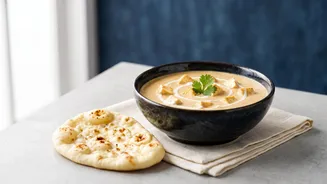
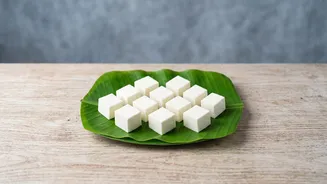
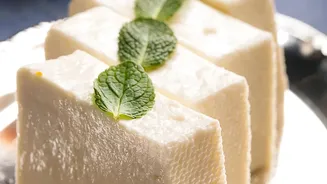
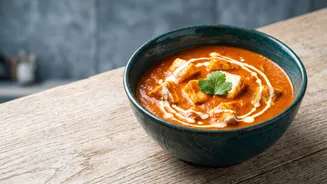
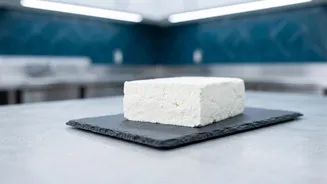
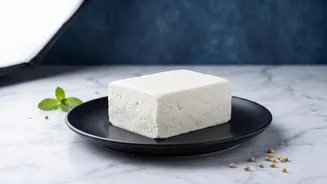
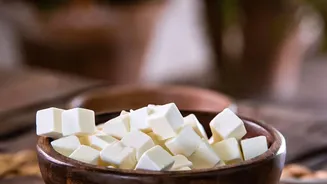
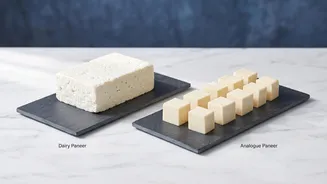
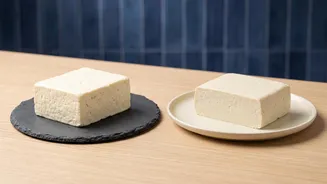
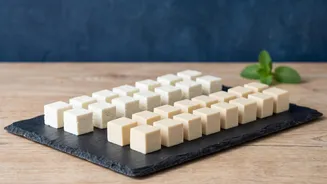
So, what exactly is this product at the center of the debate? 'Analogue paneer' is a food designed to look, feel, and cook like traditional paneer, but its core ingredients are different. Instead of being made purely from milk curdled with an acid, analogue versions substitute milk fat and protein with cheaper alternatives like vegetable oils (often palm oil), starches, and plant proteins. While a correctly labelled analogue product is not illegal, the problem arises when it is passed off as real paneer, a practice that has become increasingly common. This issue is not just about misleading consumers; it's also a nutritional concern, as these substitutes lack the protein and calcium expected from genuine dairy paneer.
Why Is This Happening Now?
The FSSAI's national proposal follows a series of actions taken at the state level. Several states, including Maharashtra, Gujarat, Karnataka, and Chhattisgarh, have already banned or restricted the sale of analogue paneer due to widespread quality issues. For instance, a surveillance exercise in Maharashtra found that over 35% of paneer samples failed quality tests, often due to adulteration with vegetable fat. Beyond simple substitution with vegetable oil, the market has also seen dangerous adulteration with substances like detergents, starch, and synthetic milk made from urea and other chemicals to cut costs. These practices pose serious health risks, from digestive problems to long-term organ damage.
What This Means for You
If the proposal is finalised, it will bring greater transparency to the market. You'll be able to trust that a product labelled 'paneer' is made from milk, as per FSSAI's definition. This is particularly important for vegetarians who rely on paneer as a primary source of protein. It will be harder for restaurants and shops to use cheaper, non-dairy alternatives without clearly stating so. For now, consumers can spot potential fakes by checking the ingredient list for vegetable oils or starch. Other signs of analogue or adulterated paneer can include a rubbery texture, a lack of crumbliness, and an unusually bright white colour.